


Specifying Affordable 1 2 x 12 wedge anchor bolt B2B Supplier for Wholesale and OEM Orders
Cost and durability pull in opposite directions once a 12-inch wedge anchor enters a concrete installation program. A lower unit price can lose its value if inconsistent diameter, thread fit, or expansion-clip assembly leads to installation delays, returns, or warranty claims. For a second-source review, compare the production route and inspection controls—not just the quoted price.
Construction Method and Its Effect on Consistency
Variation tends to show up where the stud, expansion clip, nut, and washer meet. A wedge anchor is typically built around a steel stud with a tapered expansion end and a separate clip; the thread, taper, and clip fit all affect how the assembly seats in a drilled hole. Thread rolling can provide consistent thread form when the blank and tooling are controlled. Material grade, heat treatment where specified, and coating choice also affect the final cost and intended service environment.
Before approving a second source, align the drawing and sample on the same measurement convention. Confirm whether the 12-inch dimension means overall length and verify the usable threaded length, taper geometry, nut and washer arrangement, and clip fit. A matching nominal size alone does not establish interchangeability.
Nominal diameter
1/2 inch
Nominal length
12 inches; confirm drawing datum
Assembly
Steel stud, expansion clip, nut and washer
Finish selection
Specify to the project environment
Drawing control matters: define the length datum, thread specification, steel and coating requirements, and included hardware before quoting. Otherwise, two samples marked “1/2 x 12” may not install or package alike.
Where This Product Beats Standard Alternatives
For fixture work in sound concrete, a wedge anchor can suit installations that call for a mechanical expansion anchor and a long stud. Its assembled stud, clip, nut, and washer provide a defined fastening set, while the extended length can accommodate a thicker fixture or the embedment arrangement specified by the project designer.
That advantage depends on correct hole diameter, hole depth, embedment, edge distance, and installation torque. A sleeve anchor or another fastening system may suit a different base material or installation condition better. Never translate the nominal anchor size into a load rating without the product data and substrate conditions for the intended application.
For a private-label line, the practical win is repeatability across replenishment orders: a consistent stud and clip fit reduces substitution issues and installer complaints. A finish selected for the actual exposure can also help limit corrosion-related claims; the trade-off is added coating cost and the need to protect the finish during bulk handling.
How to Choose Before Requesting a Quote
Quote comparisons become unreliable when buyers send only a size and target price. Provide a drawing or approved sample, the required steel and finish, thread details, included nut and washer, and the required packaging unit. If the anchor replaces an incumbent item, share the incumbent’s measurement points and any fit or installation complaints.
For a second-source qualification, request a pre-production sample and a documented inspection plan. Agree which dimensions will be checked, how coating appearance will be assessed, and how production lots will be identified. A small difference in unit price matters less if it brings repeated fit disputes, field returns, or sorting costs.
Assumptions Buyers Should Stop Making
A stated diameter and length do not guarantee equivalent fit. The length datum, usable thread, taper, clip dimensions, and supplied hardware can differ between sources. A finish name by itself also does not establish suitability for a particular exposure or prove that the coating will remain unmarred through transit and handling.
Do not treat a sample as proof of every production lot, or assume that a lower-cost finish will have the same corrosion performance as another coating. Ask what inspection records accompany the order, how material and lot identity are maintained, and what replacement process applies if a shipment misses the approved specification.
Requirements by Buyer Segment
Brand product managers typically need a locked drawing revision, a retained approval sample, and clear criteria for acceptable surface appearance. For private-label programs, packaging marks and product identification should match the approved artwork and remain legible through warehouse handling.
Importers should confirm carton quantities, gross and net weights, pallet arrangement, and shipment marks before production. Buyers qualifying a second source should also compare its lot traceability and nonconformance response with the incumbent process. Those controls help contain warranty and return costs when an issue affects only part of a shipment.
Where the program uses several finishes or hardware combinations, treat each configuration as a separate approved item. Mixing unapproved variants under one private-label description creates avoidable receiving and installation disputes.
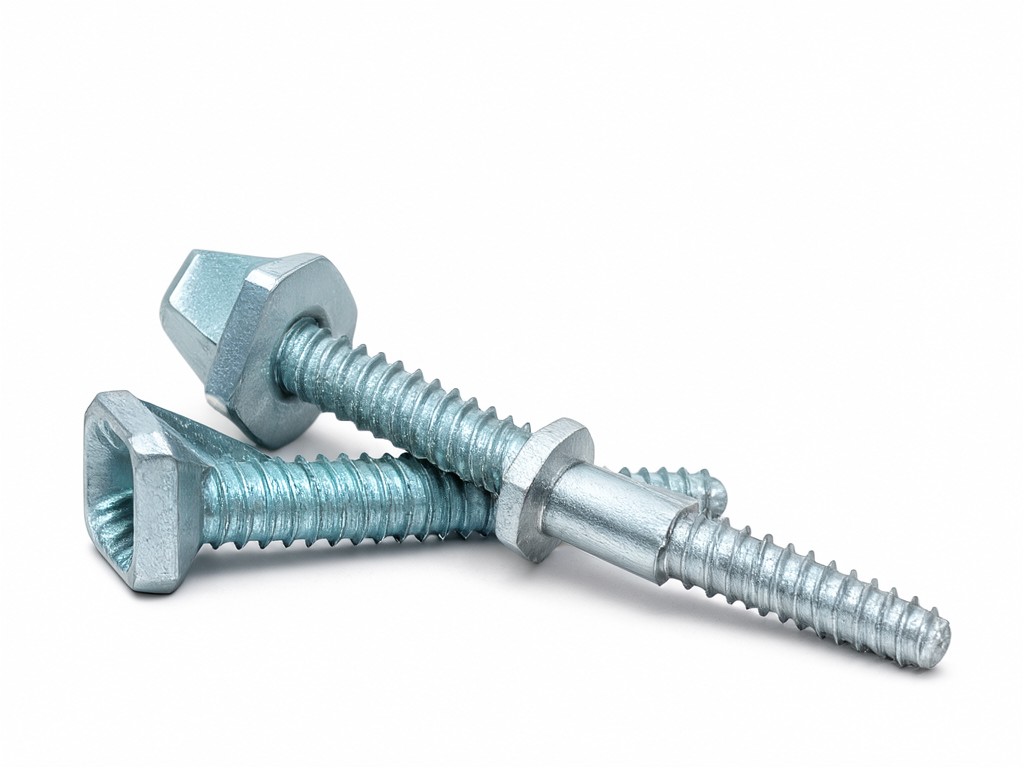
What Gets Checked Before Shipment
Inspection should follow the approved drawing and purchase specification, not a generic anchor checklist. Typical checks include stud diameter and length, thread condition and fit, taper and clip assembly, nut and washer inclusion, and visible coating defects. Sampling frequency and acceptance criteria should be agreed before the order enters production.
A controlled installation check in a defined concrete test setup can help verify assembly behaviour, but it does not establish a universal load capacity. If the purchase requires load or corrosion testing, specify the method, sample quantity, acceptance limits, and reporting format in the order documents. Keep the reports tied to identifiable production lots.
For OEM reorders, compare inspection records against the approved sample and drawing revision. That gives procurement a basis to investigate drift before small dimensional or finish changes turn into field complaints.
Packing, Marking and Freight Configuration
Long steel anchors can rub against one another in transit, which may damage a plated surface or leave cartons difficult to handle. Set the pack quantity and internal protection around the finish, shipment route, and receiving process. Confirm carton strength, pallet limits, and any export marks before the first production run.
| Item | Specification or confirmation point |
|---|---|
| Nominal size | 1/2-inch diameter x 12-inch length; confirm the length datum against the approved drawing. |
| Material and finish | Specify the steel grade and coating for the intended service conditions; confirm clip, nut, and washer materials as part of the assembly. |
| Unit weight | Confirm from the approved configuration and production sample; weight varies with material, finish, and supplied hardware. |
| Pack and marking | Agree units per inner pack and carton, product identification, lot mark, label artwork, and pallet configuration before shipment. |
Request the final carton dimensions and weights once the pack configuration is set. Those figures support freight planning and help the importer compare landed cost rather than unit price alone.
Ordering, Tooling and Lead-Time Questions
Tooling and production timing depend on the approved geometry, finish, order quantity, and availability of the specified steel and hardware. Existing standard tooling may reduce setup work, while a nonstandard thread, clip, or marking requirement can add development steps. Ask the supplier to separate sample timing from the production schedule and to identify the point at which drawing changes affect cost or delivery.
Can a sample confirm interchangeability?
A sample can confirm dimensions, included hardware, finish appearance, and fit in a defined installation setup. Approve it against a controlled drawing and retain a reference sample; field suitability still depends on the concrete condition and project requirements.
What affects the minimum order quantity?
MOQ can vary with steel sourcing, finish batch size, packaging, and any custom marking. Ask whether a smaller trial order can use standard packaging and existing production tooling before committing to private-label cartons.
What artwork is needed for OEM packaging?
Provide approved label files, product identification, carton marks, and any required lot-code format. Confirm print dimensions and placement on a proof before bulk packing; artwork changes after approval can affect the schedule.
For second-source qualification, send the incumbent drawing or a controlled sample with finish, hardware, and packaging requirements. Request a sample for review before release of a full OEM order.