


affordable stainless steel double end threaded studs company: What Buyers Should Check Before Ordering
When a brand extends an existing range of assembly hardware, a double end threaded stud can look like a simple line extension: threaded ends engage two mating parts, while the plain shank sets the spacing between them. The drawing still needs to define diameter, overall length, thread length at each end, shank length, material grade and end treatment. A small mismatch can prevent full engagement or leave the assembled joint proud of its intended position.
Moving from sample orders to container loads changes the cost calculation. A short run may use cut threads or frequent machine adjustments; repeat volume can spread setup and rolling-tool costs across more pieces. The lower unit price only helps if the second source holds the approved dimensions, thread fit and surface condition closely enough for your assembly process. Confirm the sample against the production drawing before scaling the order.
What This Product Is and Where It Fits
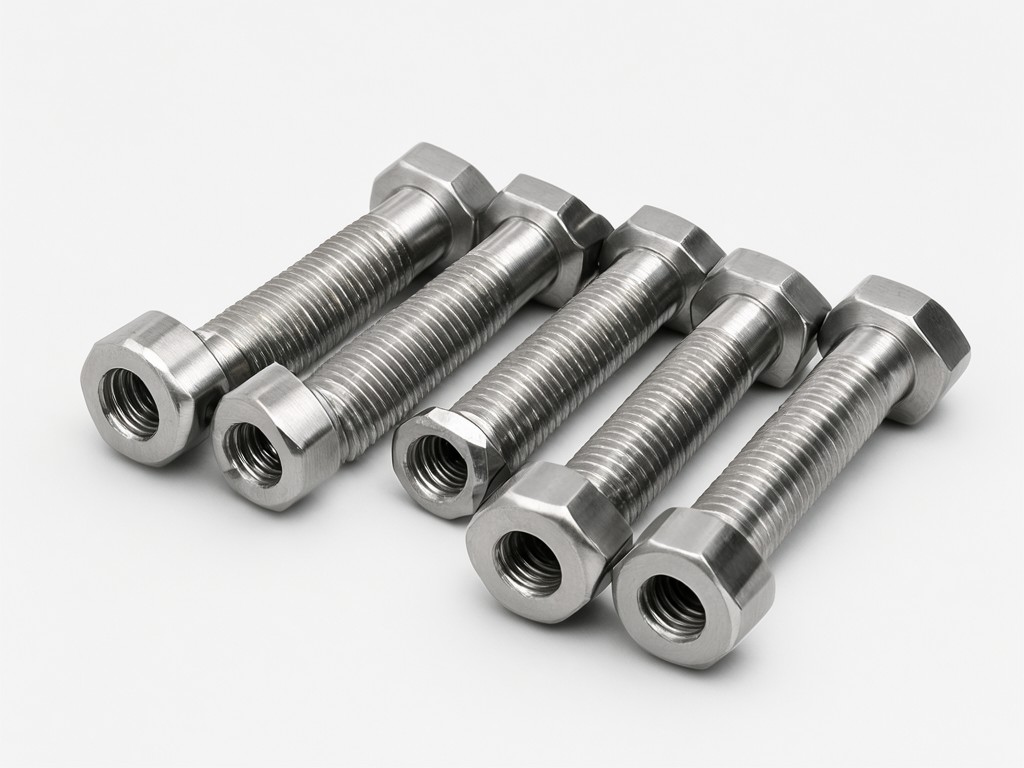
A double end threaded stud is a metal fastener with external threads at both ends and, in many designs, an unthreaded middle section. One end secures into a tapped hole or nut; the other connects a second component. Buyers use these studs in equipment, furniture fittings, fixtures and assemblies where a fixed stand-off or two-sided fastening point is required.
For stainless versions, material grade must match the moisture, cleaning chemicals and mating materials in service. A common grade may suit indoor assemblies, while a more corrosion-resistant option can raise material cost and affect availability. Thread rolling is a practical production route when the blank geometry, thread form and order volume suit the tooling; cut threads may make sense for short runs or less common configurations.
Where Cheaper Alternatives Fall Short
When a stud binds during hand assembly, the cause may be an inconsistent thread, a burr at the lead-in or a mismatch with the mating part—not simply an operator issue. Low-cost offers can also conceal a different stainless grade, loose control of thread length or a cut-thread process that leaves the joint with a different surface condition from the approved sample.
For buyers qualifying a second source, compare the part against the same drawing and mating components. A quote that omits the grade, thread tolerance or inspection basis is not a like-for-like comparison. Ask which dimensions are checked during production, which are checked at final inspection and how nonconforming pieces are kept out of the shipped lot.
Matching the Product to the Buyer's Need
During a private-label launch with a fixed ship date, lock the mating thread and installed depth before comparing unit prices. Those requirements affect blank preparation, rolling dies, setup checks and the time needed to approve a production sample. The inspection plan should reflect the failure that would stop assembly, not just dimensions that are easy to measure.
| Inspection point | Factory check | Buyer-defined acceptance basis |
|---|---|---|
| Overall length, shank length and thread lengths | Dimensional checks with suitable gauges or measuring tools | Approved drawing dimensions and agreed tolerances |
| Thread fit at both ends | Thread gauges, plus trial engagement with the specified mating part when agreed | Specified thread form, tolerance and assembly fit |
| Material and visible surface condition | Material documentation review where agreed, with visual checks for burrs, damage and contamination | Purchase specification and approved sample |
| Lot identity and quantity | Production records and shipment count reconciliation | Agreed batch identification and order quantity |
Assumptions Buyers Should Stop Making
If the sample threads into a nut, that alone does not prove both ends will fit every production mating part. Burrs, thread runout and differences in engagement length can change installation feel, especially in hand-assembled products. Check both ends against the actual components and confirm how far each end must engage.
A stainless appearance also does not identify the grade or establish suitability for every exposure. Record the required material in the purchase specification, and agree whether the buyer needs material documentation. Finally, a sample price is not a container-load price: larger quantities can reduce setup cost per piece, but only after tooling, raw material, inspection capacity and schedule are confirmed.
Customisation Options and Their Limits
For a repeat order, standard thread sizes and established blank dimensions usually offer the simplest route to a competitive unit price. Nonstandard thread lengths, unusual shank proportions or a special end profile can require separate setup or tooling. That cost is easier to justify when forecast volume supports repeat production; a one-off change can extend sampling and approval time.
| Order variable | Typical choice | Cost or lead-time consideration |
|---|---|---|
| Material grade | Buyer-specified stainless grade suited to the service environment | Grade affects raw material cost and sourcing time; confirm before sampling. |
| Thread and shank geometry | Standard configuration or drawing-specific lengths and proportions | Special dimensions may need dedicated setup, gauges or rolling dies. |
| Threading process | Rolled threads where geometry and volume suit; cut threads for some short-run or special parts | Rolling tooling has an upfront cost that can be spread over repeat volume. |
| End finish and surface treatment | Defined lead-in, deburring and any specified post-process treatment | Extra operations add handling and inspection steps; specify only what the assembly needs. |
Standard Configuration
A catalog-like dimension and common material specification can shorten approval work and limit tooling expense. This route suits buyers who can use an existing thread and shank arrangement without changing the mating design.
Drawing-Specific Configuration
A custom shank length or unequal thread lengths can solve an assembly constraint, but it adds drawing review and first-piece checks. Share the mating-part details early so the factory can confirm that the selected blank and process can hold the requested geometry.
Tooling decision: Before approving a custom thread-rolling die, compare its cost and setup time with forecast lifetime volume. Keep the drawing and sample approval tied to the same revision; a tooling change must not silently change the fit of the stud.
Usage Scenarios and Buyer Segments
- A retail buyer replenishing furniture assembly kits needs repeatable length and thread fit so the stud seats correctly with the supplied nuts and fittings.
- A private-label buyer launching a fixture or equipment line needs a controlled sample approval process before production quantities enter the supply plan.
- A distributor qualifying a second source needs drawing control, clear lot identification and a defined response path for dimensional or material discrepancies.
- An importer buying repeat volumes needs to weigh a lower unit cost against tooling amortisation, order size and the factory's production slot.
Segment-Specific Requirements
A retail program tends to be sensitive to assembly complaints and missing or mismatched parts. The buyer should settle thread fit with the actual included hardware and make the approved sample traceable to the drawing revision. A private-label launch may need different documentation and identification, but printed branding on the stud itself should be requested only when the geometry and order volume make it practical.
For a distributor or importer, second-source qualification is strongest when both factories quote to the same material and inspection requirements. Set the review points before the first production release: material evidence where required, dimensional checks, thread-gauge method, lot records and the process for resolving a failed inspection. This makes price comparisons useful without assuming the factories use identical equipment.
How Consistency Is Held Across Batches
Repeatability starts with a controlled drawing, material identification and setup record. During production, the factory can check critical dimensions and thread fit at agreed intervals; final inspection can then verify the lot against the same acceptance basis. For rolled threads, setup condition and blank dimensions matter. For cut threads, tool condition and deburring need attention. Neither process removes the need to confirm the finished part.
Order volume affects more than piece price. A larger, repeatable schedule can support dedicated tooling and planned production runs, while a small trial may carry more setup cost per stud and depend on available capacity. Agree the sample approval point, forecast, order quantity and inspection records before the production release so the second source can be assessed against the same requirements as the incumbent.
To qualify a sample, send the drawing revision, required material grade, intended mating components and target order volume with your sample request. That gives the factory enough information to review process fit, tooling needs and a realistic production lead-time estimate before quoting.