


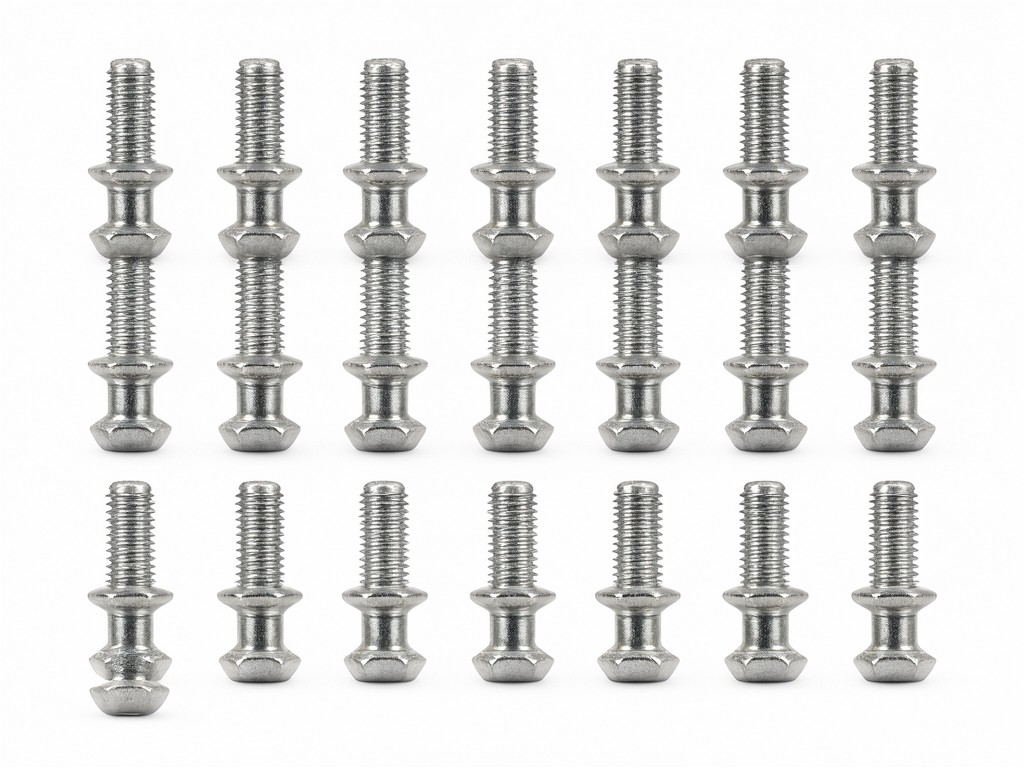
b2b socket head countersunk bolts distributor: Specification, Ordering and Quality Notes
The build method decides whether a countersunk head seats flush and whether the socket remains usable after installation torque. Cold heading and rolled threads suit repeat production; unusual head geometry, short runs, or special dimensions may require more machining and raise unit cost. Qualify a second source against the same drawing, material, finish, and approved sample before comparing price.
Specification Range and Customisation Limits
Countersunk socket bolts are commonly sourced in metric sizes from about M3 to M12, with other sizes subject to supplier tooling and order volume. Agree the head angle, head diameter, socket dimensions, thread pitch, and length datum on the controlled drawing; countersunk length is normally specified overall, but the drawing should remove any ambiguity.
| Assembly Condition | Complaint to Prevent | Specification to Approve |
|---|---|---|
| Flush seating in a countersunk plate or bracket | Head sits proud, rocks, or bears on only part of the seat | Head angle and diameter, mating-seat detail, and a first-article fit check against the customer drawing |
| Thread engagement in a tapped component or nut | Cross-threading, excess play, or insufficient engagement | Nominal diameter, pitch, thread direction, and usable thread length; common metric sizes include M3–M12, subject to drawing and source capability |
| Tight-access installation with a hex key | Socket rounds or the tool cannot reach full depth | Socket size and depth, recess condition, and agreed installation torque or assembly method |
| Outdoor, washdown, or humid service | Corrosion, finish damage, or difficult removal during maintenance | Base material and finish selected for the exposure; approve appearance and any required corrosion-test method before production |
| Repeat assembly across multiple production lots | Parts from a reorder differ in fit, coating, or marking | Drawing revision, dimensional tolerances, finish callout, sample approval record, and batch identification |
Set the inspection datums before requesting quotations. For a countersunk fastener, checking overall length without confirming the head profile and seating surface can leave a fit issue undiscovered until assembly.
Requirements by Buyer Segment
Procurement officers qualifying a second source should compare the same revision and inspection scope, not just the quoted size and finish. OEM buyers usually need a first-article sample fitted to the mating part, plus documented approval of dimensions, material, and coating. Retail buyers and distributors also need consistent pack quantities, clear size identification, and lot traceability so mixed stock does not reach customers as a single specification.
First-article tooling determines how quickly a custom head or socket feature can be confirmed. A standard configuration can reduce setup cost and lead time; a non-standard profile may require tooling or machining trials, with sample approval scheduled before the production slot is fixed.
| Material and Finish Route | Buyer Trade-Off | Approval Point |
|---|---|---|
| Alloy steel with a specified protective finish | Often suits cost-sensitive indoor assemblies; finish adds process cost and can affect dimensions at coated surfaces. | Confirm coating type, colour or appearance, corrosion exposure, and any dimensional allowance required. |
| Stainless steel, with finish as specified | Can suit damp or exposed service, but material grade and galling behaviour need consideration in the mating assembly. | Approve the exact material grade, mating material, installation method, and sample appearance; do not rely on a generic “stainless” description. |
| Plain or black-oxide finish, where suitable for the application | May suit controlled indoor use or a specified appearance; it does not replace an agreed corrosion-protection requirement. | Check the actual service environment and approve the finish sample before release. |
Export Packaging and Handling Protection
Process choice shows up later as coating rub, mixed sizes, or damaged socket recesses if bulk parts move loose in an oversized carton. Specify inner-pack quantity, protective separation where the finish is prone to contact marks, carton labelling, and lot identification on the purchase order. For distributor stock, request pack labels that show the part number, size, finish, quantity, and batch reference.
Before shipment, align carton count and label format with the receiving warehouse. If a customer requires a particular export mark, barcode, or private-label pack, submit the artwork or label data for written approval; late artwork changes can affect packing release even when the fasteners are complete.
Care, Storage and Service Life
Store fasteners in closed, dry packaging and keep different materials and finishes separated. Moisture trapped in cartons can mark some finishes; open packs should be resealed rather than left beside washdown or chemical-handling areas.
- Use the specified hex-key size and an installation method that matches the material and joint; an undersized or worn tool can damage the socket before the joint reaches its intended clamp condition.
- For repeated service, inspect the recess, head seating area, thread flanks, and finish for deformation or corrosion before reuse.
- Replace fasteners with damaged sockets, distorted threads, or coating loss that exposes the base material in a corrosive environment.
Service life depends on joint load, installation practice, exposure, and the selected material. Set replacement criteria around the assembly’s inspection plan rather than assuming a fastener is reusable after removal.
Questions Buyers Ask Before Ordering
What should be included in a second-source drawing package?
Include the controlled part drawing and revision, material grade, finish, thread details, dimensional tolerances, inspection requirements, pack quantity, and any marking or traceability rules. Provide a mating component or seating detail when flush fit is a critical acceptance point.
Can a sample be approved before a production order?
Yes. Agree whether the sample is for fit, finish, or dimensional approval, and record the accepted revision and inspection criteria. A sample made with temporary machining may confirm geometry but may not represent the final production route or coating.
Which details affect MOQ and lead time most?
Non-standard head or socket geometry, special material, finish requirements, and custom packaging can add setup or approval steps. Ask the distributor to separate sample timing, tooling or setup charges, production lead time, and any MOQ tied to the finish or pack configuration.
How should a corrosion test be specified?
State the agreed test method, exposure duration, sample condition, and pass or failure criteria in the order documents. The required test should match the service environment and finish rather than being added as an undefined request after quotation.
Review the quotation against the approved specification. Send the drawing revision, target quantity, material and finish, inspection needs, sample approval plan, and packaging details so the offer can be checked on equal terms with your current source.
Request a quotation review for your socket head countersunk bolt requirements.