


Bespoke binder u bolt top maker - Bulk Supply and Specification Guide
Fatigue appears at the stress concentration, usually where a U-shaped binder top turns into its legs or meets its mounting feature. A small change in bend radius, wire or strip thickness, or leg spacing can affect fit and operating life. The drawing and mating hardware should set the decision rule before a production specification is fixed.
Scope of Supply and Physical Form
Supply is focused on a custom-formed U-shaped metal top component for binder assemblies, made to the buyer’s existing interface rather than redesigned as a new mechanism. The form may use round wire or formed strip, with leg ends, mounting features and crown geometry matched to the approved drawing or sample.
- Production can combine wire forming or stamping with drilling, trimming and deburring where the part design requires them.
- Leg spacing, overall height, crown radius and mounting pitch govern fit against the mating binder parts.
- Carbon steel is a common starting point; stainless steel or a specified plated finish can be considered when the service environment requires it.
A physical sample helps resolve details that a flat drawing may omit, including springback, assembly clearance and contact points. Production follows the signed-off geometry and finish sample.
What Actually Determines Performance
Weight and stiffness trade off against each other. A thicker section can resist deformation, but it also raises part weight and forming load; a tighter bend can help retain a compact profile while increasing stress at the bend root. The right specification depends on the mating assembly and the way users operate the binder.
Set critical dimensions from the assembly interface, then control material thickness or wire diameter, bend geometry and finish as a linked set. Changing one without checking the others can shift fit, springback and fatigue behaviour across the lot.
Use and Packing Controls
| Use or Handling Condition | Complaint Seen | Specification and Pack Control |
|---|---|---|
| Repeated opening, closing or flexing in service | Legs spread, bend roots crack, or the top no longer seats consistently. | Lock the section size, bend radius and leg geometry to an approved sample; confirm the intended operating range before release. |
| Assembly across multiple production lots | Variable fit creates assembly delays, returns or inconsistent finished binders. | Record key dimensions and part weight against the approved reference; identify each production lot on the inner pack and carton. |
| Long-distance export and warehouse storage | Parts arrive scratched, tangled or with finish damage. | Use separators or controlled bundle packing to limit metal-to-metal contact; confirm carton quantity, labelling and moisture protection with the buyer. |
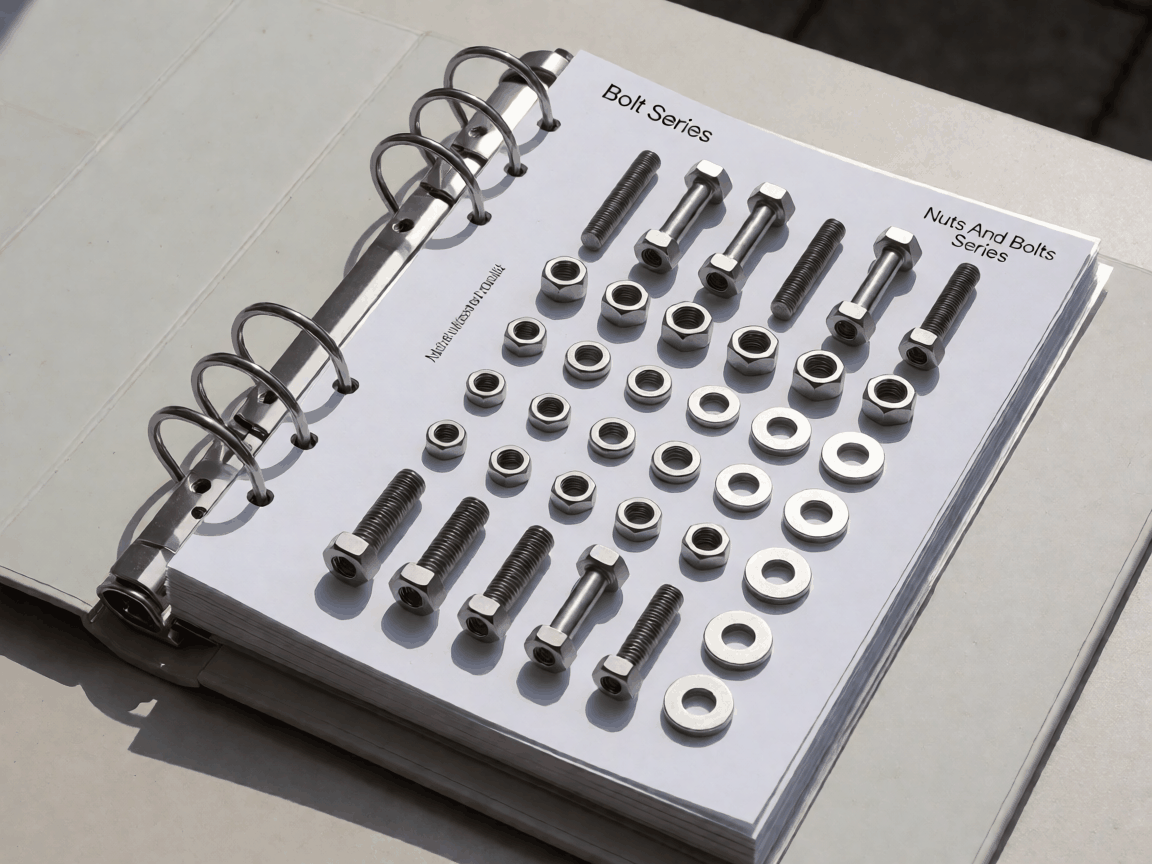
Small lot-to-lot shifts in leg spacing or coating appearance can become visible after assembly, even when individual parts remain usable. Agreeing which dimensions and finish characteristics are critical reduces avoidable sorting and reorder disputes.
What Can Be Customised and What Cannot
Customisation works best around the buyer’s existing binder interface. Dimensions, section size, end treatment and finish can be specified, but a change that affects the mating part or bend behaviour requires a new fit check.
Set to the Existing Assembly
Leg spacing, overall height, bend profile, mounting details and finish can follow a supplied drawing or reference sample. Private-label packaging and part identification can also be agreed for repeat orders.
Keep the Fit Conditions Fixed
A new section thickness, material grade or coating can change springback, clearance or finished dimensions. If the binder’s mating parts are unchanged, retain their interface dimensions and validate any requested change against an assembled sample.
Working as a Production Partner, Not a Catalogue Supplier
A catalogue part may be close in appearance but still differ at the leg pitch, crown shape or mounting interface. For a private-label buyer, that gap can mean assembly changes, mixed visual presentation and returns that outweigh the saving on the component.
The production file should capture the approved drawing revision, material and finish, critical-to-fit dimensions, reference sample and packing method. Those controls give repeat orders a defined target instead of relying on a previous lot as an informal template.
A sample review before bulk release is the point to confirm fit with the buyer’s unchanged binder components and settle any permissible dimensional variation. Artwork or branding instructions should distinguish the product marking from carton and inner-pack labels.
What Gets Checked Before Shipment
Inspection starts with the dimensions that determine assembly: overall height, leg spacing, crown profile and mounting features. The approved drawing defines the acceptance limits; the first production pieces are checked against it before routine lot sampling.
- Part weight and section size are monitored for drift that may signal a material or forming change.
- Visual checks cover burrs, cracks at formed areas, scratches and uneven coating or colour.
- Fit checks use the agreed mating parts or a controlled assembly gauge; any operation-cycle check is set from the buyer’s actual use requirement.
- Pack count, lot identification and carton condition are confirmed against the agreed shipment instructions.
For repeat supply, retaining the approved reference and recording inspection results by lot makes dimensional or finish drift easier to trace before it reaches the buyer’s assembly line.
Discuss Your Existing Specification
Send the current drawing or a physical sample, the mating-part details, finish requirements and target order quantity. A project discussion can establish the fit checks, sample approval points and packing instructions before bulk production.
Discuss a bespoke binder U-bolt top project