


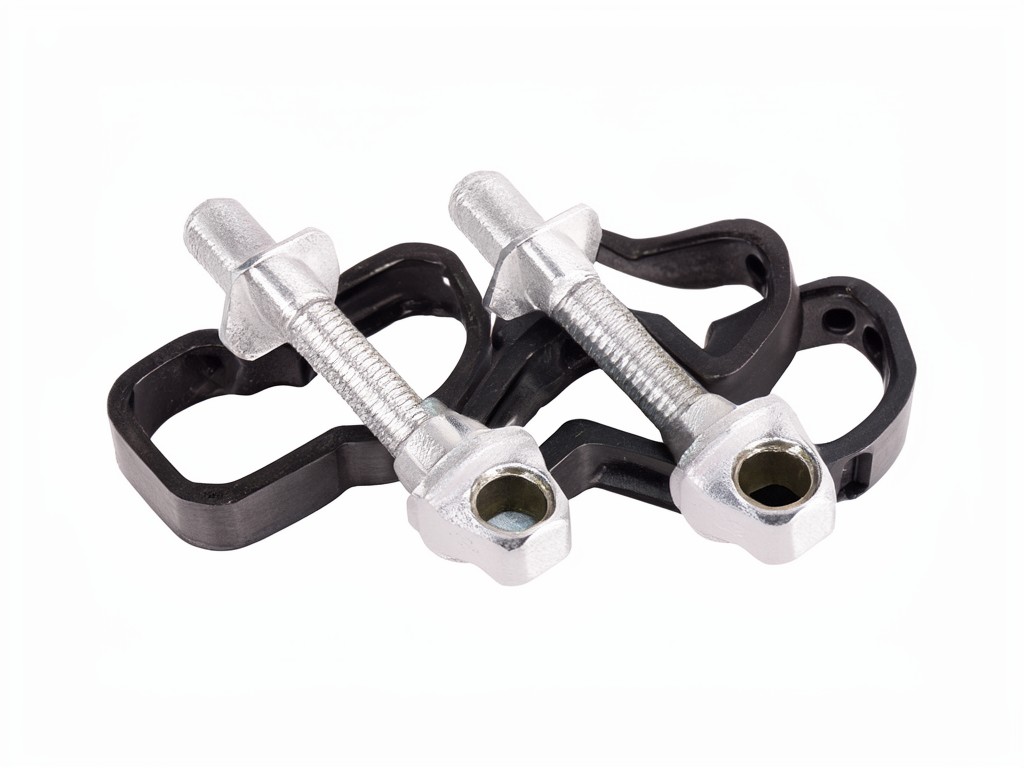
Specifying Bespoke u bolt crossover clamps vendor for Wholesale and OEM Orders
What This Product Is and Where It Fits
Where two pipes or tubes cross and need a mechanical hold, a U-bolt crossover clamp secures the intersecting members with a formed U-bolt and a shaped saddle or cross plate. Buyers typically specify these for equipment assemblies, frames, and pipe-support systems where the joint must stay aligned under vibration and routine service loads.
Repeat-order complaints often trace back to fit rather than appearance: a U-bolt radius that does not match the tube, plate geometry that lets the crossing member shift, or thread length that leaves too little engagement after assembly. The drawing should define both member diameters, crossing angle, clamp orientation, plate profile, and the required fastener arrangement.
How It Performs in Use
| Service condition | Likely complaint | Specification response |
|---|---|---|
| Repeated vibration or changing load | Joint loosening or movement at the crossing | Set the clamp geometry and tightening method for the actual tube sizes and service conditions; do not assume a clamp alone prevents loosening. |
| Outdoor moisture or washdown exposure | Red rust at threads, plate edges, or contact points | Choose the base metal and finish for the exposure; specify finish coverage on formed bends, cut edges, and threads. |
| Frequent disassembly or adjustment | Damaged threads or inconsistent nut travel | State thread form, usable thread length, nut type, and any limits on coating buildup. |
Clamp performance depends on contact geometry and assembly practice as much as rod diameter. If the saddle bears on a narrow point rather than the intended surface, tightening can mark the tube and still leave room for slip. Confirm the mating tube profile and the intended load direction before locking the production drawing.
Construction Method and Its Effect on Consistency
Consistency is set at the forming stage. First-article tooling determines the U-bolt inside width, leg parallelism, and bend radius; those features control whether the clamp drops over the mating tube without forced spreading or excess clearance.
A typical fabrication route forms round steel bar or rod around a dedicated mandrel, cuts or rolls the end threads to the drawing, then fabricates the crossover saddle from plate or strip. The plate may be punched, laser cut, or press formed to suit its profile and production volume. A dedicated forming tool costs more to establish, but it reduces variation in bend position across repeat lots.
First-article approval should capture the dimensions that affect assembly, not just the overall length. Use the approved drawing as the acceptance reference for the checks below; tolerances and sampling frequency should be agreed for the specific part and order.
| Inspection point | Factory check | Acceptance basis |
|---|---|---|
| U-bolt inside width and bend radius | Dimensional check against the approved drawing or checking fixture | Drawing dimensions and agreed tolerances |
| Leg spacing and thread condition | Parallelism check and sample nut fit | Fit and engagement defined by the drawing and fastener specification |
| Saddle profile and hole position | Profile gauge or dimensional inspection | Approved part drawing and mating-part fit |
| Finish coverage and visible damage | Visual review after finishing and handling | Buyer-approved finish description and appearance sample |
Buying Mistakes That Lead to Returns
- Ordering from nominal tube size alone can leave the U-bolt too tight or too loose. Share the actual outside diameters, wall or coating allowance where relevant, and crossing orientation.
- A thread callout without usable thread length can leave insufficient nut engagement after the saddle and washers are in place. Show the assembled stack or give the required projection.
- Choosing a finish by colour alone can cause early corrosion at bends, edges, or threads. Name the base material and exposure conditions, then approve the finish description and coverage.
- Changing the saddle profile after sample approval can alter bearing contact and alignment. Treat a geometry change as a drawing revision and recheck fit before a repeat run.
- Mixing U-bolts, plates, and nuts from separate untracked lots makes an assembly complaint hard to trace. Keep the part revision and batch identification linked through packing records.
Requirements by Buyer Segment
Private-Label Buyers
For a branded catalogue part, define the approved drawing revision, finish description, pack quantity, and label data before sampling. A small change in leg spacing or plate profile can create a visible mismatch between a retained sample and a later shipment.
Ask for a sealed or otherwise controlled reference sample when appearance and fit both matter. Keep packaging identification tied to the part code and production batch.
Procurement Officers
For repeat supply, lock the material, thread details, finish, tolerances, and included hardware in the purchase specification. If substitutions are permitted, list them for approval rather than leaving material or finish choice open at reorder.
Compare quoted costs against tooling, finishing, and packaging scope. A lower unit price can be offset by setup charges or by extra incoming checks when the acceptance basis is unclear.
Volume Planning and Lead Time
Process choice shows up later as repeatability and setup cost. A low-volume order may suit flexible fabrication with simple forming fixtures; recurring demand can justify dedicated tooling that holds the U-bolt bend and plate profile more consistently. The right break point depends on part size, forming steps, finish route, and forecast stability.
Lead time should be planned from drawing approval, material availability, tooling status, sample sign-off, and finishing capacity—not from production time alone. Share the expected annual demand and release pattern so the vendor can quote setup separately from repeat batches. For export orders, confirm carton quantity, rust protection, part separation, and label requirements before the first shipment.
- Forecast quantities by release, plus any seasonal or project-driven peaks.
- Identify which dimensions and finish details cannot change between reorders.
- Allow time for a fit sample when the clamp interfaces with a customer-owned tube or frame.
Ordering, Tooling and Lead-Time Questions
What information is needed to quote a bespoke clamp?
Send a dimensioned drawing or sample, both mating-member outside diameters, crossing angle, material and finish preference, thread and nut requirements, order quantity, and packing details. Note any dimensions that must remain unchanged for interchangeability with installed equipment.
When does dedicated forming tooling make sense?
Dedicated tooling is worth reviewing when recurring volume or tight fit requirements make manual setup variation costly. It adds initial tooling cost and approval time, so compare that expense with the cost of inspection, assembly adjustment, and returns across expected repeat orders.
Can an approved sample be used for repeat orders?
Yes, as a fit and appearance reference alongside a controlled drawing revision. A sample alone may not define hidden dimensions, thread details, or permitted tolerances, so record those in the specification before production release.
How should finish and packaging be confirmed?
Specify the finish by material and process description, then agree on the appearance sample and handling requirements. Confirm whether nuts are packed assembled or separately, how parts are protected from abrasion and moisture in transit, and what batch or carton information must appear on the label.
Review the tooling before the first release. Send the drawing, mating-part details, expected volume, and target finish for a tooling and fit review. Agree on the first-article dimensions and repeat-order controls before production begins.
Request a tooling review for your bespoke U-bolt crossover clamp specification.