


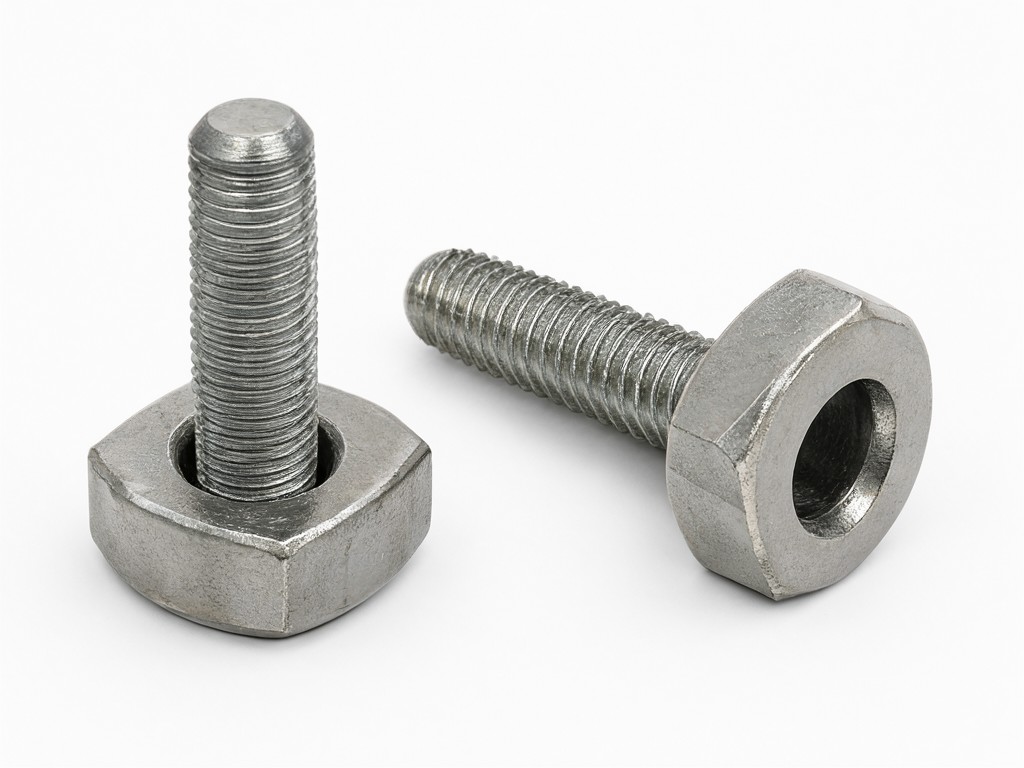
Bulk 1 2 20 double ended stud bolt Factory Sale: What Buyers Should Check Before Ordering
How It Performs in Use
Consistency is set at the forming stage: blank length, end alignment and thread geometry determine whether the stud starts cleanly in the tapped component and accepts a nut at the exposed end. The designation is commonly read as 1/2-inch nominal diameter with 20 threads per inch; confirm the thread form, class, engagement lengths and overall length against the approved drawing before production.
A practical route is to cut the blank to the agreed length, prepare the ends, and roll the threads where the material and geometry allow. Material grade, heat-treatment requirements and finish affect the route, so the factory should record the agreed sequence on the order specification rather than rely on a product name alone.
| Specification point | Order basis to approve | Factory check |
|---|---|---|
| Thread | 1/2-20 designation; confirm thread form, tolerance class and threaded lengths on the drawing. | Thread gauges and sample fit check against the mating part. |
| Length and ends | Overall length, end-to-end thread lengths, chamfer and any plain shank dimensions. | Dimensional inspection, straightness check and visual review. |
| Material and finish | Specify grade and coating or finish, including any limits on coating build at the threads. | Material and finish records, plus coating checks where applicable. |
Thread fit can change after coating. Approve a finished sample with the intended mating nut or tapped component; a drawing-only approval may not catch a fit issue caused by the selected finish.
Where This Product Beats Standard Alternatives
Where a joint needs one end to seat in a tapped housing and the other to take a nut, a double ended stud separates those two fastening interfaces. That can make assembly easier than a hex bolt where tool access is restricted or where the component must remain installed while a removable part is serviced.
The trade-off is specification sensitivity: unlike a general threaded rod cut to length at the job site, a production stud depends on controlled overall length, thread runout and end preparation. Choose it when repeatable engagement and a defined installed position matter; use a less specific fastener only where those dimensions do not affect assembly or service.
Who Uses It and Where It Matters
OEM maintenance teams and wholesale fastener buyers use double ended studs in equipment assemblies, fixtures and serviceable housings where one end stays anchored and the opposite end is released during inspection or replacement. Before a volume order, compare the working condition with the failure mode that has caused returns or line stoppages.
| Assembly condition | Complaint seen at service | Specification that controls it |
|---|---|---|
| Repeated removal of a nut during maintenance | Nut binds, cross-threads or damages the exposed end. | Thread class, end chamfer, finish build and approved sample fit. |
| Stud installed in a tapped component with limited engagement depth | Stud bottoms out early or leaves too little thread for the nut. | Separate threaded lengths, overall length and installation depth shown on the drawing. |
| Exposure to moisture or process chemicals | Corrosion or finish wear affects removal and replacement. | Material and finish selected for the actual exposure; confirm compatibility before release. |
Volume Planning and Lead Time
First-article tooling determines how quickly production can move, but the approved specification determines whether the resulting batch matches the assembly. A complete drawing should state the thread details, overall and threaded lengths, material, finish, dimensional tolerances, inspection points and packaging method.
- Submit the drawing and mating-component requirements before requesting a firm production schedule.
- Review a first article or production sample for dimensions, thread engagement and finished surface condition.
- Release bulk production only after written approval of the sample and specification revision.
- Confirm lead time against order quantity, material availability, heat-treatment needs and finish capacity; those factors can change the dispatch date.
Keeping Repeat Orders Supplied
A repeat order is easiest to control when the approved drawing revision, material description, finish and inspection record travel with the purchase order. If the original batch used customer-supplied samples, retain an identified reference sample or record its measured dimensions; do not use an untracked sample as the sole production definition.
Stock availability depends on the exact grade, blank dimensions and finish, so do not treat a similar-looking stud as an approved substitute. For scheduled demand, agree a forecast or call-off plan with the factory and verify each release quantity and revision before dispatch.
For warranty control, keep batch identification linked to the order specification and inspection records. That makes it possible to separate a material or process issue from a change in the mating component or installation method.
Export Packaging and Handling Protection
Threads can suffer impact damage when bulk studs move freely inside a carton. Specify separators, compartmented packs or another agreed protection method if the ends must arrive free of dents and handling marks; match the pack size to the buyer’s receiving and line-side handling needs.
For export orders, confirm corrosion protection, carton strength, inner-pack quantity, outer-carton labels and any lot or purchase-order identifiers before packing approval. A coating choice does not replace moisture control during storage or transit.
Care, Storage and Service Life
Keep boxed studs dry and separated from abrasive parts; contact between loose threaded ends can mark crests and compromise nut engagement. Store by size, finish and batch, then inspect opened cartons for moisture or damaged threads before issuing stock to assembly.
Service life depends on the applied load, joint design, environment and installation practice, not the fastener alone. Follow the equipment designer’s installation and replacement instructions, and replace studs with damaged threads, corrosion that affects fit, or visible deformation rather than forcing a nut onto the part.
Send the drawing, target quantity, material and finish requirements for a quotation review. The factory can confirm open specification points, sample approval steps, production timing and export packing before the order is released. Request a quotation review.