


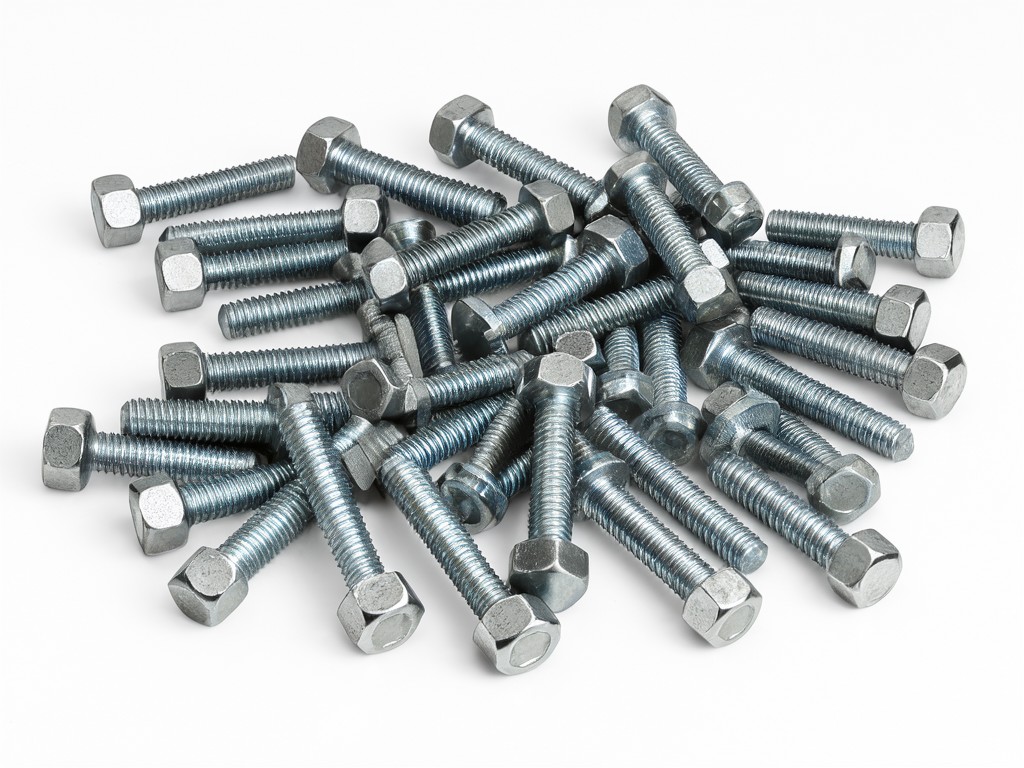
Specifying bulk 14 inch long hex head bolts china factory for Wholesale and OEM Orders
Cost and durability pull in opposite directions once the bolt’s base metal, protective finish and service environment are set. For a 14-inch hex head bolt, agree the steel grade and coating against the actual load, mating hardware and exposure before comparing unit prices; length alone does not define load capacity or corrosion life.
Design Constraints Behind the Specification
At this length, buyers should define the bolt from a controlled drawing rather than a name or catalogue description. Confirm the nominal length measurement point, diameter, thread pitch, thread length, head dimensions, point style and any unthreaded shank requirement. For hex bolts, length is commonly specified from beneath the head to the end, but the purchase drawing must govern.
The production route also affects what can be held consistently. A hot-forged head formed on steel bar stock suits a range of long-bolt configurations; the shank and thread are then made to the agreed drawing. Thread rolling is an option where the material and geometry permit it, while cut threads may be needed for some configurations. Lock the route, grade, and thread form before sample approval, since a change can affect fit, strength requirements, price, and repeat-order matching.
Specify mechanical properties through the grade or named specification required by the assembly. A higher material or strength requirement can increase material and processing cost; it does not correct a mismatch in diameter, engagement length, or the nut and washer selection.
Measured Performance in Real Use
Fit and service performance depend on the dimensions that meet the mating parts, not the nominal 14-inch length by itself. A thread-pitch mismatch can cause poor engagement; insufficient thread length can leave too little nut engagement, while excess thread can interfere with the assembled joint.
Joint Fit
Use the drawing and approved sample to control length, straightness, thread form and head dimensions. For long shanks, agree the straightness requirement with the assembly method and support conditions; a bolt that arrives bent can be difficult to install and can create avoidable returns.
Load and Corrosion
The specified grade, joint design and tightening method determine whether the bolt suits the applied load. The finish must match the exposure and the mating nut. Coating buildup can change thread fit, so approve the bolt and nut combination together rather than sourcing each by nominal size alone.
Customisation Options and Their Limits
Set the base specification first, then choose material and finish against the service environment. Use this selection path before requesting a production quotation:
- Start with the assembly drawing: specify diameter, pitch, length datum, thread length, head dimensions and point style. If any dimension is missing, resolve it before the factory prepares a sample.
- If the bolt sees a defined load, identify the required material grade or governing specification and confirm the nut and washer requirements.
- If corrosion exposure is the main concern, select a compatible finish or stainless material, then confirm thread fit and mating hardware.
- Choose the finish and appearance using the table below. Colour expectations should be approved against a physical sample where appearance matters.
- Approve the final drawing revision, sample dimensions, finish, marking and export pack before releasing the repeat order.
| Finish Option | Typical Appearance | Specification Point to Approve |
|---|---|---|
| Plain or oil-treated steel | Uncoated metallic surface; appearance can vary by handling and oil residue. | Define storage and corrosion expectations. This option avoids coating buildup on threads but offers limited protection in exposed service. |
| Zinc-plated steel | Usually silver-toned; passivation can change the shade. | Agree the coating and passivation requirements, colour reference and thread-fit allowance with the factory. |
| Hot-dip galvanized steel | Typically grey to silver, with surface texture that can vary. | Confirm coating requirements and compatible nuts; coating thickness can affect thread clearance and assembly. |
| Stainless steel | Natural metallic finish; no decorative colour is implied. | Name the required stainless grade and review load, galling risk and mating hardware before approving the substitution for coated carbon steel. |
Custom head markings, special head dimensions and non-standard thread lengths may require setup changes or dedicated tooling. Those options can raise minimum order quantities and extend sample approval; keep the first order close to standard dimensions when the assembly allows it.
Usage Scenarios and Buyer Segments
Equipment and Structural Assemblers
Assemblers using long bolts through thick sections need controlled grip length, thread engagement and shank straightness. Their buyers should approve the bolt with the actual mating nut and washers, since a dimensional mismatch can stall installation or leave the joint short of its intended engagement.
Fastener Distributors and Importers
Wholesale buyers need repeatable identification across replenishment orders. Keep the drawing revision, material grade, finish, packing count and label description aligned; a visually similar bolt with a different pitch or coating is not an interchangeable reorder.
OEM Product Managers
For private-label or branded supply, settle packaging artwork and product identification after the technical sample is approved. Long bolts need pack support that limits movement and bending in transit; agree bundle or carton configuration, quantity per pack and any corrosion-protection materials before production release.
Segment-Specific Requirements
A repeat order is only comparable when the approved drawing, sample and purchase description point to the same configuration. Record the revision and retain the approved sample reference; do not rely on a previous invoice as the complete specification.
Wholesale buyers should state acceptable dimensional tolerances, packaging quantities and traceability fields before quotation. OEM product managers should also confirm logo or head-marking artwork, label language and carton identification. If a customer drawing cites a named mechanical or dimensional specification, provide the applicable document and revision rather than asking the factory to infer it from the bolt length.
A sample approval should capture the details most likely to drive warranty claims: measured length datum, diameter and pitch, thread length, head geometry, material identification, finish appearance and pack method. Any later substitution in steel source, forming route or coating needs buyer review before the next production lot.
Ordering, Tooling and Lead-Time Questions
Which drawing details should be fixed before a sample?
Send the diameter, thread pitch and length datum, thread length, head dimensions, point style, material or grade, finish and any marking. Include a mating-part drawing or sample if thread clearance or assembly space is sensitive. Mark tolerances on the drawing instead of relying on notes in a purchase email.
When can the factory quote MOQ and lead time?
A usable quotation needs the full configuration and target quantity. MOQ and timing depend on material availability, forming and thread setup, finish-batch scheduling, sample approval and packaging requirements. Non-standard head tooling or a custom marking can add setup work; confirm those costs separately from the per-piece price.
How should artwork and repeat-order approval be handled?
Approve the final drawing revision and physical sample first, then sign off marking artwork, colour reference, label content and export-pack layout. Keep those approvals tied to the purchase specification so the next lot does not inherit an outdated drawing or packaging file.
Request a Specification Review
Send the drawing, target quantity, finish requirement and packing details for a review before production. The factory can confirm open dimensions, sample approval points and any tooling or lead-time factors that affect the repeat order.
Submit your bolt specification for review