


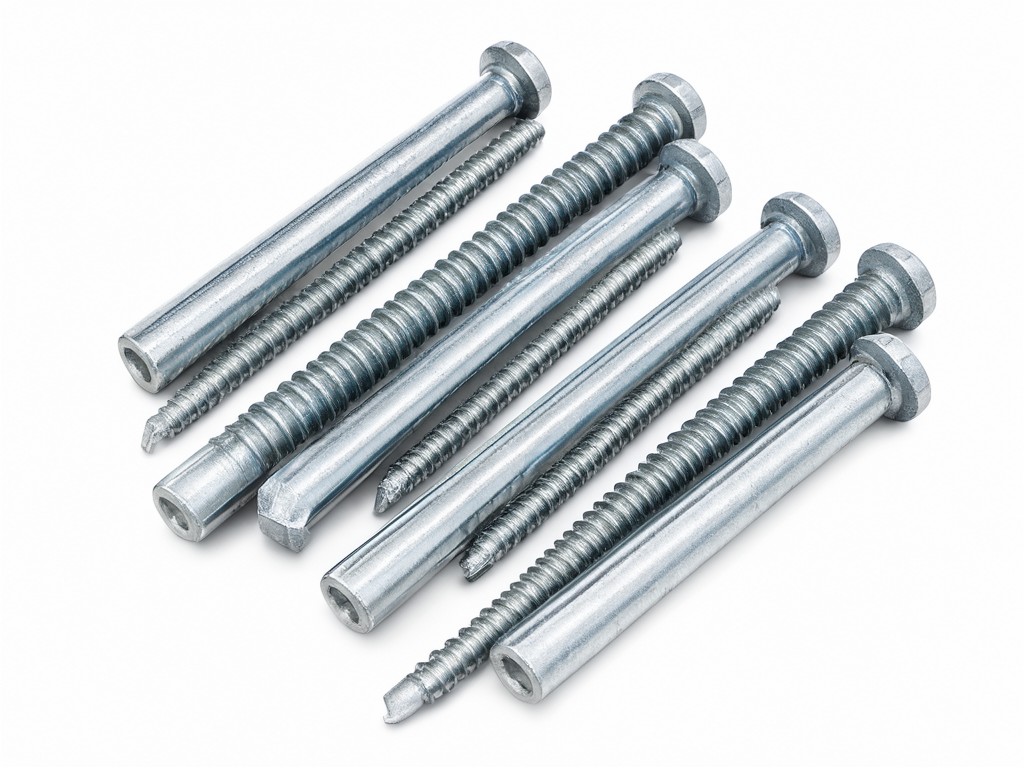
bulk threaded rod chemical anchor bolts china factory - Bulk Supply and Specification Guide
The Problem Buyers Keep Paying For
Fatigue appears at the stress concentration: often at the first engaged thread, a change in section, or the boundary between exposed and embedded rod. For importers qualifying a second source, the expensive issue is not just an isolated failure. A small shift in thread fit, cut length, or coating can split one order into inconsistent installation lots, followed by sorting, site delays, and avoidable returns.
Chemical anchor rods are selected as part of an adhesive anchoring system, not as stand-alone load-rated fasteners. Rod diameter, steel grade, embedment, adhesive, base material, edge distance, and installation conditions all affect the connection. A replacement supplier therefore needs to match the approved rod specification and control the dimensions and finish that installers handle from box to box.
- Thread fit drift can make nuts bind or feel loose, even when the nominal diameter on the carton is unchanged.
- Length variation changes the usable projection after embedment and can leave too little thread for the specified washer and nut stack.
- Finish variation affects corrosion protection and can create visible differences across a single installation or distributor shipment.
Construction Method and Its Effect on Consistency
For common steel anchor rods, production starts with steel bar or wire rod selected to the agreed grade, followed by straightening, cutting, end preparation, and thread forming or machining. Rolled threads displace material to form the thread profile; cut threads remove material. The practical choice depends on diameter, order volume, drawing requirements, and the required thread length. Either route needs controlled tooling and checks on pitch, diameter, straightness, and end condition.
Second-source control point: approve a master sample against the purchase drawing, then compare production lots using the same thread gauges, length reference points, and finish inspection method. Agree how sampling and out-of-tolerance product will be handled before the first bulk release.
Plating or galvanizing follows the machining steps when specified. Coating thickness can affect thread engagement, so the rod and compatible nuts should be assessed as a set rather than as unrelated line items. Record the coating type and inspection basis on the approved specification; “zinc finish” alone does not define a corrosion exposure rating.
Where This Product Beats Standard Alternatives
Where an anchor must be set into existing concrete or masonry, a threaded rod used with a compatible injection adhesive can suit the installation better than a mechanical expansion anchor. It avoids expansion pressure from a sleeve or wedge, which can matter near edges or where the approved design calls for an adhesive system. The connection still depends on correct hole preparation, adhesive selection, embedment, and cure conditions.
Use the comparison below to define the rod finish and the purchasing checks around it. The resin system and design engineer determine suitability for a particular load or substrate; a coating choice by itself does not establish anchor capacity.
| Rod construction or finish | Exposure and likely complaint | Specification that reduces the risk |
|---|---|---|
| Carbon steel with electroplated zinc finish | Protected indoor or limited-exposure installation; premature rust may follow outdoor storage or damaged coating. | State the coating requirement and exposure conditions, protect threads during packing, and inspect for bare patches or handling damage. |
| Carbon steel with hot-dip galvanized finish | Outdoor service where corrosion exposure is a concern; excess coating on threads can cause nut fit complaints. | Confirm the intended nut fit and thread condition after coating; approve sample assemblies before scheduling the bulk lot. |
| Stainless steel rod, grade specified by the buyer | Moist or corrosive environments; incorrect grade pairing or galling can complicate assembly and maintenance. | Specify the rod and nut grades together and verify suitability against the actual environment and anchor-system design. |
Specification Range and Customisation Limits
Weight and stiffness trade off against each other. Larger diameters add steel mass and section stiffness, while longer rods increase both shipping weight and the leverage imposed by the installed connection. A diameter or length change is therefore not a simple purchasing substitution; confirm it against the approved anchor design and required projection.
The ranges below are common quoting configurations, not a statement of load capacity or a limit on all production. Actual availability depends on the drawing, steel grade, thread length, finish, and order quantity. Indicative mass is a planning range per metre; final net weight varies with thread profile, material density, and finish.
| Nominal thread size | Common cut-length range | Indicative steel mass per metre | Order-specific checks |
|---|---|---|---|
| M8 | 100–1000 mm | About 0.35–0.40 kg/m | Thread pitch, end form, coating, and usable thread length |
| M10 | 100–1000 mm | About 0.55–0.62 kg/m | Rod grade, thread fit after finish, and cut-length tolerance |
| M12 | 100–1000 mm | About 0.80–0.89 kg/m | Threaded end length, chamfer, nut compatibility, and finish |
| M16 | 150–1000 mm | About 1.45–1.58 kg/m | Straightness, length, coating allowance, and packaging support |
| M20 | 150–1000 mm | About 2.25–2.47 kg/m | Steel grade, thread profile, corrosion protection, and carton load |
Custom cut lengths, partial threading, chamfered ends, and supplied nuts or washers can be quoted from a controlled drawing. Changes to material grade, coating, or thread dimensions may affect tooling, inspection, and lead time; freeze those details before comparing unit prices across suppliers.
Matching the Product to the Buyer's Need
The limiting factor is rarely the headline specification. A distributor may receive rods that match the nominal diameter yet still face site complaints if cut length, nut fit, or finish varies between lots. Start a second-source review with the parts already approved for the adhesive system, then compare the replacement sample against the drawing and a retained production sample.
For a Like-for-Like Second Source
Keep the approved diameter, grade, thread form, cut length, finish, and accessory stack unchanged. Compare samples for thread engagement, straightness, end condition, and coating appearance before transferring any volume.
For a Specification Change
Treat a change in steel grade, coating, embedment, or rod geometry as a design review, not a purchasing-only substitution. Confirm the revised combination with the responsible engineer and adhesive-system supplier before ordering production quantities.
For repeat orders, agree a lot record that links the purchase order to the rod size, material, finish, cut length, and inspection results. That record makes drift easier to isolate before mixed cartons reach a distributor or job site.
Packing, Marking and Freight Configuration
Long rods can bend under uneven pallet support, while loose metal-on-metal movement can mark protective finishes and damage thread starts. Specify bundle quantity, support points, outer carton or pallet arrangement, and moisture protection according to rod length and destination conditions. Separate sizes and finishes physically so warehouse staff do not need to rely on appearance alone.
Carton and bundle marks should identify the buyer's part number, nominal size, length, finish, quantity, and production lot. If nuts and washers are included, keep them itemized and packed to avoid thread contact during transit. Confirm gross weight and handling limits before finalizing a mixed-size shipment; longer and larger-diameter rods can change pallet stability and freight cost.
Setup, Use and Replacement Parts
Installation conditions determine whether the rod and adhesive perform as designed. Follow the adhesive supplier's instructions for hole diameter, drilling method, cleaning sequence, resin dispensing, embedment, temperature limits, and cure time. Keep the rod free of oil, loose scale, and handling contamination where the system requires a clean bonding surface; do not substitute a different resin or rod grade without checking compatibility and design approval.
For service work, inspect exposed threads, nuts, washers, and visible corrosion before reusing hardware. Replace damaged nuts or washers with parts that match the approved assembly. A rod bonded into cured adhesive is not normally a simple bolt replacement: removal and reinstallation can affect the substrate and anchorage, so follow an engineer-approved repair method rather than treating the rod as a removable mechanical anchor.
For a second-source qualification, submit the controlled drawing, target quantity, finish and packing requirements, plus any retained sample or approved resin-system details for a specification review. Request a specification review before committing the first bulk order.