


China adjustable u bolt factory: Specification, Ordering and Quality Notes
Two suppliers quoting the same specification can deliver different fit and service life if the drawing leaves the bend, thread or finish open to interpretation. Agree those details against an approved sample or controlled drawing before comparing unit price.
For private-label and retail programs, the practical objective is to match the specified U-bolt without redesigning the clamped assembly. A quote is comparable only when material, dimensions, thread, coating and packing basis are clear.
What This Product Is and Where It Fits
An adjustable U-bolt is a formed, threaded fastener whose width, leg length or other geometry is specified to suit a particular pipe, tube or mounting point. “Adjustable” can describe a made-to-order dimension; it does not automatically mean the legs move after installation. Confirm the intended meaning on the drawing.
Buyers use these fasteners in pipe supports, vehicle and equipment mounts, and general hardware kits. The fit depends on the inside width and bend profile as well as the pipe outside diameter. A mismatch may force installers to spread the legs, distort the clamp or accept uneven contact.
Fit dimensions
Specify inside width, inside height and bend shape against the mating part or an approved sample.
Thread engagement
Define diameter, pitch, usable thread length and end treatment so the nut seats without binding.
Material and finish
Select these together. The base metal, coating and service environment affect corrosion behaviour and fit.
Design Constraints Behind the Specification
Dimension the assembly, not just the U-bolt. Provide the mating pipe or clamp details, the measurement points and the required clearance. If the drawing gives outside width while the supplier measures inside width, both parties can meet their own reading and still produce a part that does not fit.
Rod diameter affects stiffness, thread engagement and the space available for nuts and washers. A larger diameter may suit a load requirement, but it also changes bend radius and can increase the risk of interference with nearby hardware. State the required material grade or agreed material description; a generic “steel” entry does not define corrosion performance or mechanical properties.
Coating adds another fit variable. Zinc coating, hot-dip galvanizing and other finishes differ in appearance, corrosion protection and build-up on threads. Confirm whether threads must remain usable as coated, and approve the finish on a representative sample before production release.
Assumptions Buyers Should Stop Making
- “Adjustable” does not establish a standard range of movement. Identify which dimensions may change and whether adjustment happens during manufacture or installation.
- A nominal pipe size is not always its measured outside diameter. Send the mating component dimension or specify the exact clearance required.
- A matching thread diameter alone does not confirm compatibility. Pitch, thread length, nut type and coating build-up also affect assembly.
- A coating name does not define a corrosion test result. Agree the coating type, appearance, coverage and any test method before placing the order.
- Do not infer a load rating from rod diameter or appearance. Any required load or proof test needs an agreed fixture, method and acceptance criterion tied to the application.
Requirements by Buyer Segment
Private-label buyers
Lock the drawing revision, finish sample, label text and pack quantity together. A change to coating or supplied nuts can alter both assembled fit and the retail contents, even when the U-bolt drawing stays unchanged.
Retail buyers
Define the sellable unit, included nuts and washers, barcode or product label, and carton quantity before sample approval. Clear pack specifications reduce receiving discrepancies and avoid relabelling work at distribution.
For either group, retain the approved drawing and sample reference against the purchase order. If a dimension is negotiable, mark its permitted range explicitly rather than relying on a verbal note in quotation correspondence.
Quality Control and Batch Consistency
Batch complaints commonly start with fit drift: one lot sits square on the pipe, while another needs force to align the legs. Bend width, leg parallelism and thread position should therefore be checked from the same datums defined on the approved drawing.
Keep the material description, finish, thread specification and drawing revision linked to each production lot. A first-off sample should be reviewed before the full run; changes to tooling, material source or coating route should trigger review against the approved reference. For repeat orders, compare retained samples or recorded inspection data using the same measurement points.
Set acceptance limits before production rather than after a fit complaint. Where the application requires load performance, have the buyer and supplier agree the test setup and acceptance basis; dimensional checks alone do not establish a working load.
Inspection Items and Test Methods
Inspection should follow the drawing’s datums and acceptance limits. A useful plan checks the details that determine assembly first, then confirms the finish and pack configuration against the approved sample.
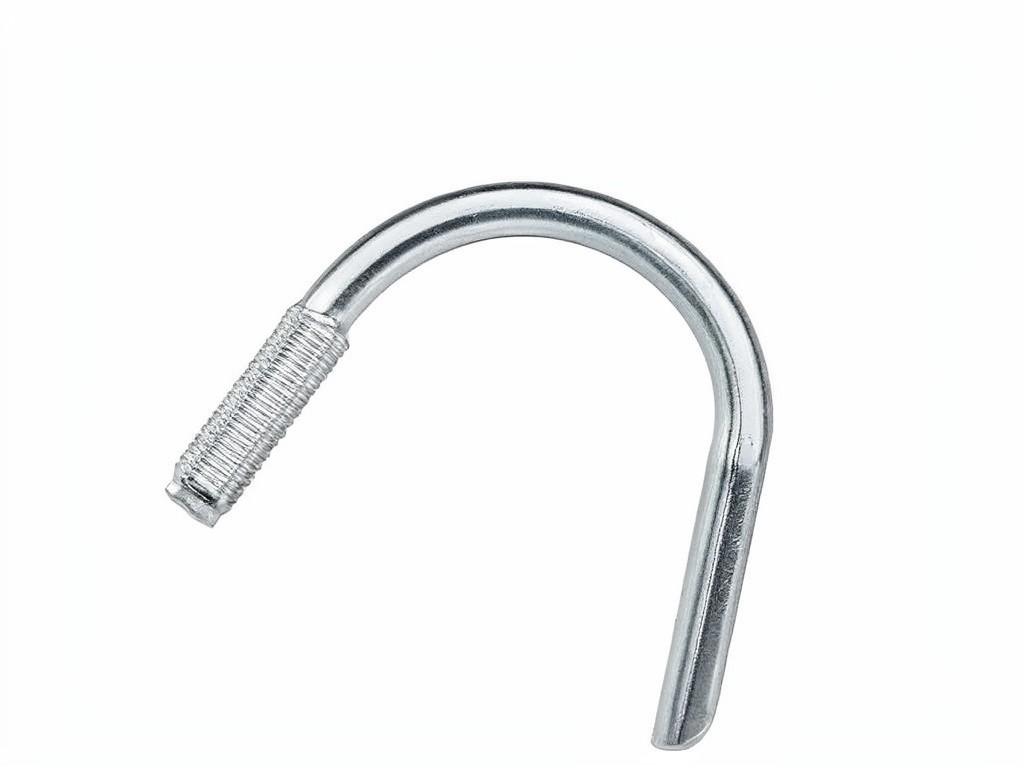
- Measure rod diameter, inside width, inside height, leg length and leg alignment with suitable gauges or dimensional tools.
- Check thread diameter and pitch with the specified thread gauges; verify nut engagement on a representative part.
- Inspect the bend for cracking, visible flattening or surface damage, and compare coating coverage and appearance with the signed sample.
- Use a coating-thickness or corrosion test only when the method and acceptance limit have been agreed for the selected finish.
- For an application-specific load check, confirm the fixture, loading direction, sample quantity and pass criteria in writing before testing.
Export Packaging and Handling Protection
Thread damage and finish abrasion can appear when loose U-bolts rub together in transit. Specify whether parts are nested, bagged or separated, and keep sharp threaded ends from bearing against coated bends. Retail packs also need a defined unit count and label position.
Carton strength and pack density should match the shipment route and handling method. Agree carton marks, inner-pack quantities, gross-weight limits if required, and any moisture protection before final packaging approval. Ask for a pack sample or photographs when presentation is part of the retail specification.
Ordering, Tooling and Lead-Time Questions
Before comparing quotations, align the drawing revision, sample status, material, coating, included hardware and retail pack. Non-standard bend geometry or a new forming setup can affect tooling cost and schedule; repeat orders against an unchanged approved specification are easier to plan.
| Quote item | What to define before order | Commercial effect |
|---|---|---|
| Size and weight | Drawing dimensions, rod diameter and any target unit weight; weight depends on geometry, material and finish. | Sets material consumption, fit criteria and freight planning basis. |
| Material and thread | Agreed material designation, thread diameter and pitch, thread length, and supplied nut or washer details. | Affects sourcing, assembly compatibility and unit cost. |
| Finish and artwork | Finish type, appearance sample, coating requirements, label file and packaging artwork revision. | Approval and any finish-specific inspection can affect the schedule. |
| MOQ and lead time | Request separate quantities and timing for samples, first production and repeat orders; confirm whether tooling is required. | MOQ and schedule depend on dimensions, material availability, finish route and approval turnaround. |
Can an existing U-bolt drawing be used without new tooling?
Possibly. The factory needs to check the bend width, leg length, rod diameter and forming setup against the proposed specification. Send a dimensioned drawing and sample if available; the supplier can then confirm whether existing tooling is suitable or a change is needed.
When should the production lead time start?
Agree the start point in the quotation. For made-to-drawing orders, it is commonly tied to approval of the sample or drawing, packaging artwork and order details, rather than the date of the first inquiry.
What should be included in the approval sample?
Approve a sample that represents the ordered material, thread, finish and supplied hardware. Record the drawing revision and finish appearance, and review the retail pack separately if its label or configuration is part of the order.
Request a Specification Review
Send the drawing revision, mating-part dimensions, material and finish requirements, target order quantity, and packaging details. A review before sampling can resolve measurement assumptions and identify approval steps before they affect the production schedule.