


china double end threaded stud bolts factory - Bulk Supply and Specification Guide
First-article tooling determines the thread profile and repeatability of each end. For bulk supply, thread rolling is the usual route for standard stud sizes; the blank and die setup must match the specified diameter, pitch, thread length and unthreaded shank.
The Problem Buyers Keep Paying For
| Service condition | Common complaint | Specification control |
|---|---|---|
| Outdoor equipment or exposed structural assemblies | Red rust or coating loss at exposed threads, followed by difficult nut installation. | Specify base material, coating, exposure conditions and the mating nut or tapped-hole requirement together. |
| Repeat assembly across multiple production lots | Variation in overall length or end-thread length changes fit and assembly time. | Use one controlled drawing datum and state tolerances for overall length, thread length and shank length. |
| Bulk kits packed by piece count or weight | Dimensional drift changes unit mass, pack count or carton weight, which can trigger returns and repacking. | Lock diameter, length and finish build; confirm the packing basis before production release. |
A small dimensional shift can carry through to weight per piece and carton totals. If replacement lots differ from the approved sample, importers may face customer complaints, mixed inventory and repeat freight costs. The drawing should identify the datum for each thread end, not rely on a general note such as “standard stud.”
Coating adds another fit variable. A finish selected for weather exposure can change the available clearance at the thread; confirm the nut fit after coating rather than specifying the bolt finish in isolation.
Specification Range and Customisation Limits
The build method decides which details can stay fixed across repeat orders. Rolled threads suit many standard production sizes and help maintain a repeatable profile. Diameter, pitch, thread system and blank geometry still determine die selection; a nonstandard combination may need dedicated tooling or a different route.
| Specification item | Available choices | Buyer input needed |
|---|---|---|
| Diameter and thread | Metric or inch thread; diameter and pitch to drawing. Production availability depends on material and tooling. | State thread system, pitch, fit class or applicable drawing requirement. |
| End and shank geometry | Equal or unequal thread lengths, plain center shank, and overall length to the approved part drawing. | Dimension both threaded ends from a clear datum; identify chamfer or end-form requirements. |
| Base material | Carbon steel, alloy steel or stainless steel, subject to strength, corrosion and forming requirements. | Provide the required material grade or properties and intended service environment. |
| Surface finish and packing | Options may include zinc coating, hot-dip galvanizing, black oxide or an uncoated stainless finish; bulk or labelled packs. | Specify appearance, corrosion exposure, mating hardware and pack quantity or label details. |
Keep the approved drawing, sample and purchase specification aligned. A finish change or revised thread length is a specification change, even if the nominal diameter remains the same.
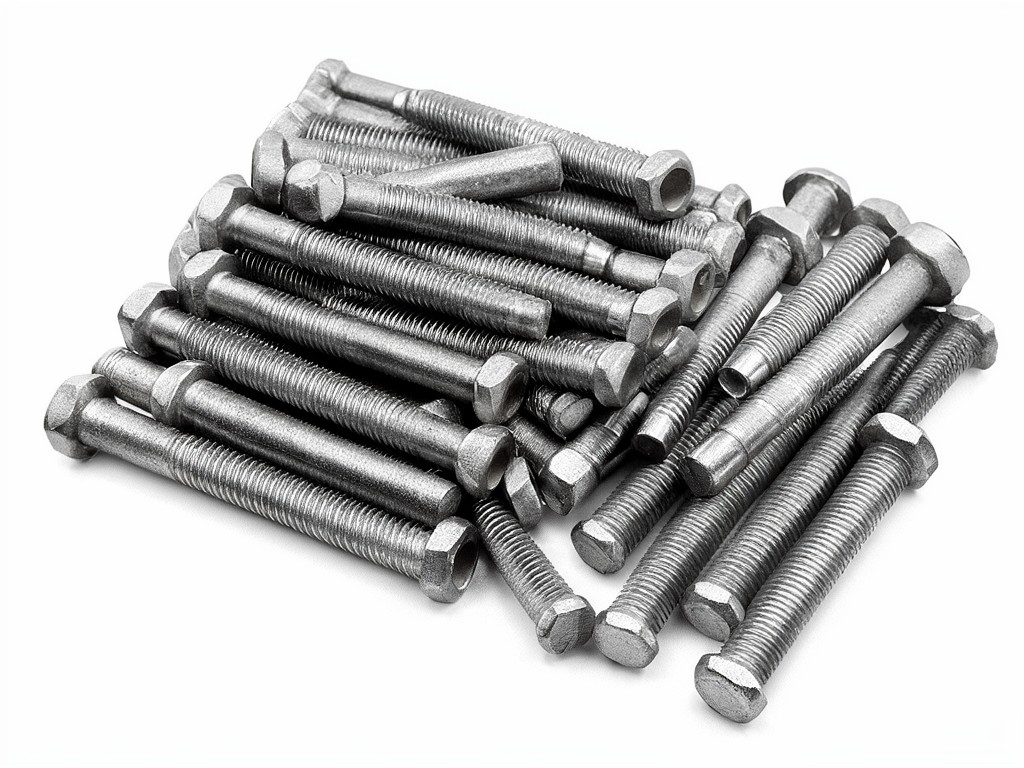
Matching the Product to the Buyer's Need
Process choice shows up later as assembly fit, finish wear and reorder consistency. For a private-label replacement part, retain the established geometry unless service feedback points to a specific change. Altering coating, material or thread engagement without updating the approved specification can create a part that looks similar but behaves differently in the customer's assembly.
Zinc-Coated Carbon Steel
A practical choice for general corrosion protection and controlled cost. Confirm coating appearance and nut engagement on the finished thread; handling and storage conditions still affect corrosion risk.
Hot-Dip Galvanized Steel
Consider this for more exposed service where a thicker zinc coating is specified. Coating build can affect thread clearance, so the bolt, nut and finishing route need joint review before the drawing is frozen.
| Durability factor | Selection guidance | Trade-off to record |
|---|---|---|
| Rain, condensation or outdoor storage | Choose a coating or corrosion-resistant base material for the actual exposure, including time in transit and storage. | A more protective finish can raise unit cost and change thread fit or surface appearance. |
| Repeated tightening and removal | Match material and thread condition to the expected assembly and maintenance cycle. | Thread damage or coating wear may appear before the stud body reaches its service limit. |
| Reorder across separate production lots | Freeze material, dimensional datums, finish and pack method against the accepted reference sample. | Unrecorded changes can create visible finish differences, mixed pack weights and customer returns. |
For distributor stock, prioritize a stable drawing and pack configuration over small cosmetic variations. For a branded kit, add the label language, piece count and carton identification to the same revision record as the part specification.
Capacity, Tooling and Scheduling
Production timing depends on diameter, material, thread form, finish route and order quantity. Standard sizes with an established die setup can move sooner than a first run that needs new tooling or a nonstandard end configuration. Confirm whether the quoted schedule includes finishing, packing and export preparation.
Tooling changes are most useful when they resolve a drawing mismatch or repeat assembly complaint. If only the private-label packaging changes, keeping the bolt specification intact avoids unnecessary setup and sample approval time. For repeat orders, reference the accepted drawing revision and identify any requested deviation before the production slot is reserved.
Mixed diameters, materials or finishes may require separate production and finishing plans. Ask for a schedule by specification line if the shipment contains multiple variants; one combined date can obscure which items control dispatch.
Questions Buyers Ask Before Ordering
Can an existing private-label specification be matched without changing the part?
Usually, if the drawing or reference sample defines diameter, pitch, both thread lengths, overall length, material and finish. Submit the current revision and note any known assembly issue separately so a proposed correction does not get mistaken for a like-for-like replacement.
What information helps confirm a coating for outdoor use?
Describe exposure, storage and the mating nut or tapped hole, then state any finish or appearance requirement on the drawing. If thread clearance is tight, request confirmation of the finished-part fit before approving the production sample.
Does a new thread size always require new tooling?
Not always. Existing tooling may cover a standard size and thread form, but a different pitch, diameter or thread length can require a separate setup. The factory can confirm tooling status after reviewing the drawing and material.
How should repeat orders avoid lot-to-lot variation?
Keep the accepted drawing revision, material, finish, packing details and sample reference on the reorder. Call out any approved change in writing; otherwise, a new finish or revised length may be treated as a new specification rather than a routine reorder.
Arrange a Tooling Review
Send the drawing, target quantity, material and finish requirement for a review of thread tooling, production route and schedule. Contact the factory to review your stud bolt specification.