


china power fasteners wedge stud bolts supplier: What Buyers Should Check Before Ordering
What the Design Has to Balance
Before comparing quotations, confirm that every supplier is pricing the same anchor assembly: threaded stud, expansion clip, nut and washer, with matching dimensions and finish. A wedge stud bolt develops holding force as tightening draws its cone into the clip inside a drilled concrete hole. The assembly must suit the specified hole diameter, embedment and installation clearance; a lower-priced part is not equivalent if one of those details changes.
For an importer, the commercial measure is installed cost across repeat orders, not the purchase price of one bolt. A small mismatch in thread length, clip fit or coating can slow installation across a project batch. If that mismatch leads to site sorting, replacement shipments or warranty disputes, the saving at purchase can disappear quickly. Keep the drawing revision and approved sample tied to the purchase order so later production lots have a clear reference.
Materials and Construction Trade-offs
Carbon Steel with a Zinc Finish
For dry indoor installation and controlled exposure, carbon steel with an applied zinc coating can keep the assembly cost down. Coating thickness and coverage affect corrosion resistance, but the finish also adds cost and can affect thread fit. Confirm the agreed finish and check that threads remain usable after coating.
Stainless Steel or a Heavier Protective Finish
Damp, exterior or chemically exposed locations may call for stainless steel or a more protective coating, subject to the project specification. These choices raise material or processing cost. Specify the exposure and compatible nut-and-stud materials together; mixing materials without review can create corrosion or installation issues.
The expansion clip must also match the stud and cone geometry. A change in clip material or forming can alter how consistently the anchor expands, even when the nominal diameter is unchanged. Ask the supplier to identify material and finish by component rather than describing the complete set with one broad grade label.
How It Is Built and What That Changes
For cold-headed and thread-rolled production, keep the approved drawing, steel specification, thread details and coating route fixed across the order. Changes to any one of these can affect fit or installation behaviour; record them as controlled revisions, not informal substitutions.
A typical production route forms the stud from steel wire or rod, rolls the thread, prepares the cone and forms the expansion clip. The nut and washer are sourced or produced to the agreed assembly requirements, then the specified finish is applied where required. Cold heading can reduce material waste and support repeatable shapes at volume, while thread rolling forms threads without cutting them into the stud. Tooling condition, setup control and finish buildup still affect lot-to-lot fit.
Before mass production, align on a sample assembly and the checks that matter to the drawing: dimensions, thread engagement, component fit and coating condition. Thread gauges and dimensional checks can identify fit drift; coating checks can help flag uneven coverage. For a project with defined load requirements, performance validation must use the specified concrete and installation conditions. A result from a different base material or installation method is not a substitute.
Measured Performance in Real Use
| Service condition | Construction choice to review | Cost and durability implication |
|---|---|---|
| Dry, interior concrete with limited exposure | Carbon steel and the specified zinc finish | Can suit cost-sensitive indoor work when the coating and thread fit meet the drawing. |
| Exterior or periodically damp installation | Review coating protection or stainless steel against the actual exposure. | Higher initial cost may reduce replacement risk if the selected material suits the site conditions. |
| Repeated installation across a large batch | Hold stud dimensions, clip geometry, thread fit and assembly contents to the approved sample. | Consistent fit limits site sorting, installation delays and avoidable warranty claims. |
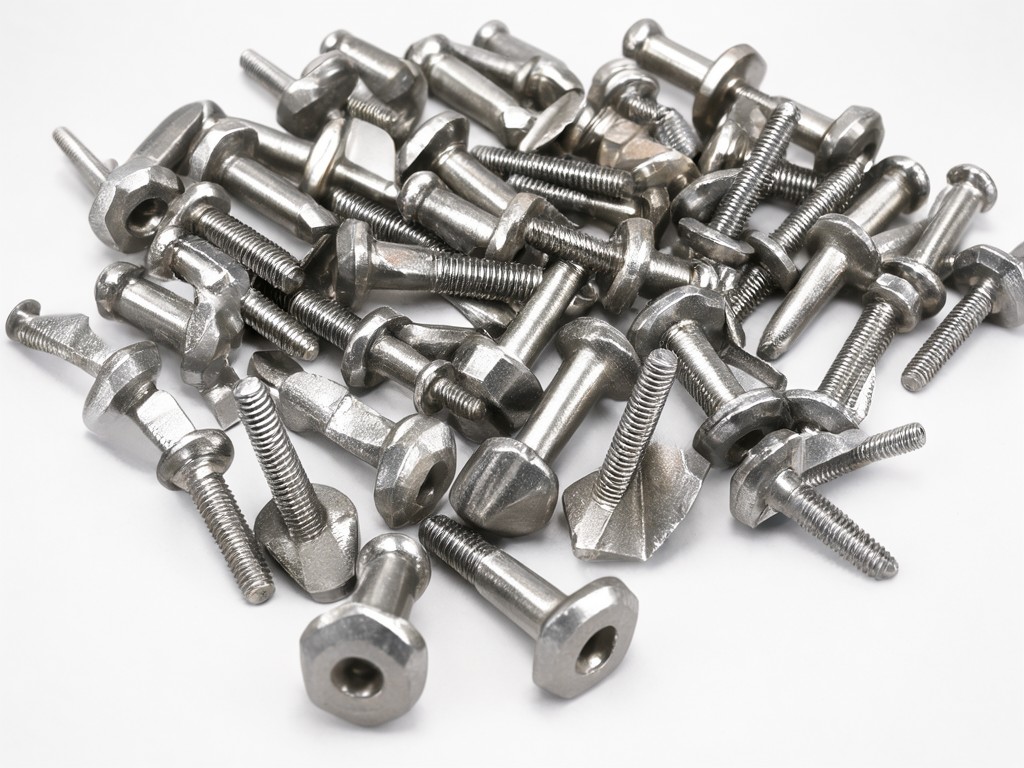
The anchor's performance depends on more than the bolt itself. Concrete strength and condition, hole preparation, edge distance, embedment and installation torque all matter. Buyers should base selection on the project design and the supplier's agreed product data, not on a load figure detached from its test setup.
Assumptions Buyers Should Stop Making
Nominal Size Alone Does Not Define a Match
- A matching diameter does not confirm the same stud length, embedment, thread length, nut, washer or expansion clip.
- A zinc appearance does not specify coating type, thickness or coverage. Put the required finish in the drawing or purchase specification.
- A supplier's stated load value does not apply automatically to every concrete condition or installation method. Check the test basis and project requirements.
- An approved sample does not control later batches unless the production reference, revision and change-approval process are recorded.
For private-label and repeat procurement, these details protect the reorder as much as the first shipment. A short, controlled specification is more useful than a broad product description that leaves component choices open.
What Can Be Customised and What Cannot
Usually Customisable
Stud length, thread details, component combination, material, finish, pack quantity and carton marking can often be specified for the order. Existing tooling may cover common configurations; non-standard geometry can require new tooling and a sample-approval step.
Not a Safe Shortcut
Changing the cone, clip or stud dimensions without checking the assembly can alter expansion behaviour. A substitute material or finish also needs review against corrosion exposure and thread fit. Treat these as engineered changes, not cosmetic options.
Tooling charges and minimum order quantities depend on the requested size, the factory's existing dies and the required production route. If the forecast is uncertain, ask for a quote that separates standard configurations from tooling-dependent options. That comparison shows whether the custom feature is likely to earn back its setup cost through repeat volume or fewer field problems.
Requirements by Buyer Segment
The purchasing file should reflect how the batch will be used and reordered.Club or academy purchasing managers sourcing anchors for facility work should check installation compatibility with the concrete and the fixing detail specified by their contractor. They benefit from clear pack quantities and labels that separate sizes at the worksite. A mixed or poorly identified carton can cost more in labour than it saves in unit price.
Importers and private-label buyers need the approved drawing, sample reference, material and finish schedule, carton configuration and change-control terms on file. For repeat business, request production-lot identification and agree how dimensional or finish deviations will be handled before the first container ships. This gives the buyer a basis to resolve claims without relying on an old email or a verbal description.
Packing, Marking and Freight Configuration
Agree the pack count, inner-pack method, carton weight and carton markings before production. Separate sizes and finishes clearly; mixed cartons raise receiving time and increase the chance of a wrong anchor reaching the installation crew.
Stud threads and coated surfaces can be damaged by loose movement during sea or truck freight. Use packaging that limits abrasion and keeps components grouped, while avoiding unnecessary bulk that increases freight volume. For container orders, confirm carton dimensions, pallet requirements and shipping marks against the importer's warehouse handling plan.
Private-label cartons can carry the buyer's item code, size, finish, lot reference and handling information where agreed. Keep the external label consistent with the packing list and purchase order so receiving teams can reconcile the shipment without opening every carton.
Review the Tooling Before You Place the Order
Send the drawing, target volume, material and finish requirements, sample reference and packing plan for a tooling review. The quotation can then distinguish standard production from custom tooling, and show which choices affect unit cost, lead time and batch consistency.
Discuss your wedge stud bolt requirements