


China u bolt earth clamp supplier - Bulk Supply and Specification Guide
Repeat loading drives the failure: a clamp that shifts on a pipe, loosens at the nut, or marks the conductor can turn a small dimensional mismatch into field rework. For private-label programmes, the practical target is not a new design; it is stable fit, finish and unit weight against an approved specification.
Supply is generally based on a conductive clamp body, a U-shaped fastener and matching nuts, sized to bond an earthing conductor to a metal pipe or electrode. Keep the interface dimensions and material pairing fixed between orders, then vary only the options that the installation and market require.
Scope of Supply and Physical Form
| Selection item | Indicative supply range | Specification control |
|---|---|---|
| Pipe outside diameter | Approximately 15–50 mm across common clamp families | Confirm the supported diameter and U-bolt clearance on the approved drawing. |
| Conductor capacity | Common configurations cover about 16–70 mm² | Specify conductor type and cross-section; the body groove must seat it without cutting strands. |
| Unit weight | Roughly 50–220 g, depending on body size and fastener material | Use the approved sample and drawing as the reorder reference; this planning range is not a guaranteed tolerance. |
| Main construction | Conductive copper-alloy body with a steel U-bolt and paired nuts | Set body alloy, fastener grade and surface finish together to suit the installation environment. |
The clamp is supplied as a body-and-fastener assembly, with conductor seating geometry matched to the intended cable and pipe. Packaging can keep each assembly together or separate bulk hardware by size; the right choice depends on distributor picking and the risk of mixing similar-looking variants.
Treat the dimensions and weights above as a family-level planning envelope only. For a private-label reorder, drawing dimensions, material callouts and an approved reference sample take precedence.
Design Constraints Behind the Specification
The limiting factor is rarely the headline specification. Fit depends on the relationship between pipe diameter, U-bolt span, body curvature and conductor groove; a small change in one dimension can leave the clamp rocking on the pipe or force the installer to over-tighten the nuts.
Body alloy and fastener finish also need to be chosen as a pair. A lower-cost plated steel fastener can suit controlled indoor service, while damp or exposed locations may justify a corrosion-resistant fastener option at a higher unit price. The trade-off is the specified environment, not an assumption that one finish suits every installation.
Reorder rule: hold the body profile, U-bolt dimensions, nut type and finish definition constant. If any of these move between lots, appearance, fit and packed weight can drift enough to create picking errors, installation complaints or avoidable returns.
Fatigue appears at the stress concentration around the U-bolt bends, threads and body contact points. A clamp that is repeatedly tightened or exposed to vibration needs enough thread engagement and a body shape that holds the conductor without local damage; dimensions should be selected for the real assembly, not adjusted by installer force.
Measured Performance in Real Use
In service, the clamp has to stay seated while the fasteners retain the specified assembly pressure. A mismatched groove can flatten or score conductor strands; a poor fit to the pipe can allow movement, which transfers repeated load to the fastener and contact surfaces.
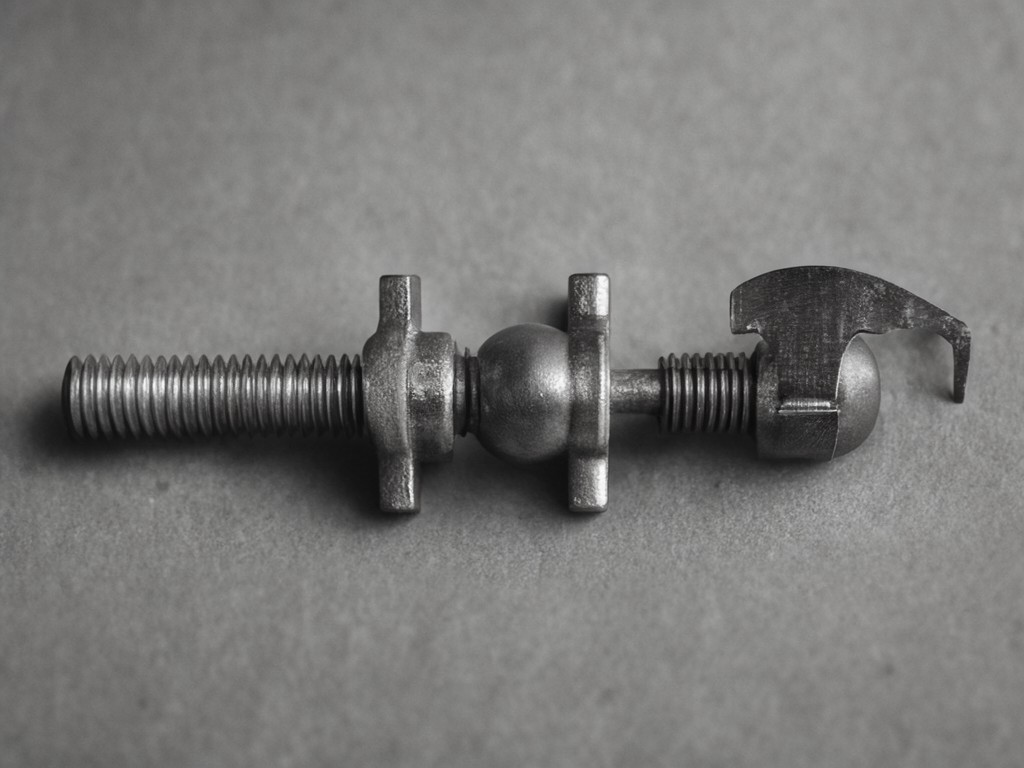
For brand owners, lot consistency matters as much as nominal fit. A change in casting profile, plating shade or fastener mass can make cartons look like mixed stock and can disrupt product photography, distributor picking and installed appearance. Keep finish descriptions tied to a defined material and process choice rather than a colour name alone.
Set the decision rule around the approved application: specify the pipe and conductor range first, then lock the material pairing and finish. If the intended installation includes moisture, chemical exposure or frequent service access, resolve those conditions before approving the production reference.
Comparing Two Standard Configurations
A standard body with a plated steel U-bolt is usually the cost-led choice for controlled environments. A copper-alloy body paired with a stainless steel U-bolt typically carries a material premium, but may better suit damp service where fastener corrosion would complicate future removal.
Cost-Led Indoor Assembly
A conductive copper-alloy body with a plated steel U-bolt and matching nuts keeps material cost and unit weight down. Choose it where the environment is controlled and the buyer accepts the finish limitations defined for that use.
Corrosion-Conscious Assembly
A compatible copper-alloy body with stainless fasteners raises material cost and can change the assembly's weight and appearance. Select it where exposure and maintenance access make fastener condition a purchasing concern.
Neither configuration should be substituted mid-program without buyer approval. Locking the fastener material, body alloy and finish together gives purchasing a repeatable cost basis and reduces visual or dimensional surprises at reorder.
Segment-Specific Requirements
Electrical wholesalers and private-label hardware brands often carry several sizes that look similar in a bin. Their commercial risk is a mixed-size shipment or a finish shift that triggers a distributor query, so clear size identification and stable carton configuration matter alongside the clamp dimensions.
- For installers bonding conductors to service pipework, match the body groove and U-bolt range to the pipe and cable listed for the job; access for tightening must remain practical.
- For maintenance contractors working in damp plant areas, select the fastener finish for exposure and expected removal, then keep that material callout consistent across replacement orders.
- For distributors managing multiple private-label sizes, use distinct size markings or pack identifiers so near-identical variants do not create pick and return errors.
Export cartons should protect plated or polished surfaces from abrasion in transit and keep nuts with the correct clamp size. Agree carton quantity, inner-pack method and label content before the first bulk order; changing pack density later can alter freight volume and handling cost.
OEM and ODM Programme Structure
For an OEM programme, provide the existing drawing or a dimensioned sample, pipe diameter range, conductor specification, material callouts, finish reference and packaging artwork. The supplier can then quote against the defined product rather than introduce a redesign that changes fit or assembly behaviour.
ODM changes are best limited to practical options such as a different fastener material, label format, pack quantity or size range within the existing product family. A new body profile or conductor groove can require tooling review and a fresh fit approval, so the buyer should weigh that cost against expected order volume and the value of a closer match.
Before release, define which dimensions and visual attributes are fixed, how approved samples are identified, and what can change only with written approval. This gives both sides a common reference for lot-to-lot size, weight and finish consistency without adding an unnecessary redesign cycle.
Care, Storage and Service Life
Store assemblies dry and separated from chemicals, salts and abrasive hardware that could damage the finish or contaminate contact surfaces. Keep size variants in labelled cartons, and avoid loose bulk handling where fasteners can scratch plated bodies or become separated from their matching clamps.
During installation or service, use the specified conductor and pipe range and follow the project tightening procedure. Repeated removal can wear threads or alter contact surfaces; replace a clamp if the fastener no longer holds securely, the body is deformed, or corrosion affects the intended contact area.
Service life depends on the installation environment, material pairing and maintenance interval. Keep the approved configuration on file so replacements match the original dimensions and finish rather than relying on visual similarity alone.
For a tooling review, share the existing drawing or sample, target pipe and conductor range, material and finish requirements, and expected order volume. Contact the team to review fit, tooling scope and a private-label supply plan.