


Custom 1 2 inch galvanized square bend u bolts Wholesale - Bulk Supply and Specification Guide
Tooling amortisation decides whether a custom square bend U bolt remains economical at repeat-order volumes. For wholesale supply, keep the established mounting dimensions and change only the details needed to match the buyer’s drawing, finish, or packaging specification.
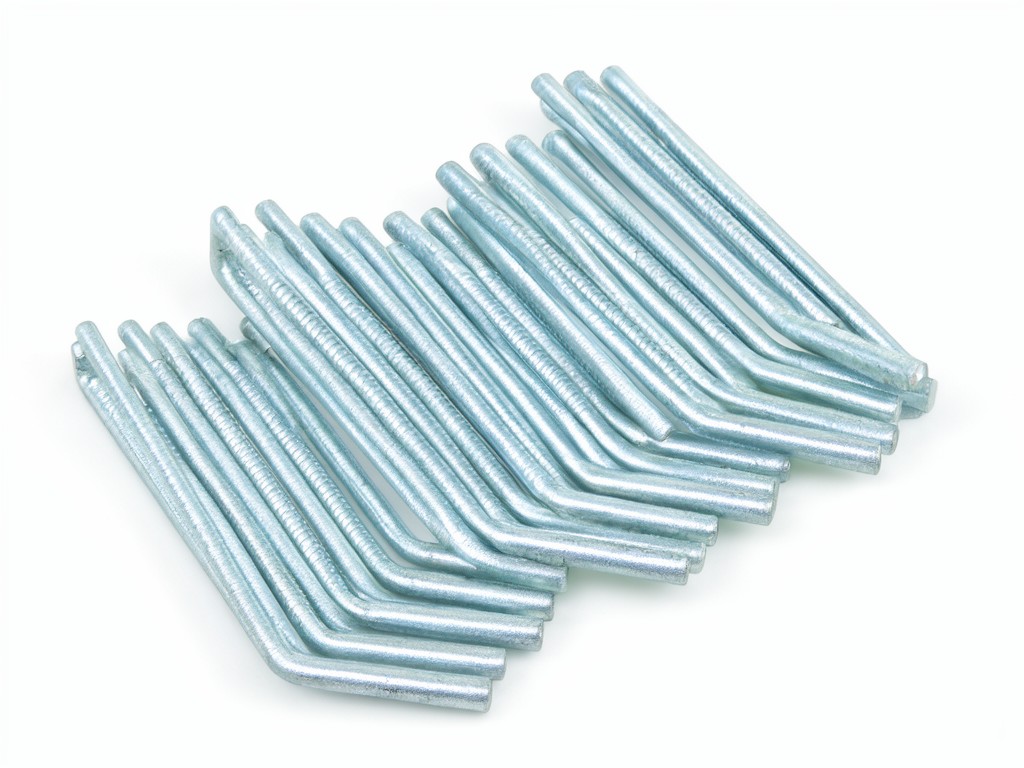
The “1 2 inch” description is commonly used to mean a 1/2-inch nominal rod diameter. Confirm that interpretation on the drawing, then specify inside width, leg length, thread size and length, and the surface treatment. A mismatch in any of these can leave the installer with a bolt that will not seat or nuts that will not run onto the threads.
How to Choose Before Requesting a Quote
Start with the mounting condition, not a catalogue label. A square bend that is too narrow may bind on the member; excessive clearance can let the assembly shift under service loads. Short legs can leave too little thread engagement, while longer legs add material and may interfere with nearby parts.
- If the existing part fits without modification, share its drawing or a dimensioned sample. Record inside width and inside leg length from the same reference points used for the replacement.
- If only the nominal diameter is known, confirm whether 1/2 inch refers to the rod diameter or another dimension before quoting.
- If the bend seats around a square or rectangular member, confirm corner clearance and the required bend radius. A tight bend can distort the fit; a larger radius changes the contact area.
- If field complaints mention loose nuts or difficult assembly, check thread diameter, pitch, length, and finish buildup together. Zinc on the thread can affect nut fit, so confirm the intended nut supply and assembly method.
- If corrosion at the bend or cut ends drives returns, select the coating route for the exposure and fabrication sequence. The added coating cost is only useful if the finished part still assembles as specified.
| Construction or finish route | Best fit and buyer trade-off | Quote details to confirm |
|---|---|---|
| Formed steel rod, then hot-dip galvanized | Consider for outdoor exposure where coating coverage is a priority. Zinc buildup can affect thread engagement and close-fitting dimensions, so finished-part fit needs agreement. | State whether threads are cut before or after galvanizing, and specify the supplied nut arrangement. |
| Formed steel rod, then electro-galvanized | Often selected where a thinner, more uniform finish and easier thread fit matter more than the greater coating build of hot-dip treatment. Match the route to the actual weather exposure. | Confirm finish appearance, coating route, thread fit, and whether nuts are included. |
| Alternate steel grade or rod condition | A change may affect forming behaviour, springback, cost, and the finished bend geometry. Keep the established material if the current part meets the application and buyer specification. | Identify the required material designation or approve a proposed equivalent before production. |
Keep the original interface dimensions fixed when the aim is a private-label match, not a redesign. Agree on coating route and thread fit before approving the sample; changing either after tooling or bulk production can create avoidable rework.
Requirements by Buyer Segment
Distributors usually need a repeatable part number and dimensions that match the stock item their customers already install. A small change in inside width or thread length can be enough to trigger returns when the bolt replaces an established fitting.
Wholesale buyers managing a private-label line also need consistent carton quantities, part identification, and a clear record of the approved drawing revision. Keep the label tied to the exact size and finish combination; a generic “galvanized U bolt” description does not distinguish coating routes or thread details.
For both buyer groups, complaints tend to surface at installation: a leg sits short, a bend rocks on the member, or the nut catches on the thread. Freeze the drawing and packing description together so reorder stock matches the approved sample rather than relying on a broad product name.
Volume Planning and Lead Time
For a repeat profile, the existing forming setup can reduce the cost of starting a run. A new width, leg length, or bend geometry may require setup changes or dedicated tooling; spreading that cost across a planned quantity can make custom dimensions more practical than purchasing a close but ill-fitting stock size.
Lead time depends on drawing approval, material availability, forming setup, coating sequence, and whether nuts or custom packing are part of the order. Confirm the production window after the sample and finish are approved. For seasonal demand, place repeat-order forecasts early enough to reserve material and avoid last-minute substitutions.
Set the order quantity against expected usage and the cost of a stockout, not just the unit price. A cheaper substitute that fails to fit can cost more through returns, sorting, and delayed installation than a correctly matched production run.
Export Packaging and Handling Protection
Bulk metal parts can rub against one another in transit. That contact may mark the coating, expose edges, or leave cartons with loose hardware that complicates receiving. Specify inner bags, dividers, or bundled packs according to the part shape and destination handling conditions.
Ask for carton quantities that support warehouse counting and reseller picking. Keep the size, finish, quantity, and buyer part number visible on each outer label; if multiple dimensions ship together, separate them physically and identify each pack to reduce mix-ups at the receiving dock.
For long sea or land routes, agree on moisture protection and carton strength before dispatch. Packaging can limit transit damage, but it cannot compensate for coating damage that occurs before packing or for parts that were packed while wet.
Questions Buyers Ask Before Ordering
Does “1 2 Inch” Mean a 1/2-Inch Rod?
It is commonly intended to mean 1/2 inch, but the quote should use a drawing or explicit rod diameter. Also provide thread details, inside width, and leg length so the size cannot be interpreted differently.
Can the Existing Part Be Matched Without New Tooling?
That depends on the forming setup and whether the requested bend and dimensions match an available tool. Send the current drawing or sample for review before assuming a stock setup will produce the required fit.
Which Galvanized Finish Should We Specify for Outdoor Use?
Choose based on exposure, coating expectations, and required thread fit. Hot-dip and electro-galvanized finishes differ in coating build and appearance; confirm the route in writing rather than relying on “galvanized” alone.
What Affects Minimum Order Quantity and Lead Time?
Custom tooling, material purchasing, coating batch requirements, and packaging choices all affect the production plan. Share the target order quantity and expected reorder pattern to compare a production run with a smaller initial release.
Can We Use Our Own Part Number and Carton Label?
Yes. Provide the approved wording, label file, carton quantity, and any language or barcode requirements before packing approval. Tie the label to the agreed drawing revision and finish.
Request a Tooling Review
Send the drawing, sample dimensions, finish preference, forecast quantity, and packing requirements for a review of tooling fit and production route. A clear specification at the quote stage helps keep the first order and later replenishment aligned.