


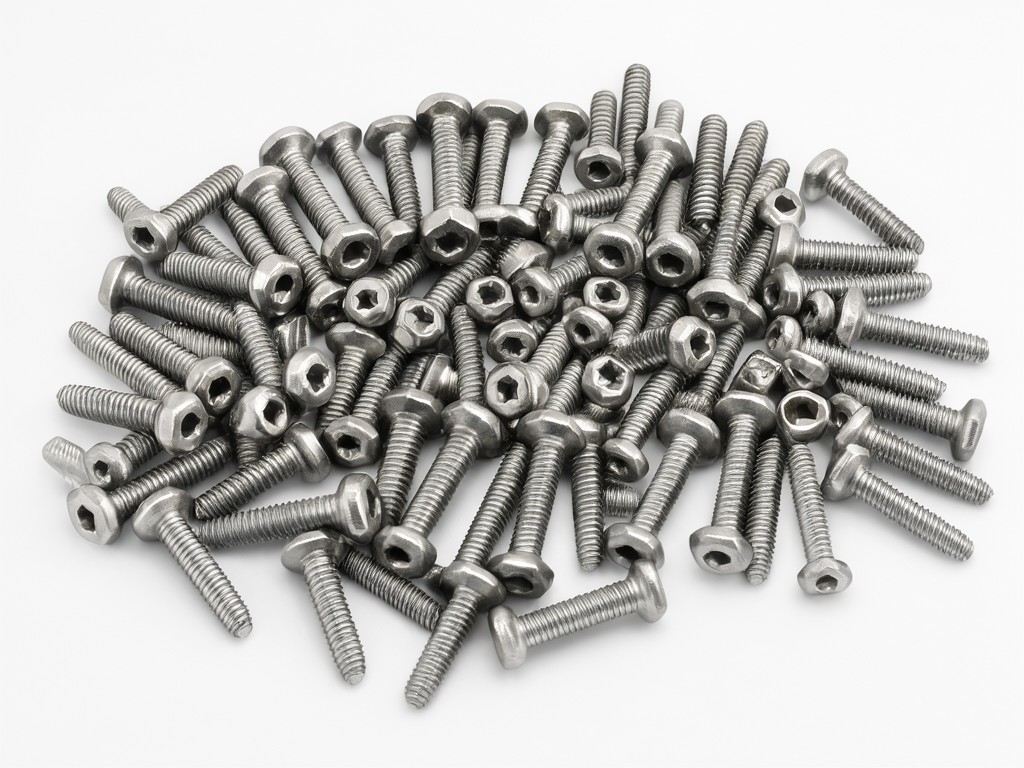
Specifying custom 10 24 10 32 socket head cap screw bolts suppliers for Wholesale and OEM Orders
A launch date can slip because a reorder arrives with #10-24 screws where the approved assembly calls for #10-32. Both use the same nominal screw diameter, but their thread pitches differ, so they are not interchangeable. For procurement teams, the first control is a drawing and purchase description that state the thread, length, head dimensions, material, and finish as separate requirements.
Custom socket head cap screws suit OEM assemblies where a cylindrical head and internal hex drive meet the available clearance and tool-access needs. Production commonly uses cold heading and thread rolling; custom head geometry or an unusual length can add setup work, so confirm the approved sample and production schedule before committing to a launch quantity.
Scope of Supply and Physical Form
Name the thread form, not just “#10.” Specify #10-24 UNC or #10-32 UNF, then identify the required thread length and whether the screw is fully or partially threaded. A pitch mismatch can stop assembly or damage a mating tapped hole.
The supply can be configured around under-head length, head diameter and height, socket size, drive depth, end form, and any shoulder or unthreaded section. State dimensions in one unit system on the drawing. If the screw must sit below, level with, or above a surrounding surface, include that installed condition rather than relying on a product name alone.
- Drawing revision and thread designation should match the purchase order and sample label.
- List material grade and finish separately; a finish name does not define the screw’s base material.
- Set bulk-pack quantity, carton marking, and lot identification before export packing is booked.
The Problem Buyers Keep Paying For
Pitch confusion
“#10 socket screw” leaves room for a 24-TPI or 32-TPI interpretation. Put the full designation on the drawing, order, and sample approval record.
Fit and finish drift
A head that crowds a recess, a socket that gives poor key engagement, or a finish that changes the fit can slow an assembly line. Resolve the mating geometry and finish choice on the sample before placing the repeat order.
Returns and schedule changes often begin with a gap between the drawing, the quoted specification, and the part used for approval. A controlled revision and a signed-off sample give both buyer and supplier one reference for the production run.
Design Constraints Behind the Specification
Mating thread
Choose #10-24 for a 24-TPI mating thread or #10-32 for a 32-TPI mating thread. Confirm the internal thread and engagement depth in the assembly drawing.
Head and drive access
A socket head needs clearance for both its outside diameter and the hex key. Tight access may call for a different head profile, but any profile change needs a drawing update and fit approval.
Length and contact
Define under-head length and the required thread reach. If the head is touched during normal handling, specify edge condition and surface finish so sharp burrs do not affect hand feel.
Set tolerances against the mating parts and assembly function. A tighter tolerance can add sorting or process control cost; reserve it for dimensions that affect fit, drive engagement, or installed position instead of applying a blanket requirement to every feature.
Material Options and Their Trade-offs
| Material and finish route | Useful fit | Trade-off to settle before approval |
|---|---|---|
| Alloy steel with black oxide | Indoor assemblies where a dark appearance and a common steel option suit the specification. | Black oxide alone offers limited weather protection. Specify any supplementary oil or protective packing requirement if storage or service exposes parts to moisture. |
| Alloy steel with a zinc-based finish | Assemblies that need a plated barrier against routine handling and damp conditions. | Coating can affect close-fit dimensions and appearance. Confirm coating type, colour, and any restrictions tied to the selected steel grade with the supplier. |
| 18-8 stainless steel | General-purpose assemblies where corrosion resistance matters more than a dark or plated finish. | Mechanical properties differ from alloy steel options. Specify the required material condition and confirm it suits the application load. |
| 316 stainless steel | More exposure-prone service where the environment warrants a molybdenum-bearing stainless option. | Material cost is typically higher than general-purpose stainless. Confirm the actual exposure and strength requirement before selecting it. |
Weather resistance depends on the base material, finish, storage, and service environment together. For a visible or hand-contact part, include colour and surface expectations in the sample review; a finish chosen only from a catalogue description may not match the intended feel or appearance.
Option Comparison by Usage Level
Prototype or limited initial order
Use an available head style and material where they meet the design, then approve the specified thread, length, and finish on a sample. This can reduce custom tooling exposure, but only if the substitute dimensions are accepted on the drawing.
Repeat OEM or wholesale program
A dedicated cold-heading setup can make sense when annual volume supports the tooling and the drawing is stable. Lock the sample revision, finish, packaging quantity, and reorder identification before production; late changes can require new setup and affect the ship window.
For either route, the order quantity, material availability, finish queue, and approval turnaround shape the lead time. Share the required in-warehouse date and destination early so the quoted schedule can include production, packing, and freight preparation.
Segment-Specific Requirements
- OEM product managers should provide the mating-hole detail, assembly clearance, and approved drawing revision so the screw fits the real build rather than a generic description.
- Procurement teams working to a launch date should request a dated sample-approval milestone and reserve time for drawing changes before the production slot.
- Distributors and importers should agree carton quantities, external labels, and lot references before packing, especially when multiple thread pitches or finishes share one shipment.
- Assemblies exposed to outdoor moisture need a material-and-finish choice based on the actual service conditions; a dark appearance by itself does not indicate weather protection.
A clear approval trail helps contain schedule risk: supplier drawing review, sample confirmation, purchase-order release, and written change control should refer to the same part revision.
Ordering, Tooling and Lead-Time Questions
How do I prevent a #10-24 and #10-32 substitution?
Write the full thread designation on the drawing and purchase order, and keep it on the sample label. Do not approve a part marked only “#10.”
What should the first drawing include?
Include thread pitch, under-head length, head and socket dimensions, thread length, material, finish, tolerances on fit-critical features, and any packaging or marking requirements. Attach a mating-part detail when clearance or engagement is limited.
When does custom tooling affect the order schedule?
A nonstandard head, drive, or formed feature can require dedicated tooling and additional approval time. Ask the supplier to separate tooling, sample, and production milestones in the quote, and confirm the schedule after the drawing is approved.
What drives MOQ and repeat-order timing?
MOQ depends on the production setup, material and finish route, and order configuration. A stable approved specification and forecast can make repeat planning easier; a change to thread, finish, or head form may require a revised quote and schedule.
Discuss the drawing before the production slot is booked. Share the target quantity, required delivery date, thread designation, material, finish, and current drawing revision so the supplier can identify approval and tooling steps.
Send your screw specification for a project discussion