


custom 4 inch stainless steel square u bolts factory - Bulk Supply and Specification Guide
Material choice starts with the conditions the product will meet. For a square U bolt, stainless grade, rod diameter, bend geometry and thread specification work together; a mismatch can raise purchase cost without lowering replacement or assembly costs.
Materials and Construction Trade-offs
| Option | Typical fit | Cost and specification trade-off |
|---|---|---|
| 304 stainless steel | General outdoor and indoor service where exposure is not strongly chloride-laden. | Often the cost-conscious stainless choice. Confirm exposure and cleaning conditions before substitution. |
| 316 stainless steel | Applications with regular salt or more aggressive chemical exposure, subject to the full service environment. | Higher material cost may make sense where corrosion-related replacement or returns are costly. |
| Plated carbon steel | Price-led use in environments where the coating remains intact and exposure is controlled. | Lower initial material cost, with coating damage and corrosion risk to assess over the expected service period. |
Square U bolts are commonly formed from round stainless rod, then cut or formed to the specified leg length and threaded. The phrase “4 inch” must be tied to a drawing dimension: it may refer to clear inside width, outside width or another reference. Lock that datum, rod diameter, bend radius, leg spacing and thread length before sampling; otherwise two parts can share a nominal width and still fail to fit the mating assembly.
Stainless grade does not set load capacity by itself. Rod diameter, bend geometry, thread engagement, mating hardware and the installed load path all affect the assembly; use an application-specific engineering review where load limits matter.
Where This Product Beats Standard Alternatives
A square profile seats against flat-sided components where a round U bolt can shift or leave uneven contact. That geometry can simplify fit-up on channel, frame or bracket assemblies, provided the inside width and corner radius match the mating part.
Against plated carbon steel, stainless can avoid dependence on an intact surface coating in suitable exposure conditions. The material premium only improves cost per unit sold if it cuts corrosion-related replacements, service calls or customer claims enough to offset the added purchase cost. It is not a substitute for correct sizing, thread engagement or an appropriate load design.
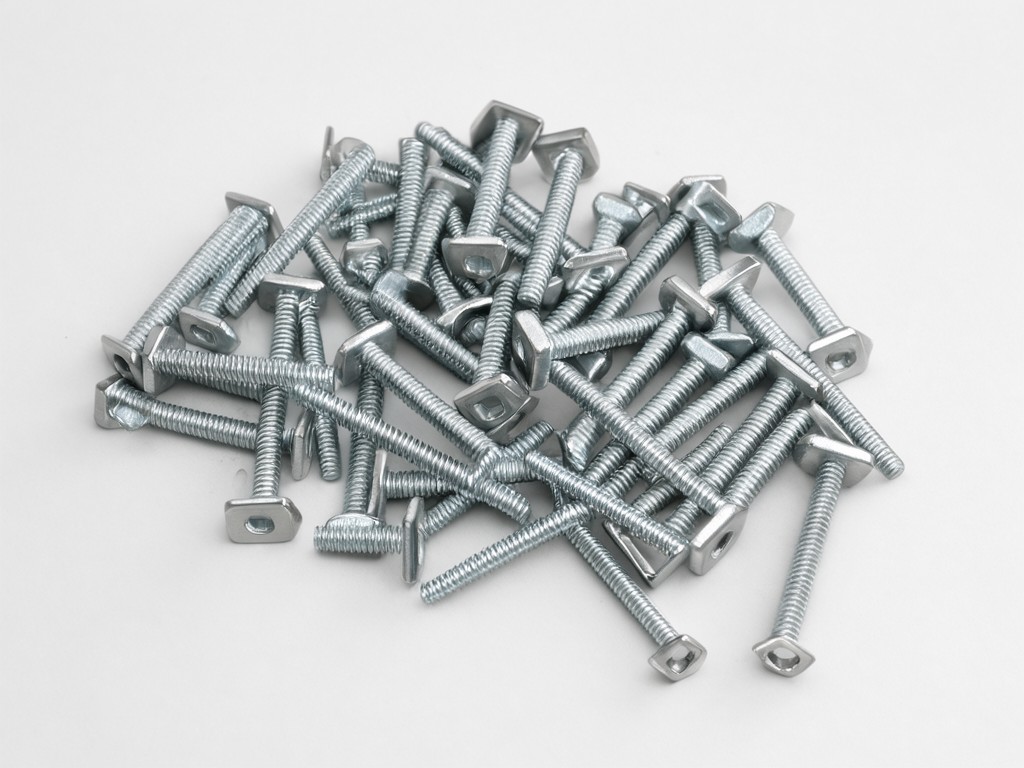
Against a catalogue part, a drawing-controlled custom version can hold the dimensions that decide assembly fit. That matters on repeat OEM builds: variation in leg spacing or thread length can create installation delays even when the nominal 4-inch dimension is correct.
Matching the Product to the Buyer's Need
Start with the mating component and installation sequence, then select the material and process controls. A drawing should identify the measurement datums, thread form and tolerance needs; “4 inch square” alone leaves too much room for interpretation.
- Specify whether the 4-inch dimension is inside clear width, outside width or a centerline measure, and include a reference sketch if the bend is non-standard.
- Set rod diameter, leg length, thread diameter, thread pitch and usable thread length to match the nut and assembly stack-up.
- State the operating environment and any finish or passivation requirement; surface treatment cannot compensate for a stainless grade that does not suit the exposure.
- Identify which dimensions control fit and must be checked on every production lot, rather than requesting tight tolerances across every feature.
For sample approval, inspect the bend width, leg parallelism, overall leg length and thread engagement against the agreed drawing. Production checks can then focus on those fit-critical points, along with material identification and visual condition, instead of adding inspection time to dimensions that do not affect assembly.
Customisation Options and Their Limits
A custom bend usually needs a forming setup matched to the rod diameter and leg spacing. Setup work, first-piece checks and any dedicated checking fixture add cost before the production run; larger, repeat volumes spread that setup cost across more parts.
Lower Initial Volume
A short run limits inventory exposure, but setup and inspection are divided across fewer parts. Non-standard dimensions may also require a sample cycle before production release, which affects both unit price and schedule.
Repeat Production Volume
A stable forecast can amortise the forming setup and support planned raw-material purchasing. Once the approved dimensions and inspection points are fixed, repeat orders can avoid some first-run adjustment time; lead time still depends on material availability and capacity at order release.
Thread length, end treatment, bend radius and surface condition can be specified within process limits. Tight leg-spacing tolerances or frequent drawing changes may add adjustment and inspection work. A frozen revision and forecast usually help reduce rework and make unit pricing more predictable than a low price based on an unapproved sample.
Working as a Production Partner, Not a Catalogue Supplier
A production partner reviews the drawing before tooling, flags unclear datums and confirms which dimensions control assembly fit. For OEM and wholesale programs, the commercial target is not simply the lowest unit purchase price; it is a repeatable part that limits fit problems, sorting and avoidable replacement cost.
Before a first order, align on the material grade, drawing revision, sample-approval criteria, lot inspection points and forecast volume. This gives procurement a clearer basis for comparing setup cost with repeat-order pricing and lets production plan the forming process around the actual order pattern.
Discuss the Drawing and Volume Plan
Share the part drawing, service environment, target annual quantity and expected release pattern for a project review. Those details help identify the right material and forming approach, clarify any tooling charge and build a quote around unit cost across the intended order volume.
Contact the factory to discuss your square U bolt specification.