


custom 5mm countersunk stainless steel bolts factory - Bulk Supply and Specification Guide
Selection rule: confirm the countersink angle, head dimensions, thread and stainless grade from the mating part drawing before comparing unit prices. Grade 316 generally costs more than 304; specify it where regular moisture or chloride exposure makes corrosion-related replacement and service calls a greater cost risk.
On a club programme that reorders twice a season, a bolt that sits proud of its countersink can interfere with adjacent parts, while a poorly matched stainless grade can add corrosion complaints after outdoor use. Switching a second source into an existing assembly also puts drawing interpretation and lot-to-lot fit under scrutiny. Confirm the mating geometry and exposure first; then qualify material, process and inspection against an approved sample.
Material Options and Their Trade-offs
For a 5 mm countersunk bolt, corrosion resistance is only one part of the material decision. The chosen grade must also suit the service environment, mating hardware and installation method. Stainless fasteners can gall against stainless mating threads, particularly under fast installation or dry assembly; define lubricant and tightening practice where that risk matters.
| Material option | Practical trade-off | Useful decision basis |
|---|---|---|
| 304 stainless steel | Often the cost-conscious choice for general indoor use and less aggressive outdoor exposure. It can stain or pit in chloride-rich conditions. | Select where the service environment and cleaning chemicals do not call for greater chloride resistance. |
| 316 stainless steel | Typically carries a material premium, with improved resistance to chloride exposure compared with 304. It is not immune to corrosion in every environment. | Consider for regular exposure to coastal air, de-icing salts or chloride-bearing washdown, after reviewing the full assembly conditions. |
Cold heading and thread rolling suit repeat production when geometry and volume support dedicated tooling. Low-volume or unusual profiles may call for a different production route, with a different piece price and surface or dimensional outcome. Agree the route against the drawing and approval sample rather than assuming that a grade name alone defines the finished bolt.
Assumptions Buyers Should Stop Making
“5 mm” does not, by itself, define the complete fastener. If it means nominal thread diameter, state whether the thread is M5 and provide pitch, length measurement method and tolerance. If it refers to another dimension, identify that dimension on the drawing.
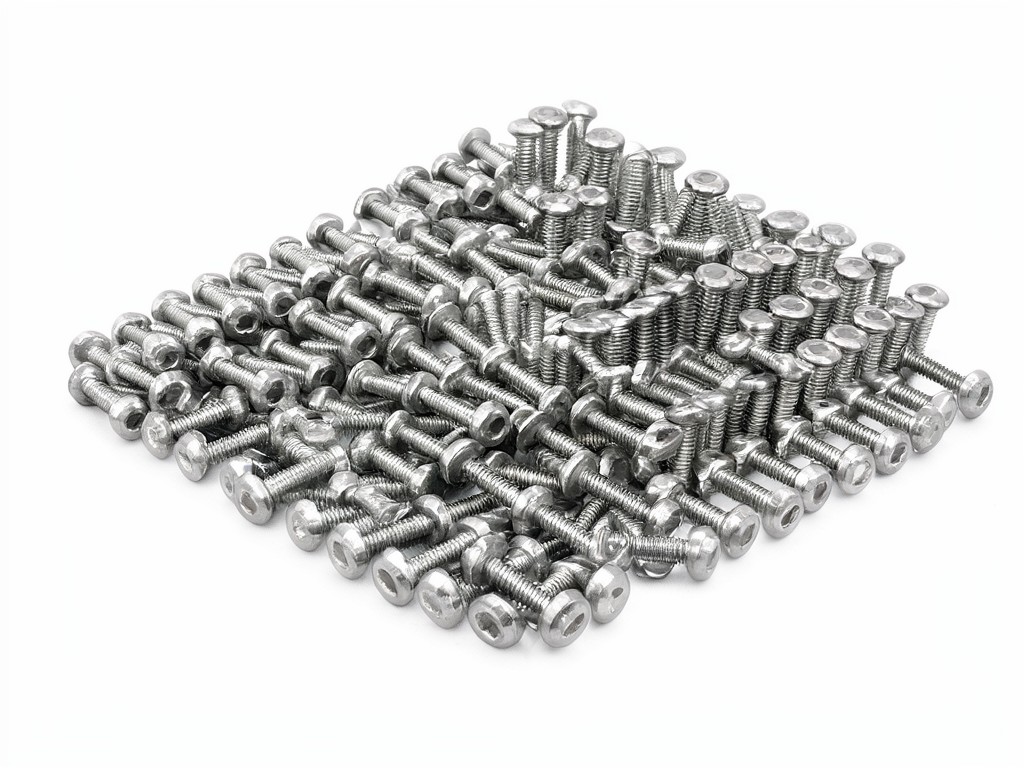
A countersunk head is not interchangeable just because the thread fits. The head angle, diameter and height determine whether it seats flush and bears correctly on the mating surface. A typical angle must not be substituted for the specified angle without engineering approval.
Stainless steel also does not mean rust-proof, maintenance-free or immune to galling. Treat grade, finish, exposure, contact materials and assembly practice as one specification set; otherwise a low unit price can be offset by field replacement and warranty handling.
What Can Be Customised and What Cannot
Custom work can cover thread diameter and pitch, under-head length, countersunk head profile, drive type, point form, material grade, finish and packaging. Tooling changes to the head or drive can increase setup cost and affect minimum economic order quantity. A change to any mating dimension should be checked against the assembly drawing before production release.
The fixed limit is fit: the bolt must match the intended thread, countersink and available clearance. A factory can propose a manufacturable revision, but it cannot make an unapproved change to the mating geometry a safe substitute. Provide a controlled drawing or a dimensioned sample, with revision level and critical dimensions identified.
Head marking may be possible where the head size and drive leave sufficient space, but marks can affect appearance and need a sample review. For private-label orders, branding is often more practical on carton labels, bags or inserts. Confirm artwork, language, pack quantity and traceability fields before packaging approval.
Who Uses It and Where It Matters
Fastener distributors use custom dimensions to supply equipment makers and local fabricators whose assemblies do not match a standard catalogue part. Their concern is repeatable fit across replenishment orders, clear grade identification and pack sizes that support picking without mixing similar bolts.
A club or academy purchasing manager may source replacement bolts for racks, fixtures or equipment assemblies exposed to frequent handling and periodic outdoor storage. Flush seating can prevent snag points and interference; material choice should reflect actual weather and cleaning exposure rather than a blanket request for stainless steel.
Private-label buyers and importers need more than an accepted first sample: they need the next shipment to use the same approved dimensions, material designation and pack identification. Where bolt failure triggers a service visit or return, compare any grade or inspection premium with the cost of replacements, labour and claims.
Working as a Production Partner, Not a Catalogue Supplier
A second source should work from the same controlled specification as the incumbent supplier. That means reviewing drawing revisions, confirming which dimensions govern fit, and recording the approved material, finish, sample and packaging configuration. A catalogue description is not enough where head seating or thread engagement is application-specific.
For OEM and ODM programmes, sample approval sets the reference for production and incoming inspection. Buyers can also agree how substitutions, process changes and nonconforming lots are handled before the first bulk order. Those controls reduce the chance that a lower quoted unit price shifts cost into sorting, returns or warranty claims.
Private-label support can include bag or carton specifications, product identification, batch coding and artwork coordination. The production record should connect the approved configuration to the shipped lot so a replenishment order can be checked against the right reference.
How Consistency Is Held Across Batches
Incoming material records establish the stainless grade for the production lot. During manufacture, dimensional checks can cover thread features, overall length and head geometry; thread gauges check fit, while a countersink gauge or optical measurement checks the specified seat profile. Inspection frequency and sampling level should be agreed with the buyer against order volume and risk.
Finish inspection should look for surface defects and inconsistencies that affect appearance or corrosion behaviour. Where weather exposure is a concern, salt-spray testing can be discussed as an agreed evaluation method, but the result depends on the test conditions and does not predict every service environment. Installation trials on the buyer’s mating parts can reveal seating, drive engagement or galling issues that dimensional checks alone will not catch.
Batch identification, inspection records and retained approval samples give procurement teams a reference when investigating a fit complaint or comparing a new shipment. Keep critical dimensions and acceptance criteria consistent across both sources; otherwise a dual-source programme can create two nominally similar but incompatible inventories.
Capacity, Tooling and Scheduling
Cold-heading capacity depends on the selected bolt geometry, material condition and available tooling. A standard head profile may use existing tooling, while a custom drive or head form can require new tooling, trials and sample approval before repeat production. Quote timing should separate sample and setup work from the recurring production lead time.
Forecasts help reserve material and machine time for seasonal replenishment, but firm schedules depend on approved specifications, raw material availability, order quantity and packaging readiness. A buyer qualifying a second source can start with a controlled sample lot, then set reorder quantities and release timing around actual demand rather than committing the full forecast before fit is confirmed.
Review the Drawing and Private-Label Details
Send the bolt drawing or dimensioned sample, material requirement, target order quantity and intended exposure. Include packaging artwork or label requirements for an artwork-and-branding review. A production review can then identify fit questions, tooling needs, sample steps and the batch controls required for a second-source qualification.
Contact the factory to review your specification and branding requirements.