


custom 7 16 14 double ended stud bolts supplier: What Buyers Should Check Before Ordering
First-article tooling determines how consistently both threaded ends meet the agreed drawing. For a 7/16-14 double-ended stud, confirm whether the designation means 7/16-inch nominal diameter with 14 threads per inch, then define the thread class, threaded lengths, overall length, end chamfers and any plain shank. Those details settle the blank dimensions and rolling setup before a production quote becomes meaningful.
A typical route starts with bar or coil stock, cuts blanks to length and rolls the threads at both ends. Rolled threads suit repeat production, while cut threads can make sense for smaller runs or special geometry; the choice affects setup cost, unit price and thread consistency. Agreeing a controlled sample against the drawing before release helps prevent a low purchase price from turning into assembly rejects or rework across a full order.
Scope of Supply and Physical Form
| Order stage | Indicative planning range | What changes the quote |
|---|---|---|
| Sample and first article | About 1–3 weeks after drawing and material approval | Special end geometry, tooling needs and requested inspection records |
| Production order | About 3–6 weeks after sample approval; confirm at order placement | Quantity, steel availability, thread process and surface treatment |
| Custom MOQ | Often 500–2,000 pieces, subject to specification and setup | Material grade, finish, blank size and whether existing tooling applies |
The finished part may have equal thread lengths or a shorter tap end and a longer nut end, with a plain section between them. Specify overall length and each threaded length separately; do not rely on a product description alone to define where the measurement starts. Thread class, end chamfer and any shoulder or unthreaded length should also appear on the approved drawing. The ranges above are planning estimates, not a delivery or MOQ commitment.
For the sample approval, mark the datum for overall length and identify which end enters the tapped component. A shared measurement convention prevents avoidable disagreement over stud length at inspection.
Material Options and Their Trade-offs
Process choice shows up later as thread fit, coating coverage and the cost of each accepted piece. Carbon steel is often the economical starting point for general indoor or protected assemblies. Stainless steel may suit exposure where corrosion resistance matters, but its material cost and forming behaviour differ; choose the grade against the service environment rather than using “stainless” as a complete specification. If the assembly needs a coating, state the finish and required coverage on the drawing or purchase specification.
Carbon Steel With a Specified Finish
A practical cost choice for assemblies with controlled exposure. Zinc plating or another agreed coating adds process cost; confirm coating type, appearance and any dimensional allowance that could affect thread engagement.
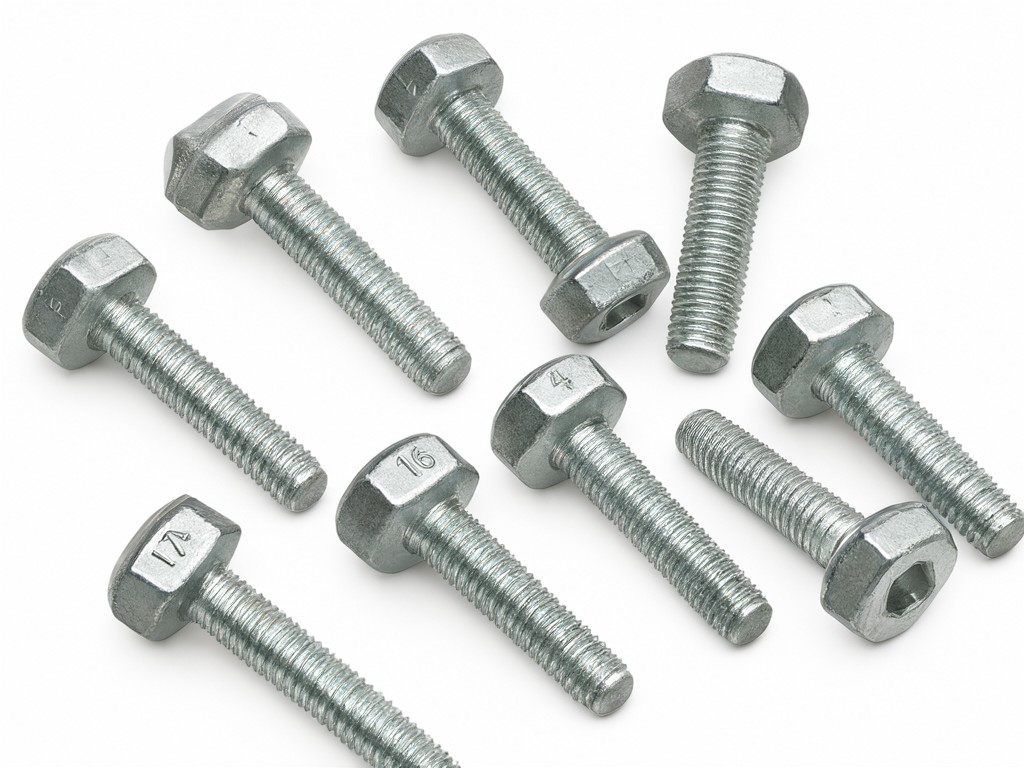
Stainless Steel
A candidate for damp or corrosive service when the selected grade matches the exposure. Grade selection affects price and production response, so approve the exact material designation and sample rather than accepting a broad material description.
For either route, agree the material and finish before sampling. A finish change after approval can alter thread fit or appearance and may require a new sample check.
Who Uses It and Where It Matters
Consistency is set at the forming stage, then confirmed against the mating parts and the approved sample. Importers and wholesale buyers usually need a repeatable specification across replenishment orders; private-label buyers also need a clear item description so their customer does not confuse overall length, end style or finish. These use cases commonly include:
- Equipment assemblers fitting a stud into a tapped housing and securing a component with a nut, where thread engagement and exposed length must match the assembly drawing.
- Repair and maintenance distributors stocking replacement fasteners, where an exact length, thread form and finish reduce the risk of a part that does not fit at service.
- Private-label hardware sellers supplying repeat kits, where approved samples and controlled item identification help keep reorder specifications aligned.
A low unit price has little value if field installation requires thread chasing or sorting. Buyers should compare landed cost per accepted stud, including the effect of dimensional variation, finish rejection and replacement handling.
Working as a Production Partner, Not a Catalogue Supplier
A custom order starts with a controlled drawing, not a catalogue match. Share the thread designation and class, overall length, thread lengths at both ends, material, finish and acceptable tolerances. If the mating component has a known fit issue, include its thread specification or a representative part for review. The supplier can then confirm manufacturability and identify any setup or inspection cost before sample production.
Sample approval should record the drawing revision, material and finish, along with the measurements checked. For private-label orders, agree the item code and any required marking or document content before production release. Keeping these approvals tied to the purchase order helps control changes between initial orders and repeat runs, where small specification drift can create sorting costs downstream.
A supplier that can review the drawing, make a pre-production sample and hold the approved revision gives the buyer a clearer basis for repeat sourcing than a catalogue-only quotation.
Inspection Items and Test Methods
Inspection should follow the risks named in the drawing and purchase specification. Dimensional checks cover overall length, thread lengths, diameter and end form. Thread ring gauges check external thread fit against the specified class; visual inspection can identify burrs, damaged crests, incomplete threads and obvious finish defects. Where the material or application requires it, agree any material verification or mechanical testing before production, including the sampling basis and acceptance criteria.
Coating thickness or corrosion exposure checks should be quoted only when the finish specification calls for them. Salt-spray testing, for example, needs an agreed method and acceptance requirement; a test duration without defined criteria does not establish service life. For repeat orders, retain the approved sample and inspection record so later lots can be assessed against the same dimensions and finish expectations.
Request a Sample
Send the drawing, target order quantity, material and finish requirement for a sample review and quotation. Include the mating-part details where thread fit is sensitive. Confirm the approved sample and drawing revision before placing the production order.