


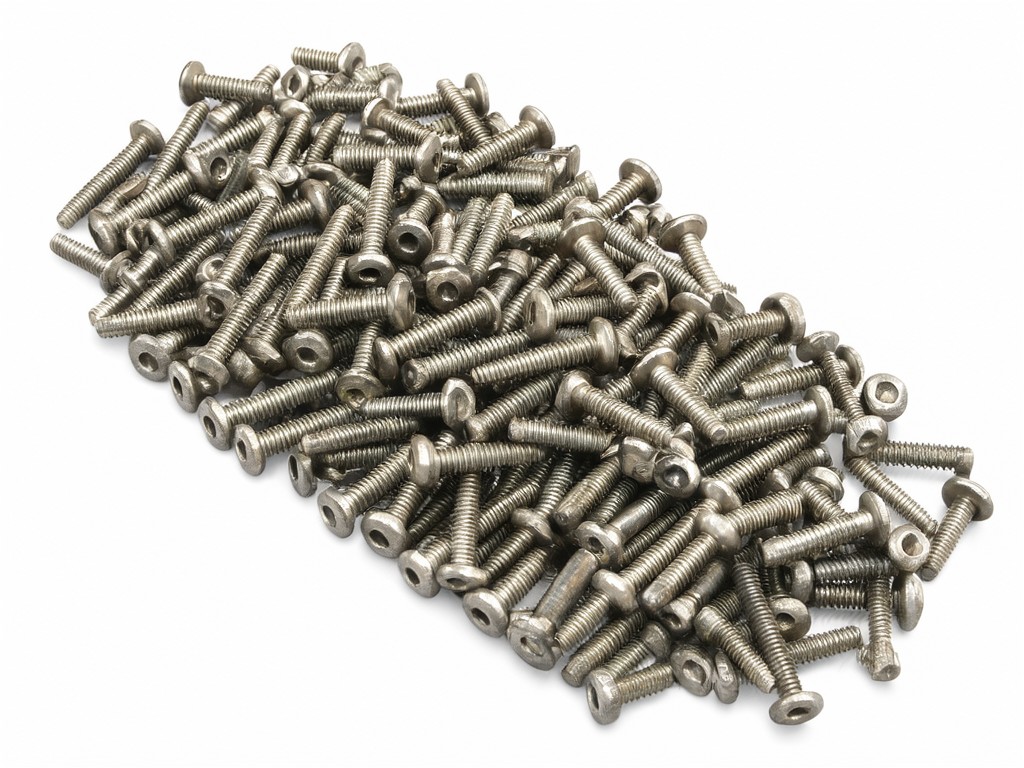
Specifying Custom A325 countersunk bolts factory for Wholesale and OEM Orders
Consistency depends on the countersunk head seating to the same depth as the mating recess while preserving the required joint geometry. For an importer or private-label buyer, a repeat order must match the approved drawing, material condition, thread details and finish; otherwise, installation variation can turn a small unit-price saving into field rework and warranty claims.
A325 identifies a structural bolt strength grade, but a countersunk head is a modified geometry rather than the usual structural-bolt form. The head change affects bearing area and load transfer, so the complete joint design—not the grade name alone—must define acceptance.
Scope of Supply and Physical Form
Countersunk structural bolts are specified by shank diameter and length, head diameter and angle, head height, thread length, pitch, and the interface they must seat against. Length measurement needs an explicit drawing convention; for a countersunk head, buyers should state whether length is measured overall or from the head-to-shank transition.
- Supply can be defined around a custom forged head, a matching nut and washer arrangement, and the specified coating or uncoated condition.
- The mating recess angle, depth and surface condition belong on the approved assembly drawing; head fit cannot be judged from nominal diameter alone.
- A modified head should not be represented as a standard A325 structural bolt assembly unless the design basis and required verification cover that geometry.
Joint-design check: A countersunk head has less bearing area than a conventional structural bolt head. Confirm the seating surface, load path, installation method and any washer requirement with the responsible engineer before placing a production order.
Where Cheaper Alternatives Fall Short
Deflection under load governs whether the joint remains serviceable, and a bolt that seats inconsistently can concentrate contact at the edge of the recess. Lower-priced substitutes may vary in head angle, head height or shank-to-head concentricity; a small mismatch can leave the head proud, create local bearing damage or complicate installation across a batch.
A familiar grade marking does not correct those geometry problems. If the replacement uses an unverified strength condition, a different thread fit or a coating that changes assembly clearance, the apparent saving is offset by sorting, rework and claims. Compare total landed cost against the approved bolt-and-joint specification, not unit price in isolation.
Design Constraints Behind the Specification
The interface between parts determines the head angle, recess depth and acceptable seating condition. A steeper or shallower countersink changes contact location; the drawing must therefore control the mating parts together rather than leave the bolt head as an isolated dimension.
Thread engagement, grip length and the position of the unthreaded shank also affect joint behaviour. If a coating is required, its thickness and process need review against thread fit and mating hardware. For a structural joint that relies on preload, specify the approved tightening method and verify that the custom head arrangement is suitable for the intended load path.
Treat the drawing revision, material and heat-treatment requirements, finish, inspection points and marking method as one controlled specification. That decision gives the factory a repeatable basis for first-article approval and later lot comparison.
How It Is Built and What That Changes
Production typically starts with controlled steel stock, followed by heading or forging suited to the bolt diameter and custom head form. The bolt then receives the specified heat treatment, thread formation and finish. The sequence matters: head geometry must survive forming and heat treatment, while coating choice must remain compatible with thread assembly and the mating components.
For OEM repeat orders, inspection should focus on the features that drive fit and service: head dimensions and angle, overall length, shank diameter, thread gauge, straightness, material and hardness records, and finish condition. First-article approval against the buyer's drawing establishes the comparison point; lot inspections then check that production remains within the agreed acceptance criteria.
Marking and traceability should follow the purchase specification. If the modified geometry changes what can be verified against the selected grade requirements, agree the scope of testing and product description before artwork, labels or order documents are released.
Option Comparison by Usage Level
Select the construction around the joint and exposure rather than choosing a finish or head form by price alone. The controls below connect common service conditions to issues that cause returns and to the details buyers should place on the drawing or inspection plan.
| Joint Condition | Likely Complaint | Specification Control |
|---|---|---|
| Flush seating in a close-fitting countersink | Head sits proud or bears unevenly against the recess | Control head angle, diameter, height and concentricity; inspect fit with the approved mating profile. |
| Preloaded or otherwise load-sensitive structural joint | Movement, local bearing damage or disputed grade compliance | Obtain engineering approval for the modified head and define the assembly, material condition and verification basis. |
| Outdoor exposure or frequent wetting | Corrosion at the head, threads or mating interface | Choose a finish for the exposure and assembly; confirm coating coverage, thread fit and compatibility with the mating hardware. |
| Repeated installation across OEM production runs | Tools or mating parts fit one lot but not the next | Freeze the approved revision and inspection method; retain batch identification and compare critical dimensions by lot. |
A heavier coating can raise corrosion protection but may also affect thread assembly and cost. An uncoated or lighter-finish option may suit controlled indoor service, while exposed joints need an agreed corrosion strategy and compatible nuts or washers. The joint designer should select the finish and installation controls together.
Requirements by Buyer Segment
Retail Buyer
For a retail programme, set an approved reference sample and documented acceptance points before committing to a repeat buy. A clear product description should distinguish the custom countersunk geometry from standard structural bolt forms, so the pack, listing and customer support material do not imply an unverified assembly rating.
Importer and OEM Buyer
Importers and OEM procurement teams benefit from a locked drawing revision, agreed lot inspection, traceable heat-treatment and material records, and a defined process for handling deviations. These controls reduce incoming sorting and make it easier to compare a new shipment with the sample approved by engineering and purchasing.
A price comparison should include inspection scope and the cost of rejecting a mixed or nonconforming lot. A lower quote can be suitable when geometry is simple and acceptance is straightforward; more demanding head profiles or finish requirements justify added setup and inspection when they reduce downstream service calls.
Keeping Repeat Orders Supplied
Availability depends on steel input, custom heading setup, heat-treatment capacity, coating route and the quantity required for a controlled inspection lot. A stable forecast and a frozen drawing help the factory plan repeat production; an engineering revision after tooling or sample approval can reset both cost and delivery timing.
| Order Stage | MOQ Basis | Lead-Time Basis |
|---|---|---|
| Drawing review and sample approval | Sample quantity depends on tooling needs and the inspection plan. | Timing starts after the drawing, material condition, finish and acceptance criteria are agreed. |
| First production order | MOQ is quoted against diameter, custom head tooling, steel purchase and any coating batch minimum. | The quotation should state the schedule after sample sign-off and production release. |
| Repeat production | Repeat quantities can be planned around the agreed lot size and forecast cadence. | A confirmed schedule depends on material availability, capacity and whether the approved specification remains unchanged. |
MOQ and lead time should be quoted against the actual drawing and finish, not treated as fixed catalogue values. For a sample request, send the mating-part drawing or recess dimensions, required bolt grade basis, quantity forecast and target finish through our contact page. This gives the factory enough information to assess head tooling, sample inspection and a repeat-order schedule before the first purchase commitment.