


custom double ended bolt with nut in middle manufacturer: Specification, Ordering and Quality Notes
Deflection under load governs the choice between a one-piece center drive section and a separate nut captured between shoulders. Confirm whether the middle nut must turn, lock, or remain fixed before quoting; that decision changes the machining route, assembly steps, and unit cost.
Where This Product Beats Standard Alternatives
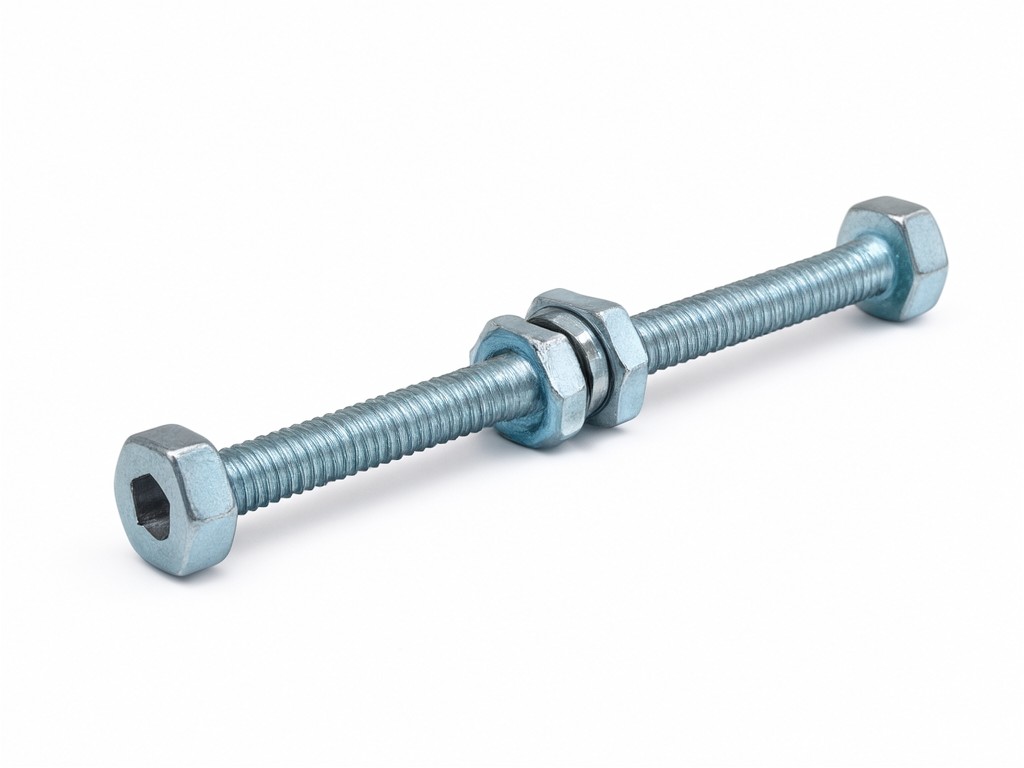
A double-ended fastener with a center nut suits installations where both ends need threaded engagement but the installer also needs a central gripping or adjustment point. Compared with a plain stud and loose nut, a defined center feature can reduce the number of loose parts at assembly and keep the interface in a known position. It adds machining or retention work, so it is not a cost-saving substitution when a standard stud already fits the installation.
Balance and load analysis shows where the trade-off matters: a long central section or a large nut can add bending leverage, while a small center feature may leave too little tool access. Buyers should provide the installation load, engagement length at each end, mating material, and available wrench clearance. Those inputs guide the center width and thread engagement; a drawing that specifies only overall length leaves key fit and service details unresolved.
| Order pattern | Cost and schedule effect | Best fit |
|---|---|---|
| Pilot or low-volume run | CNC setup and custom tooling are spread across fewer pieces, so unit cost is higher. Existing bar stock and a simple center profile can shorten preparation. | Design validation or a private-label item with uncertain first-year demand. |
| Repeat production | Dedicated fixtures and repeatable thread operations require an initial setup investment; larger releases spread that cost over more pieces and support planned material purchasing. | A settled drawing, forecast-backed releases, and consistent reorder requirements. |
What Can Be Customised and What Cannot
Thread diameter, pitch, hand, end length, overall length, center-nut position, across-flats dimension, and end chamfer can follow a buyer drawing. Material and finish can also be specified, subject to the load, corrosion exposure, and mating parts. A machined steel body with thread-rolled ends is a practical route when the geometry permits rolling; the center feature can be machined as part of the body or assembled as a separate nut where the drawing calls for that construction.
Drawing-Driven Choices
Specify the thread system, tolerances, material grade, surface finish, center feature position, and whether the nut is fixed or free to turn. A mating-part sample can resolve fit questions that are absent from a two-dimensional drawing.
Limits to Confirm Before Tooling
Thread rolling needs enough material and suitable geometry at each end. A very short thread, unusual pitch, or tight shoulder transition may require a different thread-making route and a revised price. Plating also adds thickness, so the thread fit must be set with the finish in mind.
Material substitutions are not interchangeable by name alone. Carbon or alloy steel may suit load-bearing applications where a specified protective finish is acceptable; stainless steel may be selected for a more corrosive environment, but the grade and mating interface still need review. No coating can correct a mismatched thread or an undersized engagement length.
Working as a Production Partner, Not a Catalogue Supplier
Consistency depends on holding one approved drawing revision, material definition, and finish across sample approval and repeat orders. A quotation review should settle the center-nut retention method, thread callouts, dimensional reference points, and packaging quantity before the first production release. That prevents a common sourcing complaint: a part that matches the sample visually but differs at the mating thread or center position.
For a new design, CNC turning keeps early setup flexible and avoids premature investment in dedicated forming tools. Once the drawing and forecast stabilize, fixtures and thread-rolling setup can be assessed against expected annual volume. Higher volume can lower the per-piece share of setup and tooling, but a committed production window and material reservation may be needed to protect repeat supply. The unit-price comparison should therefore include setup charges, release quantity, and lead time—not just the quoted piece price.
Private-label orders can use buyer-defined part numbers, bag quantities, and carton marks. Send artwork or label data with the purchase specification, then approve the sample configuration before print release. Changes to thread pitch, material, finish, or nut retention after approval can reset setup and affect the delivery window.
Export Packaging and Handling Protection
Thread damage and finish abrasion are the main avoidable transit issues for this part. Separate layers or compartmented inner packs reduce metal-to-metal contact; sealed bags can help limit moisture exposure during storage and shipment. Choose pack quantity around the importer’s receiving and line-side handling needs, then confirm carton marks and gross weight limits before dispatch.
| Packaging level | Protection and handling | Buyer specification |
|---|---|---|
| Inner pack | Bagged or divided quantities limit thread contact and simplify stockroom issue. | Pieces per pack, bag material, part identification, and lot marking. |
| Export carton | Carton strength and internal restraint should suit shipment duration, stacking, and the part’s finish. | Carton quantity, shipping marks, destination language, and pallet or container handling needs. |
Care, Storage and Service Life
Keep parts dry and in their original packaging until use, especially when the finish is intended to limit corrosion. Damp storage, salt residue, and contact with dissimilar metals can shorten service life or mark the surface. For installations exposed to chemicals, outdoor weather, or repeated washdown, specify the exposure before selecting material and coating.
Use the specified mating thread and installation torque rather than forcing a mismatched nut onto the bolt. Cross-threading can damage the first engaged threads; excess torque can stretch the fastener or deform the center feature. If a component is removed for service, inspect the threads and finish before reuse, and replace parts with visible deformation, corrosion, or thread damage.
Review Your Quotation
Send the drawing, annual volume estimate, target release quantity, material and finish requirements, and preferred export pack. We can review the construction route, tooling allocation, and lead-time assumptions against your existing specification before you approve a sample or production order.