


Specifying custom stainless steel square bend u bolts suppliers for Wholesale and OEM Orders
Selection trade-off: 304 stainless steel suits many general outdoor and washdown installations; 316 is the usual consideration where chloride exposure or frequent salt contact raises corrosion risk. Confirm the bend, leg length and thread against the mating assembly before matching a second source.
When a brand extends an existing range, a square bend U bolt may look like a simple formed fastener, but small dimensional differences can make a replacement part difficult to install. OEM buyers and distributors qualifying a second source need the same inside width, leg length, thread and bearing fit as the current part—not just a similar nominal diameter.
Custom production typically starts with stainless rod or bar formed to a square profile, followed by end finishing and thread production. Material grade, bend geometry and thread details are agreed from the drawing or approved sample. That definition gives both suppliers a usable basis for repeat orders and incoming inspection.
Measured Performance in Real Use
Outdoor mounting and washdown expose the practical differences between material and surface choices. Stainless steel does not remove the risk of corrosion in chloride-rich conditions: trapped moisture, deposits around the bend, or iron contamination from contact with carbon steel can leave staining or localized attack. Where salt spray, pool chemicals or coastal exposure form part of the service environment, specify the grade for that exposure and keep the part surface free of embedded shop debris.
UV does not normally degrade the stainless body, though repeated outdoor exposure can affect non-metallic components used with the fastener. Abrasion from installation or movement can mark the surface and may expose contamination transferred during handling. For repeat service, buyers should also check thread engagement and nut fit after installation; stainless threads can gall under excessive tightening or poor lubrication. A defined installation practice matters as much as the material grade.
Serviceability check: Confirm the inside width against the clamp or support, then verify thread diameter, pitch and usable thread length with the mating hardware. A matching grade alone cannot compensate for a bend that sits unevenly or legs that do not reach the nut engagement point.
Size, Weight and Specification Range
A usable specification begins with the geometry that controls fit. State whether the inside width is measured between the legs and identify the point used to measure inside height. Include rod diameter, leg length, thread form and the bend corner detail; otherwise, two suppliers may interpret the same sketch differently. Unit weight follows material density and finished dimensions, so it is best confirmed from the approved part rather than estimated from a nominal size.
| Customization point | What to define for a quote | Fit or cost effect |
|---|---|---|
| Rod diameter and leg length | Finished diameter, end-to-end leg length and any tolerance shown on the drawing | A larger section uses more material and may require different forming and threading setup. |
| Square bend geometry | Inside width, inside height, corner radius and measurement datums | The bend must clear the mounted section while keeping the legs aligned with the holes. |
| Thread and end detail | Thread diameter, pitch, threaded length, end chamfer and nut requirements | Thread production and inspection affect setup time and interchangeability with existing hardware. |
| Material and finish | Stainless grade, required surface condition and any post-forming treatment | Grade and finishing requirements affect raw-material cost and suitability for the stated environment. |
For a second-source approval, retain the dimensioned drawing and a signed-off sample as the reference. If the original part has no drawing, record the measurement method and critical dimensions before production tooling is set.
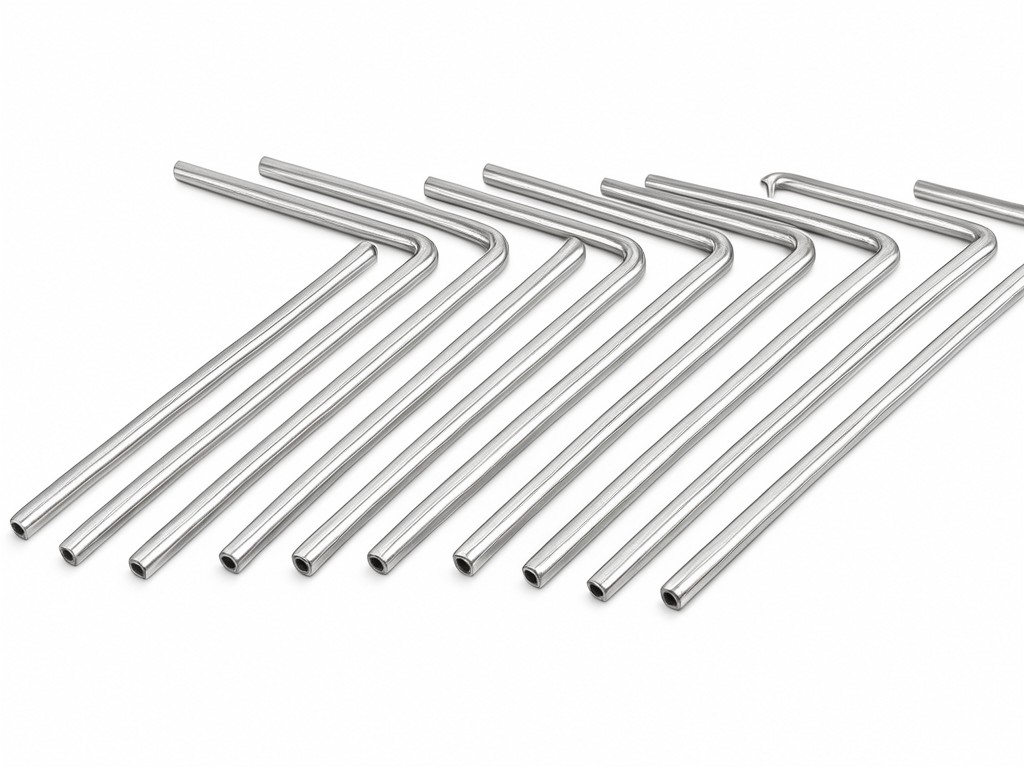
How to Choose Before Requesting a Quote
For a like-for-like replacement, send the current drawing, part sample or both. A photo helps explain orientation but does not establish dimensions, thread pitch or the bend datum. Mark which dimensions control fit and which can vary; that distinction lets a supplier quote tooling and inspection around the parts that determine assembly.
Choose 304 when the documented environment is general outdoor or indoor service without persistent chloride exposure. Consider 316 when salt, coastal air or chemical washdown is a known condition; the material premium is tied to that exposure, not a blanket improvement for every installation. Request confirmation of material identification and surface requirements in the quote so subsequent lots follow the same basis.
Clarify order quantity, annual demand, target release dates and whether each order repeats one configuration or several. Include mating nuts or washers only if the supplier is expected to source them, and specify their grade separately. For a dual-source programme, agree the first-article approval route and dimensional records before the first production release.
Usage Scenarios and Buyer Segments
On a club programme that reorders twice a season, a distributor may need the same U bolt for maintenance and replacement across multiple equipment batches. Matching the inside width and thread to existing stock reduces installation delays and avoids splitting inventory between near-identical parts.
For OEM assemblies installed outdoors, procurement teams should describe the mounting surface, clamp load path and exposure to rain, salt or cleaning chemicals. A square bend is selected when it must sit around a flat-sided member or bracket; the bend dimensions need enough clearance without leaving excess movement at the joint. In washdown areas, cleaning residue and trapped moisture around contact faces deserve attention during service inspections.
Private-label buyers may consolidate several dimensions under one supplier while keeping separate part numbers and approved samples. That arrangement can simplify sourcing, but only if drawings distinguish the dimensions, thread details and grade for each item. Keep material and dimensional records tied to the part number so replacement orders remain traceable to the qualified configuration.
Capacity, Tooling and Scheduling
During a private-label launch with a fixed ship date, timing depends on drawing approval, forming-tool readiness, sample acceptance and the production slot—not only the time needed to make the parts. Existing forming tools may shorten setup for a close configuration, but a different inside width, corner shape or rod diameter can require a new tool or a trial adjustment. Ask for a schedule that separates sample approval from the production run.
Inspection should follow the features that control installation and service. A practical plan checks material documentation, formed geometry, leg alignment, thread fit and visible surface condition. The acceptance limits should come from the agreed drawing or approved sample; no generic inspection claim can replace dimensions and tolerances that the buyer has not defined.
| Inspection point | Factory check | Acceptance reference |
|---|---|---|
| Material identity | Review material records and use an agreed identification check where required. | Purchase specification and material grade named on the approved drawing |
| Bend and leg geometry | Measure inside width, inside height, leg length and alignment with suitable gauges or dimensional tools. | Drawing datums, stated tolerances and first-article approval |
| Thread fit | Check diameter and pitch with suitable gauges; confirm fit with the specified mating nut when required. | Thread callout and approved mating hardware |
| Surface condition | Visual examination for handling marks, contamination, burrs and damage that could affect fit or cleaning. | Agreed finish description and approved sample |
To qualify a second source, compare the first-article report against the incumbent drawing and record any approved deviation before the production order. For a tooling review, share the drawing or sample, target quantity, material grade and required delivery window through our contact page. That information gives the supplier a basis to assess forming setup, inspection scope and a workable schedule.