


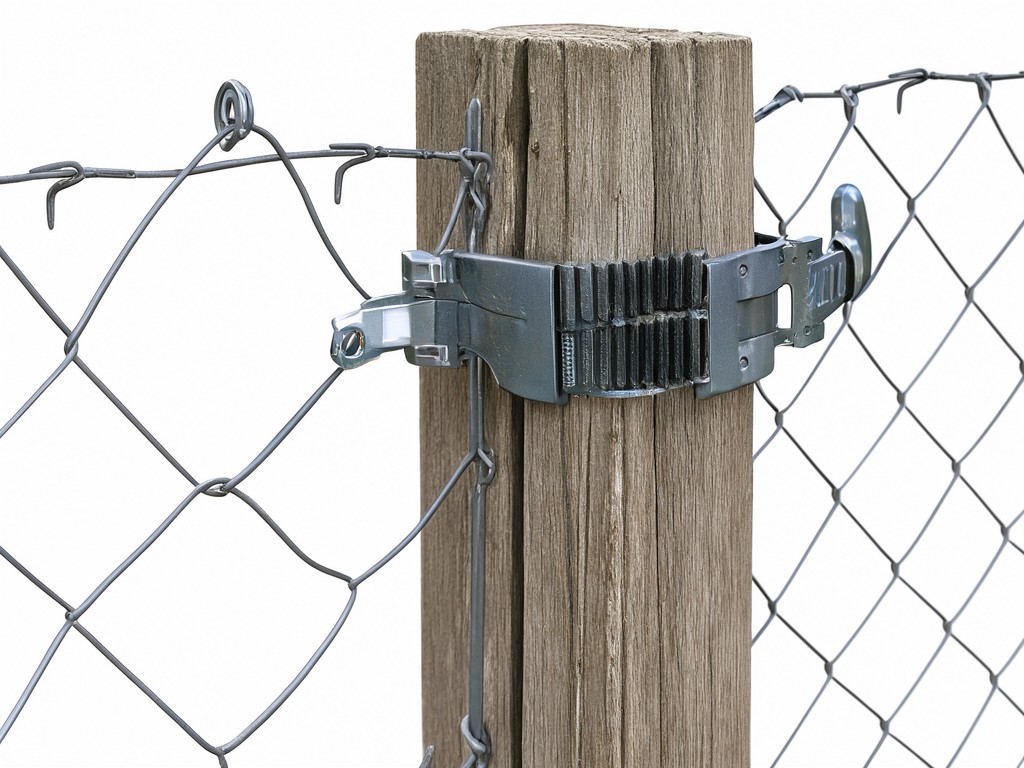
Custom u bolt ground clamp for fence post supplier: Specification, Ordering and Quality Notes
The build method decides how closely each clamp matches the post, conductor and installation drawing. For bulk orders, the practical cost measure is serviceable units sold: a clamp that fits without field modification is less likely to generate returns, replacement freight or installation delays.
Construction Method and Its Effect on Consistency
A typical build uses a cold-bent steel U-bolt, rolled threads, and a stamped saddle or contact plate. The drawing should define post diameter, conductor size, clamp orientation, thread engagement and contact surfaces before tooling or production approval. Coating must not cover a surface intended to make electrical contact unless that contact design has been specifically validated.
Bend radius and leg spacing control how the U-bolt seats around the post; thread position controls whether the nut tightens evenly against the saddle. A small change to either can cause rocking, uneven pressure or a clamp that bottoms out before it grips. Agree the critical dimensions and their tolerances against a physical sample or dimensioned drawing, not a catalogue description alone.
Post Fit
Set the clamp to the measured post outside diameter and shape. Round, square and irregular posts need distinct fit checks.
Conductor Seat
Specify conductor type and size, plus whether the design uses a groove, plate or other contact feature.
Production Route
Cold forming suits repeat U-bolt geometry; stamped saddles support consistent profiles at volume. Custom tooling affects setup cost and approval timing.
Where This Product Beats Standard Alternatives
Process choice shows up later as fit variation, installation time and avoidable service calls. A clamp specified for the actual post profile and conductor is less likely to need washers, altered hardware or a second tightening attempt than a general-purpose clamp chosen by nominal size alone.
The trade-off is upfront specification work. A standard size can cost less per unit at low volume, while a custom saddle or U-bolt dimension may reduce fit-related returns across a larger programme. Stainless steel can suit corrosive exposure, but it usually carries a higher material cost than carbon steel with a zinc finish. Confirm compatibility between the post, conductor, clamp materials and exposure conditions; do not treat a finish colour as evidence of electrical suitability.
Matching the Product to the Buyer's Need
Consistency is set at the forming stage, but the purchase specification starts with the installation. Send the post outside diameter and profile, conductor details, required contact arrangement, exposure conditions and target finish. The figures below are preliminary planning ranges; the approved drawing and sample govern the production order.
| Configuration | Post Outside Diameter | U-Bolt Rod | Indicative Unit Mass | Material and Finish / Colour |
|---|---|---|---|---|
| Compact | About 25–40 mm | Typically 6–8 mm | Roughly 50–120 g | Carbon steel with zinc finish, or stainless steel; finish appearance by approved sample |
| General | About 40–60 mm | Typically 8–10 mm | Roughly 100–220 g | Zinc-finished carbon steel or stainless steel; clear, silver or other agreed appearance |
Mass varies with rod diameter, saddle thickness, nut selection and finish build. Ask for a weighed pre-production sample if freight costing or retail pack weight depends on a narrow target. Finalise colour references and any private-label marking on the sample record before the production release.
Buying Mistakes That Lead to Returns
Returns often start with a missing interface detail rather than a visible defect. Confirm the installation dimensions and contact design in writing before the order quantity is fixed.
- Ordering against a post's nominal size instead of its measured outside diameter can leave the legs too wide or the saddle unable to sit flat.
- Approving the U-bolt alone does not approve the assembled clamp. Check saddle profile, nut travel, thread engagement and conductor seating as one assembly.
- Selecting a finish by colour only can miss corrosion exposure or contact-surface requirements. Record finish type and identify any surfaces that must remain free of coating.
- Changing the drawing after sample approval can alter fit, mass or tooling. Issue one controlled revision and retain the signed sample or reference record.
- Assuming a general-purpose clamp meets a specific electrical requirement can create a compliance gap. State the intended requirement and arrange the relevant validation before sale.
OEM and ODM Programme Structure
For an OEM order, the buyer supplies the controlled drawing, material and finish requirements, tolerances, marking artwork and packing instructions. The factory reviews manufacturability, confirms open dimensions and prepares a sample for fit and appearance approval. Production should start only after the buyer signs off the sample and drawing revision.
An ODM request can begin with a post sample, a conductor specification or a marked-up sketch. The supplier develops the U-bolt and saddle arrangement, then prices the tooling and sample stages separately from the unit cost. Tooling amortisation, finish selection, pack format and order quantity all affect cost per sellable unit; compare those costs against expected fit-related replacements and handling before choosing the lowest quote.
Send vector artwork for marks or labels, define the permitted mark area, and approve a physical or digital proof before the first run. If you need to discuss drawings, sample timing or a private-label pack plan, share the project requirements with our team.
What Gets Checked Before Shipment
Inspection follows the approved drawing and sample, with attention to dimensions that affect fit and tightening. The inspection plan should name the sampling level or lot quantity agreed for the order; no single set of checks substitutes for a buyer's specific electrical or corrosion validation requirement.
Dimensional and Assembly Checks
Measure rod diameter, leg spacing, bend dimensions, thread length and saddle profile. Assemble a sample against the specified post size to confirm seating and nut travel.
Finish and Order Checks
Inspect coverage, visible defects and agreed colour or finish appearance. Confirm count, hardware, labels, carton identification and packing against the order record.
Where the grounding function has a defined performance requirement, agree a suitable test method and acceptance criteria before production. Keep lot identification linked to the inspection record so a distributor or procurement team can trace a shipment to its approved configuration.
Discuss the Specification Before Ordering
Send the post dimensions, conductor details, drawing or sample, finish preference, annual volume and packaging needs. We can review the specification, identify open approval points and prepare a project quotation around the intended order quantity. Start a project discussion.