


Custom u bolt pipe clamp manufacturers - Bulk Supply and Specification Guide
Deflection under load governs the clamp’s working geometry: rod diameter, leg length, bend radius and the contact surface all affect how force transfers to the pipe and support. A lighter section can lower purchase cost, but if it deforms or corrodes in service, replacement and downtime can raise cost per unit sold. Set the clamp dimensions and finish from the pipe, support and exposure conditions before comparing unit prices.
For a cost comparison that holds after installation, specify the pipe outside diameter, support arrangement, rod material, thread and finish together. A clamp price without those details may not describe an interchangeable part.
Scope of Supply and Physical Form
| Supply detail | Typical specification route | Buyer decision |
|---|---|---|
| U-shaped rod body | Carbon steel or stainless steel; rod diameter, inside width, bend radius and leg length set from the drawing. | Confirm pipe outside diameter and clearance to the support before tooling approval. |
| Threaded legs | Thread size, pitch, usable length and end form follow the mating nut and installation design. | Specify whether nuts are included and whether threads must remain clear after coating. |
| Finish and hardware | Options include zinc-plated carbon steel, hot-dip galvanized steel or stainless steel, with a saddle or plate where the design calls for one. | Match corrosion exposure, pipe contact and installation method rather than selecting by appearance alone. |
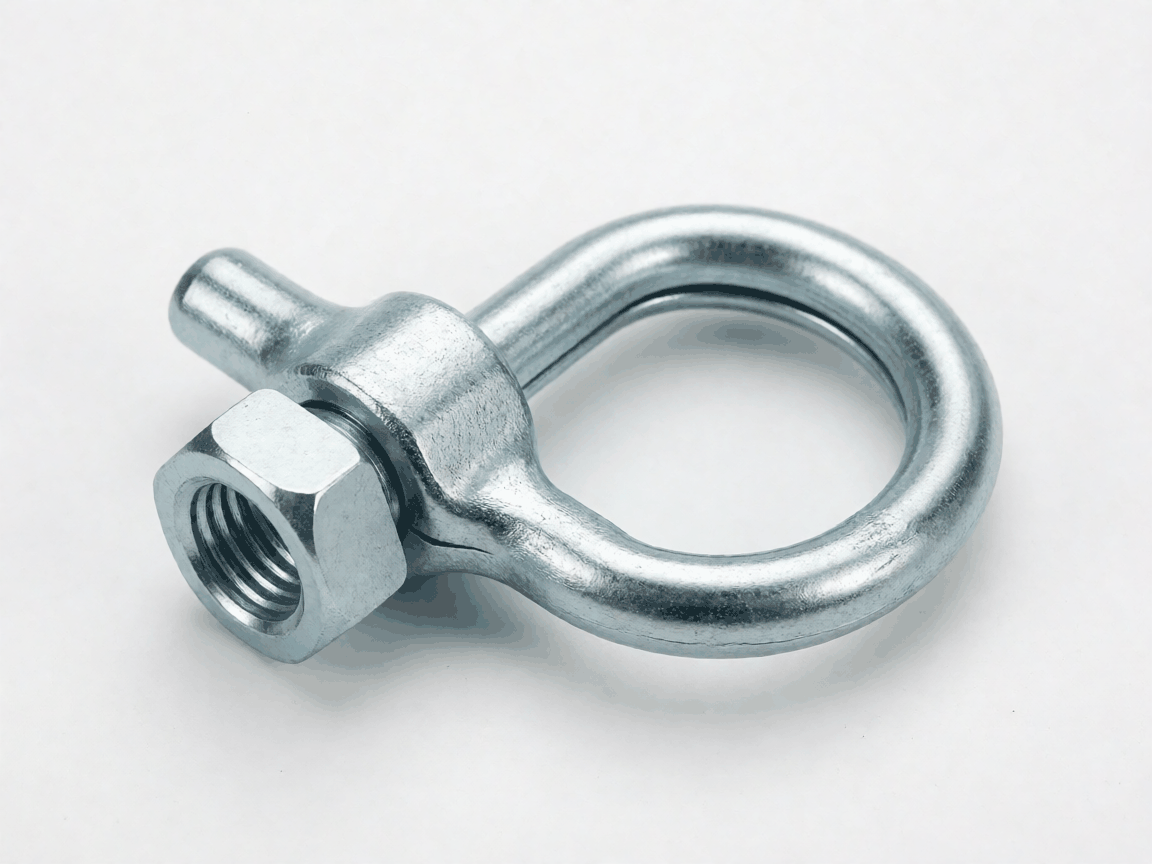
The standard form is a round steel rod bent into a U, with threaded ends that pass through a support or plate. Manufacturers can supply the rod clamp alone or package it with nuts, washers, a saddle or a backing plate. Custom supply is generally drawing-led; confirm whether dimensions refer to the pipe centreline, inside bend or finished part before approving a sample.
For repeat orders, define the finished inside width and leg projection as controlled dimensions. That keeps the part fit consistent across pipe sizes and reduces sorting or field adjustment.
Where Cheaper Alternatives Fall Short
A low unit price can come from reduced rod diameter, a tighter or uneven bend, short thread engagement, or a thinner coating. Each change affects fit or service life in a different way: an undersized body can deflect under clamp load, while excess coating at the thread can slow assembly or require rework.
Outdoor UV exposure does not usually attack the steel itself, but it can degrade adjacent polymer pads or identification labels. In pool-water or washdown service, chlorine-bearing moisture and cleaning chemicals can accelerate corrosion on unsuitable finishes; abrasion during handling can also expose bare areas. Choose the finish from the actual exposure and contact conditions, then compare total replacement and installation cost rather than the invoice price alone.
For any application with a defined load requirement, provide the load direction, support geometry and installation details for engineering review. Do not treat a visually similar clamp as load-equivalent without those checks.
Size, Weight and Specification Range
Balance and load analysis shows why pipe outside diameter alone is not enough to release a U-bolt drawing. Inside width, leg length, thread engagement and the support stack-up determine whether the clamp seats correctly and can be tightened as intended.
Custom ranges depend on the manufacturer’s forming and threading equipment; small and medium industrial clamps commonly use rod diameters in the approximate 6–16 mm range, while larger sizes require project-specific review. Those figures are a planning guide, not a load rating or a substitute for a drawing. Finished weight varies with rod diameter, leg length, included hardware and coating build.
- Show pipe outside diameter, clamp inside width, overall leg length and bend radius on the approved drawing.
- State thread size and pitch, usable thread length, nut type and any washer or plate requirements.
- Identify material grade and finish separately; “stainless” or “galvanized” alone may not define the required corrosion performance.
- Use an agreed finished-weight tolerance only where weight is a practical packing or product-control measure.
Option Comparison by Usage Level
The least-cost construction is sensible for dry, sheltered installations with limited corrosion exposure. More exposed locations justify a different material or finish when reduced replacement frequency offsets the higher part cost.
General Indoor Service
Zinc-plated carbon steel usually offers the lower purchase cost for dry plant rooms and protected pipe runs. Confirm coating coverage and thread fit; this route is less suitable where frequent wet cleaning or chemical contact is part of normal service.
Outdoor or Washdown Service
Hot-dip galvanized steel or a specified stainless grade may suit outdoor pipework, regular washdown or pool-system exposure, subject to the chemistry and installation details. The higher material or finishing cost buys a corrosion-resistance route, not immunity to every chemical or crevice condition.
Where the clamp contacts a coated, lined or soft-surface pipe, include the contact detail in the design review. A bare metal edge or excessive tightening can damage the pipe surface regardless of the clamp finish.
OEM and ODM Programme Structure
A buyer-supplied drawing supports a direct OEM route; ODM development is useful when the clamp geometry, assembly pack or finish specification still needs definition. The commercial target should be cost per unit sold, so evaluate material use, assembly time, packaging and expected replacement exposure together.
- Submit drawings or a dimensioned sample with pipe size, support arrangement and intended service environment.
- Review the proposed material, finish, thread and included hardware before approving the first production sample.
- Set branding, carton identification and batch marking requirements before the purchase order.
New bend tooling or a non-standard thread can add setup cost and affect the first-order schedule. Consolidating repeat sizes or using a shared finish can reduce the cost per released part, provided the design remains suitable for each installation.
How Consistency Is Held Across Batches
Consistency depends on controlling the material specification, forming setup and drawing revision as one release package. U-bolt geometry can drift if rod diameter, bend tooling or springback compensation changes between runs; thread position can also vary if the forming and threading sequence is not held to the approved process.
A factory-side batch record should identify the material lot, drawing revision, finish route and hardware configuration. Keep the approved sample as the reference for fit and appearance, and flag any change in steel source, coating supplier or forming method for buyer review before production release.
For private-label programmes, agree the tolerances that affect installation first. Tighter control on non-critical dimensions can raise scrap and inspection cost without lowering field complaints; focus control on fit, thread engagement, coating condition and repeatable assembly.
Stock Availability and Reorder Planning
Standard rod sizes and common finishes may be easier to replenish than a custom bend, unusual thread or special stainless grade. Availability changes with order mix and finish capacity, so confirm the current lead time and material position before setting a launch or replenishment date.
Use a rolling forecast for repeat programmes where demand varies by pipe size. A call-off plan can reduce urgent freight and production changeovers, while a buffer stock should be based on the cost of a stockout against the carrying cost of the finished clamp.
Freeze the drawing revision, finish and pack quantity for each reorder reference. A change to any one of these can affect fit, unit cost or shipment cube even when the product name stays the same.
Export Packaging and Handling Protection
Packaging must limit part-to-part abrasion, protect exposed threads and keep corrosion-sensitive finishes dry during storage and transit. Long legs and protruding threads can pierce light cartons when bundles shift, so pack strength and internal separation should reflect clamp size and shipment handling.
| Packaging point | Bulk supply approach | Confirm before shipment |
|---|---|---|
| Part separation | Bundle or layer parts to reduce metal-on-metal scuffing; protect threaded ends where transit movement could cause damage. | Pack quantity, divider or end protection, and carton weight. |
| Moisture protection | Use a dry inner pack suited to the finish and expected storage period; avoid trapping moisture against the metal. | Storage conditions, destination climate and any buyer-required protective material. |
| Carton and identification | Select carton strength for the packed weight and part shape; identify part number, finish, quantity and batch reference. | Shipping marks, barcode or label artwork, pallet pattern and export documentation needs. |
For private-label distribution, approve the carton label and unit count alongside the sample. That prevents receiving errors and avoids repacking after arrival.
Share the drawing, target order volume, destination market and service exposure for a project discussion. A custom U-bolt pipe clamp enquiry can then be priced against material, finish, tooling and export-pack requirements—not just the part count.