


Custom u bolts for scaffolding producer: What Buyers Should Check Before Ordering
A U-bolt can look correct on a drawing yet cost more per unit sold if its legs do not align with the scaffold connection, its threads bind after coating, or its finish wears through in service. Buyers should fix the interface dimensions and exposure conditions first; those choices shape fit, repeat orders and avoidable installation complaints.
Design Constraints Behind the Specification
Consistency depends on the dimensions that meet the scaffold assembly: inside width, inside height, rod diameter, bend radius, leg parallelism and usable thread length. If inside width is taken from the wrong tube or saddle reference, installers may have to force the legs apart or abandon the part. Specify whether dimensions refer to the clear opening or the bar centreline, and provide a drawing or a verified sample.
Balance and load analysis shows why a nominal rod diameter alone does not define suitability. Material grade, bend geometry, thread engagement, mating hardware and the way the load enters the assembly all affect performance. The U-bolt should be selected against the full connection design; do not treat a custom part dimension as a stand-alone load rating.
Drawing rule: state the measurement datum, thread length and acceptable leg alignment together. A width tolerance without a datum can still produce parts that do not fit the intended scaffold connection.
Construction Method and Its Effect on Consistency
Repeated assembly complaints often trace back to variation at the bend: one leg sits wider, the crown radius changes, or a bent section shows a surface crack. For a custom run, a plausible production route is to cut round bar to length, cold-form it in a matched fixture, then form the threads on the legs. The fixture controls the U shape from part to part; the bar grade and bend radius still need to suit the specified geometry.
Threading after forming avoids carrying pre-cut threads through the bend operation. The coating process then becomes another fit variable: zinc build-up can reduce usable thread clearance, and rough handling can mark a coated crown. Agree the finish and nut fit as one specification, especially when the buyer supplies the mating nuts. For a large rod diameter, tight bend radius or unusual material, confirm tooling feasibility before approving the production drawing.
Assumptions Buyers Should Stop Making
Deflection under load governs the connection design, not a visual comparison with a similar U-bolt. Buyers also report repeat costs when they assume that a standard tube diameter fixes every opening dimension, or that a coating will leave the thread fit unchanged. Those shortcuts shift the cost from the purchase order to rejected parts, slower installation and replacement stock.
Treat each of these as a separate decision in the specification:
- A nominal tube size is not a substitute for the actual saddle or connection opening; confirm the contact geometry.
- A longer threaded leg does not correct a mismatched bend or insufficient engagement with the mating hardware.
- A coating name alone does not define outdoor corrosion life; exposure, coating specification and maintenance conditions matter.
- A low piece price is not a saving if inconsistent fit increases field sorting, rework or warranty replacements.
Customisation Options and Their Limits
Choose the configuration from the connection outward. Each branch below narrows the specification to a buildable, priceable request; unusual dimensions may require dedicated forming and thread tooling.
- Start with the connection.
- If it clamps a known tube or saddle, provide its measured interface and the required clearance.
- If the assembly varies by supplier, send the mating component or approved sample before finalising the drawing.
- Set the geometry.
- For a repeat fit, define rod diameter, inside width, inside height, bend radius, leg alignment and thread length.
- For a revised size or thicker bar, confirm forming capacity and tooling cost before the order quantity is fixed.
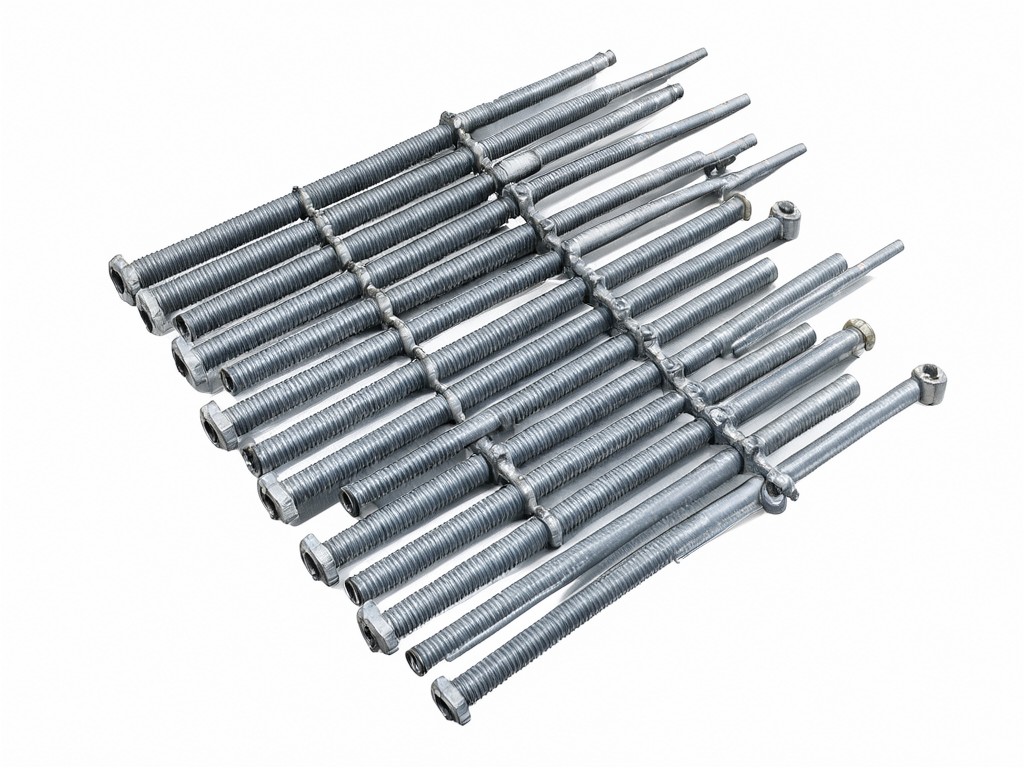
- Select material and finish against the service environment.
- For exposed outdoor use, specify the required corrosion protection and thread-fit condition after coating.
- For a less demanding exposure, compare the lower-cost finish against expected replacement and complaint costs.
Export Packaging and Handling Protection
Coating damage and bent legs can appear before a shipment reaches the installer if parts move freely in a carton or heavy bundles press against one another. Specify pack quantity and separation method alongside the finish. For wholesale or private-label distribution, carton labels should identify the part reference, size and batch so stock can be checked and reordered without opening every pack.
| Selection | Specification and trade-off | Packing direction |
|---|---|---|
| Electroplated zinc | A thinner zinc finish may suit less exposed service; confirm the required corrosion protection and nut fit with the buyer. | Use dry inner protection and separate parts enough to limit rubbing during transit. |
| Hot-dip galvanized | A thicker coating can better suit outdoor exposure, but zinc build-up must be accounted for at the threads and mating interface. | Protect threaded ends and prevent loose stacking that can abrade the coating. |
| Pack format and labels | Set pack quantity to suit warehouse handling and the buyer’s sales unit; include the agreed item reference and batch identification. | Use inner bundles or dividers to restrain movement, then size export cartons to the agreed order and freight plan. |
A coating choice is not complete until the buyer confirms the mating nut, thread clearance and packaging protection. Those details prevent a finish-related fit complaint from becoming a full-batch return.
Review the quotation against the drawing. Include the connection dimensions, material, finish, thread details, order quantity and export pack requirements. A joint review before production helps compare unit price with fit consistency, handling and replacement exposure.