


Direct Factory 1 4 20 hex flange bolt Exporter - Bulk Supply and Specification Guide
What This Product Is and Where It Fits
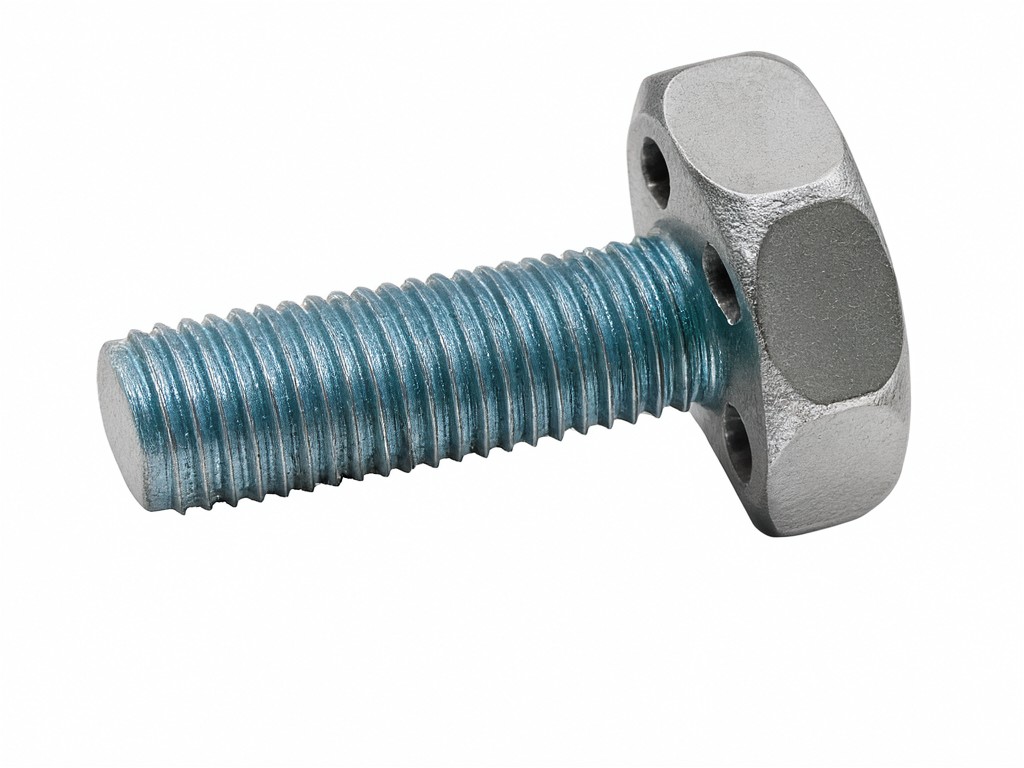
Most quality disputes start with a consistency gap: a replacement bolt looks close to the approved part but has a different thread fit, flange bearing diameter, or finish. A 1/4-20 hex flange bolt has a 1/4-inch nominal thread diameter, 20 threads per inch, a hexagonal head, and an integral flange that spreads bearing load beneath the head. Buyers use it in assemblies where a separate washer is not part of the approved joint design.
Production typically combines cold heading for the head and flange with thread rolling. The drawing or approved sample should define length, head dimensions, flange profile, thread fit, material, and finish; “1/4-20” alone does not define a complete interchangeable part. For a second-source qualification, align those details before comparing unit price or approving a sample.
Measured Performance in Real Use
Qualification rule: approve the bolt against the joint drawing and exposure conditions, not by thread designation alone. A coating that suits dry indoor storage may not protect a joint exposed to road salts, repeated washdown, or chloride-bearing cleaners.
Dimensional checks should cover thread diameter and pitch, under-head length, hex size, flange diameter, and bearing-face condition. Thread gauges verify fit; sample assembly checks reveal interference or an unexpectedly proud head. Torque testing belongs to the assembled joint because substrate, lubrication, and mating-thread condition all affect clamp load.
For outdoor or frequently cleaned equipment, select material and finish around the actual chemical and moisture exposure. Zinc-plated carbon steel can be a cost-conscious choice for controlled indoor service, but coating damage at contact points can expose the base metal. Stainless steel can improve corrosion resistance, while its grade, galling risk, and cost still need review against the mating hardware and assembly method. UV exposure usually affects nearby polymers and packaging more directly than the metal fastener itself.
Comparing Two Standard Configurations
| Selection point | Zinc-plated carbon steel | Stainless steel | |
|---|---|---|---|
| Typical reason to select | Lower material cost for dry or mildly corrosive service where the specified coating remains intact. | Greater corrosion resistance for exposed assemblies, subject to grade and environment selection. | Coating wear, red rust, and contact damage; suitability depends on the specified coating system. |
| Exposure consideration | Repeated abrasion, wet storage, or aggressive cleaners can shorten coating service life. | Chlorides and dissimilar-metal contact can still cause problems; confirm grade and joint conditions. | Check the mating material and assembly method. Stainless fasteners may need a controlled tightening procedure to limit galling. |
| Buyer decision | Confirm coating specification, appearance, and corrosion acceptance criteria before order release. | Confirm the stainless grade, required mechanical properties, and finish with the supplier. | Keep material and finish fixed across comparison samples so price and field performance remain comparable. |
The lower-cost option is not a direct substitute if the original joint relies on a different material strength, coating thickness, or friction condition. Record the approved material and finish in the purchase specification, then assess any proposed change with the joint owner.
Working as a Production Partner, Not a Catalogue Supplier
Drawing-led production
We review the head, flange, length, thread, material, and coating callouts together. That review flags dimensions that may need a forming or finishing adjustment before sampling.
Controlled process handoff
Cold heading and thread rolling are matched to the selected blank and geometry. Finish processing follows forming, with checks on appearance and critical dimensions after the steps that can affect them.
For second-source approval, retain the signed drawing revision, sample disposition, material and finish definition, and agreed inspection points as one controlled reference. If a proposed alternate changes coating, steel grade, flange geometry, or thread fit, treat it as a change request rather than a silent substitution.
Volume Planning and Lead Time
- Send the drawing or a measured sample with annual demand, release quantities, material, finish, and inspection requirements.
- Review the production route and any dedicated tooling requirement before sample timing is confirmed.
- Approve the sample and packaging details before the first production release.
- Set forecast windows and shipment cadence around your stock cover; split releases may help balance inventory and factory scheduling.
Lead time depends on drawing approval, raw material availability, finish capacity, tooling status, order quantity, and export packing requirements. A repeat order with unchanged specifications is easier to schedule than a launch order that still has open material or coating decisions. Confirm the current production window against the requested ship date before committing downstream deliveries.
Packing, Marking and Freight Configuration
| Packing point | Options to confirm | Buyer check |
|---|---|---|
| Inner pack | Bulk bags, boxes, or buyer-defined pack quantities. | Check handling quantity, part separation, and label data for receiving. |
| Corrosion protection | Dry packing or a suitable barrier selected for the finish and transit conditions. | Consider sea freight humidity, storage duration, and whether packaging can mark or abrade the finish. |
| Outer carton and marking | Carton strength, part number, lot or batch reference, quantity, and destination labels as agreed. | Approve label artwork and pallet or container loading instructions before shipment. |
Fasteners can rub together during long transit, which may damage a thin coating or leave visible marks. Match the inner pack and corrosion barrier to the finish, transit route, and expected warehouse dwell time. Batch identification on the carton supports traceability when a buyer receives multiple production lots.
Setup, Use and Replacement Parts
A 1/4-20 thread designation does not establish bolt length, material strength, coating, or compatibility with every nut and tapped hole. Match replacement parts to the released drawing and verify the mating thread before assembly.
Use the specified tightening method and avoid uncontrolled lubricant changes; lubrication can alter torque-to-clamp-load behaviour. Where assemblies see repeated cleaning, remove residues that can remain trapped at the flange interface, then inspect for coating damage, corrosion, looseness, and thread wear at the maintenance interval set by the equipment owner.
Replace fasteners with damaged threads, a distorted flange, or corrosion that affects the bearing surface. Do not reuse a bolt where the joint specification calls for replacement after removal or where the fastener has experienced overload.
Ordering, Tooling and Lead-Time Questions
What information is needed to quote a 1/4-20 flange bolt?
Provide a drawing or sample plus required length, head and flange dimensions, thread fit, material, finish, annual volume, order release size, and inspection or packaging needs.
When might dedicated tooling be required?
A non-standard head, flange profile, or forming detail may require dedicated tooling. Tooling scope and sample timing can be confirmed after drawing review; existing production tooling may suit standard geometry.
Can a sample be supplied before a bulk release?
Yes. Agree on the sample quantity, material and finish, dimensional checks, and approval record first. Production timing follows the approved specification and confirmed schedule.
Qualifying a second source? Send your drawing or current sample for a specification review and sample request. Confirm the finish, inspection scope, and packing requirements before production approval.
Request a sample and discuss your bulk supply requirements