


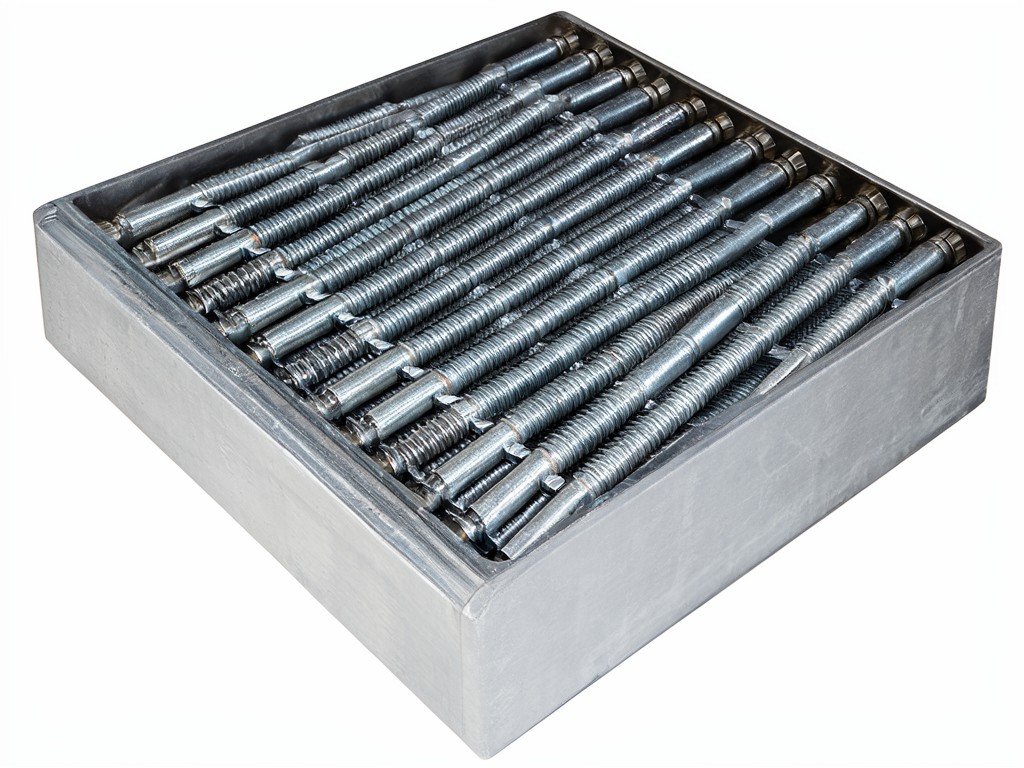
Specifying Direct Factory cargo box u bolts solution for Wholesale and OEM Orders
Returns usually trace back to the same weak point: a U-bolt that fits one cargo box production lot but not the next. Small drift in inside width, leg length or thread position can slow installation, trigger replacements and put a retail launch date at risk.
For wholesale and OEM orders, specify the mounting geometry from the cargo box and vehicle interface, not from a nominal bolt size alone. A factory order can cover formed steel U-bolts, matching nuts and washers, with dimensions, finish and packing set against an approved drawing.
Where Cheaper Alternatives Fall Short
A low unit price often reflects looser control of the bend and thread locations. If the inside width is narrow, the legs can bind against the mounting channel; if it is wide, the clamp may sit off-centre. Uneven leg length or a shallow threaded section can leave too little adjustment for the supplied bracket and nut.
The cost shows up at receiving and installation: operators sort parts, buyers replace mismatched kits, and dealers wait for fitment corrections. A consistent rod diameter, bend profile and thread position usually matters more than adding material where the mounting design does not call for it. Locking the drawing and sample before the production run reduces the risk of a reorder drifting from the first shipment.
How It Performs in Use
The U-bolt legs pass around the cargo-box mounting flange or bed rail, then nuts draw the clamp plate against the assembly. Fit depends on inside width, inside height, rod diameter, thread pitch and usable thread length. Confirm those dimensions against the actual mounting stack before setting production tolerances.
A practical factory route is to cut steel rod, form the threaded ends, cold-bend the U profile to the approved geometry, then apply the specified finish and pack the matching hardware. Zinc-plated carbon steel is a cost-conscious choice for typical protected installations. Where road spray or frequent wet exposure is expected, a corrosion-resistant grade or a specified heavier coating may suit the service conditions better; coating build must still leave the threads usable with the selected nuts.
Clamp force is set by the complete mounting design, including the cargo-box flange, backing plate and installation instructions. Do not raise tightening torque to compensate for a poor fit. For OEM orders, provide the approved torque or assembly requirement so the factory can check nut engagement and trial fit without substituting an unsupported load target.
Measured Performance in Real Use
| Check point | Why it matters in service | Factory verification |
|---|---|---|
| Inside width, inside height and leg length | Controls fit around the rail or mounting flange and available nut adjustment. | Measure against the approved drawing and check representative parts from each lot. |
| Rod diameter and bend symmetry | A change can affect clamp seating, bracket alignment and installation feel. | Check diameter and compare formed parts in a fit gauge or approved assembly fixture. |
| Thread pitch, length and nut fit | Thread mismatch or coating build can cause binding or reduce usable engagement. | Verify thread details from the order drawing and trial-fit the specified nut after finishing. |
| Finish coverage and set weight | Finish damage can expose steel; weight drift can flag a change in rod or kit contents. | Inspect finish condition and compare sampled finished sets with the approved reference. |
Set acceptance limits against the approved drawing and intended environment. A factory can record sampled dimensions, finished-set weight and assembly fit by production lot, giving purchasing a practical basis to compare repeat orders without treating a single sample as proof of every shipment.
Packing, Marking and Freight Configuration
Bulk Cartons
Choose bulk packing for warehouse or assembly-line supply where the buyer handles kitting. Separate layers or internal dividers help limit finish contact and tangling during transit; carton quantity and gross weight can be set to the buyer’s receiving plan.
Matched Installation Sets
For dealer or retail distribution, pack each U-bolt with its specified nuts, washers and clamp plate when required. A set label can carry the buyer’s part number, quantity and lot reference so receiving teams can separate fitments without opening every package.
Agree carton dimensions, set count, label data and export marks before production packing begins. If the launch schedule is tight, artwork approval and carton specification should run alongside sample approval; late changes to labels or pack quantities can hold finished goods after the hardware itself has passed inspection.
Questions Buyers Ask Before Ordering
Which dimensions should be fixed before quotation?
Provide rod diameter, inside width, inside height, leg length, thread pitch and threaded length, plus the mounting stack or a dimensioned drawing. Identify any washer, nut or clamp-plate requirements. A sample can help confirm the interface, but the approved drawing should control repeat production.
Can the finish change without affecting fit?
It can affect thread clearance and nut feel, especially where coating thickness changes. Confirm the finish before sample approval, then check nut fit on the finished part. A move from plated carbon steel to stainless steel also changes material cost and may require the buyer to review the mating hardware.
What helps protect a fixed launch date?
Release the drawing, finish, hardware list, carton plan and label artwork together. Confirm the sample approval date and required shipment window before booking production; changes to thread details or packing after release can add review and rework time.
For a quotation review, send the drawing or sample details, required finish, set contents, target order quantity and ship date. Contact the factory team to review fitment, lot controls and freight configuration before the order is released.