


Discount A449 countersunk bolts supplier - Bulk Supply and Specification Guide
What This Product Is and Where It Fits
Fatigue often starts where the countersunk head meets the shank or where the first engaged thread concentrates stress. A449 identifies mechanical requirements for quenched-and-tempered steel bolts, studs and anchor bolts; it does not, by itself, define a countersunk head profile. For a private-label or import program, the drawing must specify the head geometry alongside the required A449 properties.
Cold heading suits many smaller diameters, while larger or nonstandard forms may require hot forming or machining. The cost decision is not simply the lowest piece price: dimensional drift, coating damage and premature replacement can raise cost per unit sold. Match the production route to the approved drawing, order volume and service exposure.
Standard scope
A449 bolt and stud scope commonly covers nominal diameters from 1/4 to 3 inches. Confirm applicability for the specific product form and governing specification edition.
Head geometry
Countersink angle, head diameter, head height and under-head transition come from the drawing or agreed sample, not from the A449 designation alone.
Mass and packing
Piece weight depends on diameter, length and head form. Use a drawing-based mass for freight and carton planning rather than a generic catalogue value.
Where Cheaper Alternatives Fall Short
Repeat loading exposes differences that a visual check can miss. A substitute with a lower strength class, inconsistent heat treatment or a thin head section may pass initial assembly but loosen, deform or fatigue under service loads. The resulting field replacements and inspection labour can outweigh a modest unit-price saving.
Finish choice also changes the economics. Chloride cleaners, washdown and condensation can attack exposed steel at scratches or damaged edges; ordinary UV exposure does not degrade the steel itself, although it can affect some organic topcoats and packaging. Select protection for the actual environment, then check that the coating process and finished dimensions remain compatible with the strength requirement and countersink fit.
Cost check: Compare landed cost per accepted, installed bolt—not price per purchased piece. Include rejected parts, coating or thread damage, replacement frequency and the cost of verifying incoming lots.
Design Constraints Behind the Specification
A countersunk head must seat against its mating recess without bearing only at the rim. Specify the included angle, head diameter and head height, plus any flushness tolerance; a mismatch can leave the head proud or concentrate load at a narrow contact band. The head-to-shank transition also needs enough material for the intended load path.
Thread diameter, pitch, tolerance class, thread length and engagement depth should be fixed before tooling approval. Heat treatment establishes the required mechanical properties, while forming and any finish operation must preserve the drawing dimensions. If a coating changes thread clearance or seating, qualify the finished part—not only the uncoated blank.
For cost control, keep critical-to-fit dimensions explicit and leave noncritical features at practical production tolerances. A fully machined head may suit a short run or unusual profile, but formed heads generally offer a better unit cost at repeat volumes when the geometry is suitable.
What Actually Determines Performance
The limiting factor is rarely the headline specification alone. A449 mechanical properties matter, but the finished bolt also has to seat correctly, retain thread engagement and tolerate the actual assembly load. Torque is not a direct substitute for clamp-load verification; lubrication and finish alter the torque-to-tension relationship.
- Confirm the applicable tensile, yield, elongation and hardness requirements for the ordered size and product form.
- Check head seating against the mating countersink and inspect the head-to-shank transition for dimensional consistency.
- Assess coating coverage and abrasion at the head rim and thread crests, where handling and assembly can break the protective layer.
- Control storage moisture and packaging damage; chloride residue or condensation can start corrosion at exposed steel.
For lots exposed to outdoor storage or repeated cleaning, agree on the corrosion-protection route and incoming inspection criteria before production. A coating that survives handling but changes fit or obscures a defect is not a useful saving.
Option Comparison by Usage Level
Choose the production and finish combination against expected service exposure and reorder volume. A lower initial process cost makes sense only if the bolt retains fit and protection over the required service interval.
Controlled indoor service
For dry, low-corrosion conditions, an uncoated or lightly protected option may reduce processing cost. Confirm that storage and handling will not introduce rust before installation.
This route suits repeat orders with stable dimensions and limited exposure to cleaning chemicals.
Washdown or outdoor exposure
Where moisture, abrasion or chloride cleaners are present, specify a protection system that suits the environment and confirm finished thread and countersink fit after coating.
This option can carry a higher process cost, but it may reduce corrosion-related replacements when the coating is correctly selected and maintained.
What Can Be Customised and What Cannot
A buyer can define the countersunk profile, shank and thread dimensions, length, finish, marking and export-pack configuration. Tooling changes may be needed for a nonstandard head; that cost is easier to absorb when the design is frozen across repeat orders.
The required A449 mechanical properties are not a branding option. Nor should a supplier treat the grade marking as proof that an unusual head form automatically falls within the specification. Confirm the product form, drawing, testing scope and marking plan in writing before approving a private-label order.
For each quotation, provide a dimensioned drawing or approved sample, material and property requirements, finish, quantity by size, packaging details and destination. These inputs reduce quotation revisions and help keep replenishment lots aligned.
Quality Control and Batch Consistency
Batch control should link the material heat and heat-treatment lot to the finished bolt lot. Factory checks can include dimensional inspection, thread gauging, hardness checks, mechanical testing to the agreed specification, visual review of the head and finish, and packaging verification. Inspection frequency and records should be agreed before the first production run.
The guide below is a quotation starting point, not a substitute for the purchase drawing. Final dimensions, mass and protection route depend on the selected size and countersunk geometry.
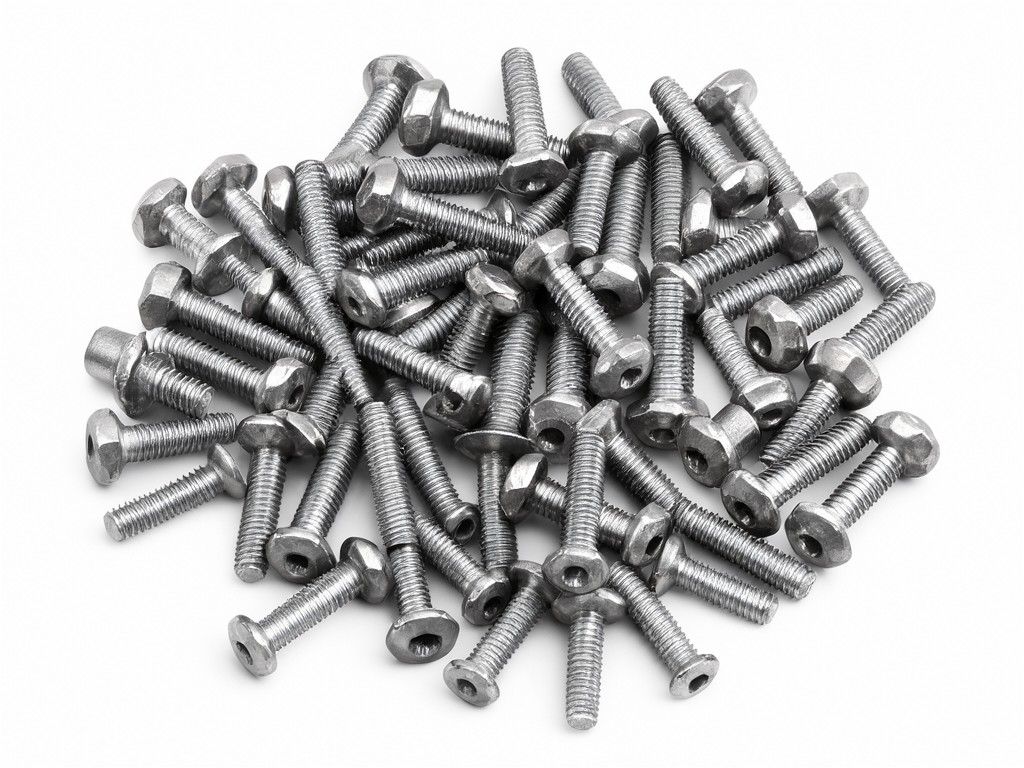
| Parameter | Order basis | Durability and cost check |
|---|---|---|
| Nominal diameter and length | Specify by drawing; A449 bolt and stud scope commonly spans 1/4 to 3 inches in nominal diameter, subject to product-form applicability. | Dimensional control protects engagement and reduces rejects at assembly. |
| Head profile and countersink | Set the angle, head diameter, height and transition in the approved drawing. | Correct contact reduces local bearing stress and fit-related rework. |
| Material and properties | Quenched-and-tempered carbon or alloy steel as applicable to the specified A449 requirements and order scope. | Verify the required mechanical properties by lot; grade substitution changes fatigue and load behaviour. |
| Piece weight | Calculate from the final drawing and confirm by sample weighing where freight or pack count depends on mass. | A controlled mass check can flag geometry drift across production lots. |
| Finish and storage | Select protection for the service environment; agree packing that limits moisture and abrasion in transit. | Check coating damage, thread fit and corrosion risk after the agreed cleaning or exposure conditions. |
Questions Buyers Ask Before Ordering
Does A449 specify the countersunk head dimensions?
No. A449 addresses mechanical requirements for covered fastener forms. The head profile and mating countersink need a drawing or an approved sample, with applicability to the requested product form confirmed during quotation.
Can a corrosion-resistant finish be added without changing fit?
Possibly, but coating thickness can affect thread clearance and countersink seating. Specify the finish before sampling, then inspect the coated parts for fit and confirm that the selected coating route is suitable for the required mechanical properties.
How do MOQ and lead time change for a custom head?
A standard size with an existing process route may avoid new tooling cost. A nonstandard head, finish or inspection plan can add setup and sample approval time; the commercial basis is confirmed after drawing review.
| Order stage | MOQ basis | Lead-time driver |
|---|---|---|
| Initial sample | Sample quantity and any dedicated tooling are quoted against the drawing. | Tooling, material availability, heat treatment and approval feedback. |
| Repeat production | Set by size mix, production setup and finish batch requirements. | Material scheduling, forming, heat treatment, coating and inspection capacity. |
| Private-label packing | Pack quantity, label content and carton configuration must be agreed by SKU. | Artwork approval, traceability details and export-pack preparation. |
What information helps secure a comparable quotation?
Send the drawing, required A449 scope, order quantity by size, finish and service environment, inspection expectations, packing configuration and destination. If you have an approved sample or an existing lot record, include it for review.
Review Your A449 Bolt Quotation
Share the drawing and target annual volume for a quotation review. We can assess the head geometry, material scope, finish, inspection plan and packaging basis before you compare landed cost across suppliers.
Request a quotation review