


Specifying Discount u shaped threaded bolt supplier for Wholesale and OEM Orders
Replacement rate, not unit price, determines whether a low-cost U bolt suits a wholesale programme. Confirming the bar diameter, inside width, leg length, thread details and finish before production helps avoid fit issues, rework and missed launch dates.
Measured Performance in Real Use
| Material and construction | Cost and fit considerations | Suitable order conditions |
|---|---|---|
| Carbon steel bar, formed to the specified inside width and leg length | Usually the lower material-cost route. Finish choice and thread method affect the final quote. | General-purpose brackets and supports where the specified coating matches the exposure conditions. |
| Stainless steel bar, formed and threaded to drawing | Higher material cost; select the grade against the service environment rather than appearance alone. | Assemblies exposed to moisture or where a coated carbon-steel finish is unsuitable. |
| Thread rolled on straight bar before bending, where the design and tooling allow | Can suit repeat production, but needs suitable thread tooling and bend sequence control. | Repeated orders with stable thread diameter, pitch and leg dimensions. |
| Threads cut after forming for selected sizes or short custom runs | May avoid dedicated rolling setup, though cycle time and unit price depend on size and quantity. | Orders with less common leg lengths or drawing-specific configurations. |
Fit is set by more than nominal rod diameter. Buyers should approve the inside width, inside length, bend radius, leg parallelism, thread diameter, pitch and usable thread length against the mating part. A small mismatch can leave insufficient nut engagement or force the installer to spread the legs.
For production checks, specify the drawing datums and the dimensions that control assembly. A sample inspection can check formed dimensions, thread fit and finish coverage; any load requirement must come from the assembly design and be agreed before quotation.
Comparing Two Standard Configurations
Stock dimensions can shorten setup and purchasing cycles, while a drawing-specific U bolt can reduce assembly adjustments. The lower-cost choice depends on how closely a standard width and leg length match the mating bracket.
| Finish option | Appearance and protection | Buyer check |
|---|---|---|
| Zinc electroplated | Commonly selected for a bright or lightly tinted finish on carbon steel. | Confirm the requested appearance and service exposure; coating build can affect thread fit. |
| Hot-dip galvanized | A heavier zinc coating option for applications that call for it. | Check nut clearance and thread allowance with the supplier before approving the drawing. |
| Black oxide or plain protective oil | Selected where a dark appearance or temporary storage protection is preferred. | Do not treat appearance as proof of corrosion suitability; define storage and use conditions. |
| Stainless steel, with surface condition agreed by order | Avoids a separate coating choice, subject to the selected alloy and environment. | Specify the material grade and requested finish; do not infer grade from surface colour. |
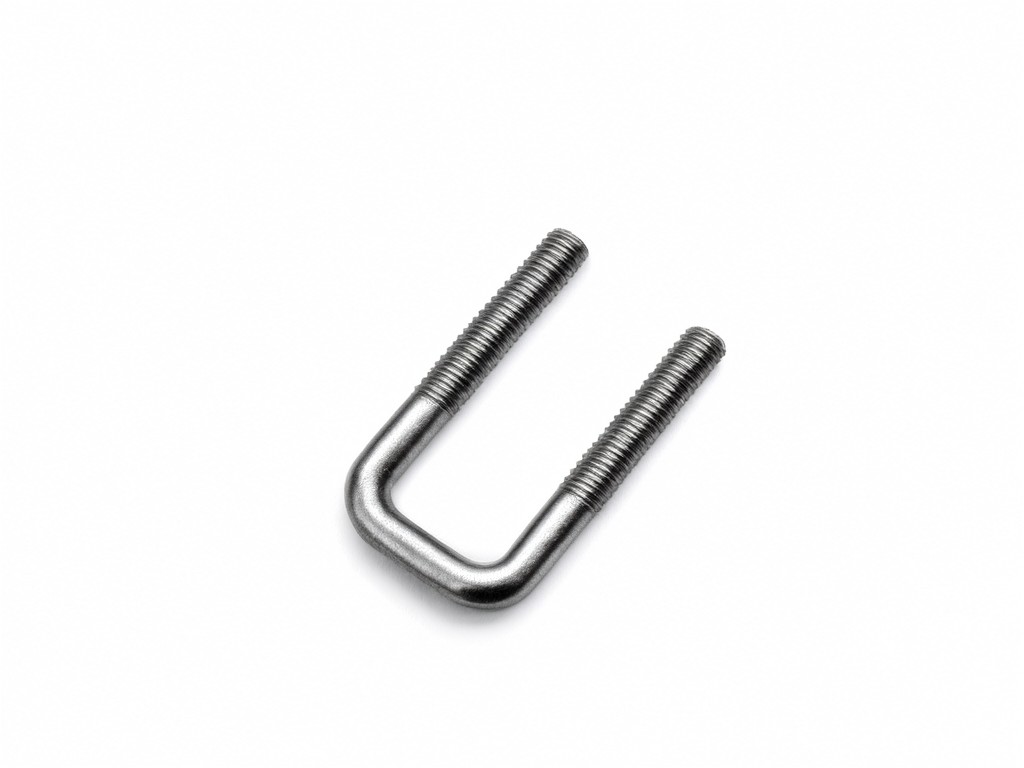
Stock-Size Configuration
Choose a stock bend and thread combination when the mating part accepts its dimensions. Existing tooling can limit setup expense and support a shorter production queue, subject to live stock and coating availability.
Drawing-Specific Configuration
Custom inside dimensions, leg lengths or thread positions can improve fit in a fixed assembly. New bending or thread tooling adds setup cost; repeat volume spreads that charge across more pieces.
Approve the coating and thread combination together. A finish that builds up on the threads can change nut engagement, so confirm the finished part against the intended mating hardware rather than reviewing an uncoated sample alone.
Usage Scenarios and Buyer Segments
A distributor serving hardware counters may prioritize repeatable dimensions across popular stock sizes and carton quantities that suit shelf replenishment. Their main exposure is a slow-moving custom size that ties up inventory or a substitution that does not fit a customer’s bracket.
OEM buyers use U bolts in assemblies such as pipe supports, equipment mounts and vehicle-related brackets. They need the bend geometry and thread engagement to match the mating component, with material and finish selected for the actual service environment. Importers managing a launch date also need the approved sample, packaging details and production window settled before booking freight.
For any application with a defined load, the buyer must provide the design requirement and assembly conditions. A general-purpose quotation is not a substitute for a rated assembly specification.
Requirements by Buyer Segment
- Distributors benefit from a stable size list, clear carton quantities and advance notice when a finish or material changes.
- OEM purchasing teams should provide a controlled drawing with tolerances for inside width, inside length, leg length, thread and bend geometry.
- Importers need the sample approval date, order quantity, packing method and ship window aligned before committing to a retail or project launch.
- Buyers with several order sizes should compare total tooling and setup cost against the expected reorder volume, not just the first unit price.
A signed sample or dimensioned approval drawing gives production and incoming inspection the same reference. If a mating nut or bracket controls fit, sharing that component can resolve tolerance questions before the order enters the production schedule.
OEM and ODM Programme Structure
An OEM order can follow a buyer drawing, an approved sample or a jointly reviewed specification. Confirm material grade, bar diameter, bend dimensions, thread form and length, finish, inspection points, marking and pack quantity in the order file. ODM support can address a new configuration, but the buyer should approve the final drawing before tooling or production release.
For a first run, separate one-time tooling charges from recurring piece pricing. The supplier can then quote repeat quantities against the same approved setup, while any change to diameter, bend radius or thread position is assessed for its effect on tooling and inspection.
Private labels, carton marks and export documents should be confirmed before packing specifications are frozen. Late artwork or label revisions can affect the dispatch plan even when the bolts are already complete.
Capacity, Tooling and Scheduling
Unit cost shifts with bar diameter, material, bend setup, thread method, finish and order quantity. A standard size may use existing tooling; a non-standard bend or dedicated thread setup adds preparation time and a tooling charge. At higher repeat volumes, those fixed costs can be divided across more pieces, though material availability and finishing capacity still govern the production window.
Short runs may avoid a large inventory commitment but carry more setup cost per piece. Larger releases can improve unit economics when dimensions remain stable and the schedule allows a production batch. Splitting one order into several deliveries may help manage inventory, but confirm storage, packing and release dates at quotation.
To protect a launch date, submit the drawing, material and finish choice, order quantity, sample deadline and required ship date together. Lead time can only be confirmed after tooling status, raw material supply and finish capacity are checked.
Stock Availability and Reorder Planning
Stock availability varies by diameter, bend dimensions, thread and finish; it should be verified against the current order date. If a standard configuration is acceptable, choosing it can reduce dependency on new tooling. Custom sizes usually need a production slot even when the material is readily available.
For repeat programmes, retain the approved drawing revision and record changes to finish, packaging or quantity by purchase order. A forecast can help reserve production capacity, but a forecast is not a confirmed stock allocation unless the terms state otherwise. Buyers facing seasonal demand should place the replenishment order before the last usable stock is committed.
Export Packaging and Handling Protection
U bolts can tangle, abrade one another or damage carton walls if they move freely in transit. Agree on inner bag or bundle quantities, carton weight, protective separation and pallet arrangement according to the part size and shipping route. Thread protection is worth specifying when exposed ends could be struck during handling.
For coated parts, keep packing dry and prevent contact with materials that may mark or contaminate the surface. Identify the part number, quantity and batch reference on each carton where the receiving process requires traceability. Confirm shipping marks and any retail labels before dispatch documentation is prepared.
Request a Production Sample
Send the drawing or target dimensions, material, finish, estimated order quantity and required delivery window. A sample review can settle fit and packaging details before a wholesale or OEM release.