


Double Ended Studs
Double Ended Studs for Threaded Connections
Double Ended Studs are threaded fasteners designed with threads at both ends. This arrangement allows a stud to form a connection between components where a projecting threaded end is useful for assembly. The specification provided identifies studs with the same or different thread specifications at the two ends, allowing the configuration to be considered against the requirements of the intended connection.
Specified for machinery manufacturing, construction, automotive work, and other applications, these studs offer a fastening option for a broad range of equipment and structures. Their two-ended threaded design can be useful when a component needs to be secured while keeping a threaded section available for another part of the assembly. Confirm that the stud’s material, diameter, length, and thread details are appropriate for the components and operating requirements before selecting a product.
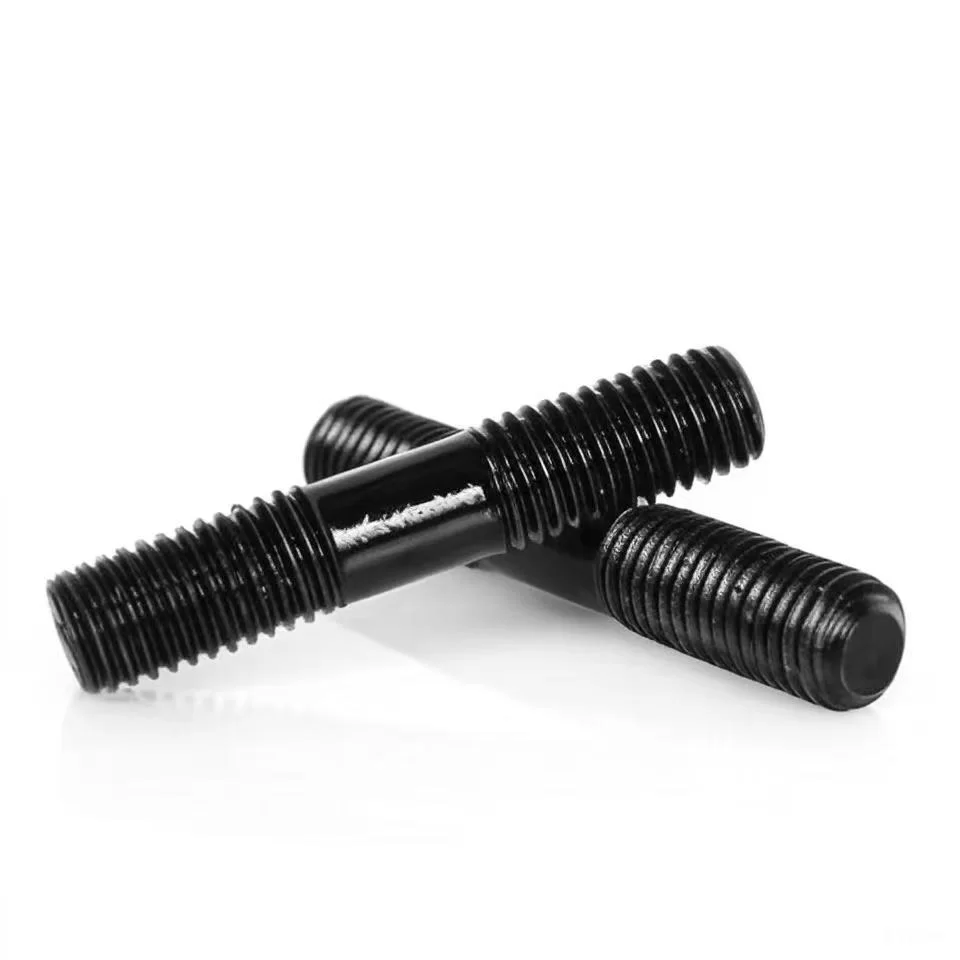
Specifications and Available Options
The specifications below identify the stated standard, material options, size ranges, thread arrangement, and application categories for these Double Ended Studs. Use these details as a starting point when reviewing a fastening requirement. The selected stud should correspond to the mating components and the design of the connection; the specification should not be treated as a substitute for checking the requirements of a particular assembly.
| Parameter | Description |
|---|---|
| Standard | DIN 938 |
| Material | Carbon Steel, Stainless Steel |
| Diameter Range | M6 - M30 |
| Length Range | 50mm - 300mm |
| Thread Type | Both ends threaded (same or different specs) |
| Applications | Machinery Manufacturing, Construction, Automotive, etc. |
The listed diameter range is M6 - M30, and the listed length range is 50mm - 300mm. These ranges help users narrow down potential options for a project, but the correct selection depends on the connection being made. Compare the required diameter and stud length with the dimensions needed by the assembly, and verify that the threaded ends match the corresponding parts. Where the two ends have different thread specifications, check each end separately against its mating component.
Applications and Assembly Considerations
Double Ended Studs are specified for machinery manufacturing, construction, automotive applications, and other uses. In machinery, a two-ended threaded fastener may be considered when parts need to be joined through a stud-based connection. In construction or automotive settings, the same basic form can be reviewed for assemblies that call for threads at both ends. These are application categories from the product specification; the suitability of a particular stud depends on the design and requirements of the individual installation.
A stud’s two threaded ends provide a connection format that can accommodate components assembled around the fastener. Depending on the application, this structure may help make the joining arrangement easier to plan, service, or repeat during assembly. It also gives purchasers and technical teams a clear set of details to evaluate: the applicable DIN 938 standard, the material option, the diameter and length ranges, and whether the thread specifications at both ends are the same or different.
Before installation, confirm the chosen stud against the assembly documentation and the mating parts. Check that the required threads correspond, that the selected length suits the intended connection, and that the material option is appropriate for the application. Do not assume that every size or material option is suitable for every operating environment. If a project has specific engineering, environmental, or service requirements, confirm the appropriate selection with the responsible technical team.
Selection, Inspection, and Ongoing Use
For a reliable purchasing and application process, begin by identifying the connection’s thread requirements at each end. Then compare the required size with the stated M6 - M30 diameter range and 50mm - 300mm length range. Select between the listed carbon steel and stainless steel material options based on the project’s specified needs, and use DIN 938 as the standard reference given for the product. These checks help reduce the risk of choosing a stud that does not match the parts it is intended to connect.
During assembly and maintenance, use the relevant product and equipment procedures. Keep the threaded areas in suitable condition for the intended connection, and inspect the stud and mating components when servicing an assembly. Look for visible damage or wear that could affect the fit or the condition of the threads, and replace or assess components according to the applicable maintenance requirements. The product information does not specify a torque value, load rating, coating, or environmental rating, so those requirements should be established from the project documentation rather than assumed.
By reviewing the two thread ends, material, diameter, length, and stated standard together, buyers and maintenance teams can evaluate Double Ended Studs against their fastening needs with greater clarity. This specification-led approach supports consistent selection across machinery manufacturing, construction, automotive work, and related applications while keeping the final decision tied to the requirements of the actual assembly.