


Durable 3 inch axle u bolts top Exporter: What Buyers Should Check Before Ordering
Balance and load analysis shows why “3 inch axle” is not enough information for a repeat order. The axle tube diameter is only one fit point; inside width, leg length, bar diameter, thread length and the spring or mounting-plate stack determine whether the U-bolt seats correctly and develops the specified clamp load.
A formed steel U-bolt is a small part with a direct effect on axle-to-spring retention. For importers and distributors, dimensional control and a finish suited to the vehicle’s exposure are practical ways to reduce fitment returns and corrosion complaints.
What the Design Has to Balance
Deflection under load governs the balance between bar diameter, material grade and the clamped stack. A heavier bar can raise strength and stiffness, but it also changes fit, mass and price; it is not a substitute for matching the axle, spring pack, plate and specified fastener torque.
Confirm the axle’s actual outside diameter and the complete installed stack before approving dimensions. U-bolt geometry should follow the buyer’s drawing or verified sample, with tightening torque taken from the axle or vehicle manufacturer—not estimated from bar size alone.
A practical production route forms round steel bar to the specified crown and leg spacing, cuts the legs to length, and rolls or cuts the threads to the agreed profile. Material condition, bend radius and thread position all affect how the part seats and how much usable thread remains after the stack is installed.
Buying Mistakes That Lead to Returns
Consistency depends on the reference dimensions in the purchase order. A nominal three-inch axle label may refer to a common fit category, not the measured tube diameter or the full U-bolt opening required by a specific assembly.
- Ordering by axle diameter alone can leave the legs too close together or too far apart for the spring plate.
- Using overall length instead of usable leg length can leave insufficient thread engagement above the nut.
- Changing bar diameter without checking the bend radius may cause interference with the axle seat or mounting plate.
- A finish change can alter thread fit or create a mismatch with the buyer’s corrosion expectations.
- A mixed carton or unclear pack label can turn a correct part into a costly warehouse or installer error.
Before a repeat order, compare a retained sample against the current drawing and confirm whether the spring pack, plate thickness or finish requirement has changed.
What Can Be Customised and What Cannot
Inside width, crown shape, leg length, bar diameter, thread length, thread form, material grade and finish can be specified for a confirmed application. The limits are practical: a tighter bend, heavier bar or longer leg can require different forming tools and may change unit cost, production time or carton weight.
Finish Selection by Service Condition
| Use and Exposure | Common Return Complaint | Specification to Confirm |
|---|---|---|
| Road use with routine water, dirt and seasonal outdoor exposure | Early surface rust or coating wear at contact points | Agree a zinc-based or other specified corrosion-protection finish, coverage expectations and thread-fit limits. |
| Frequent washdown or storage in a damp environment | Corrosion staining after cleaning or during warehouse storage | Specify the wash chemicals and storage conditions; select a compatible coating and protective pack. Chlorinated cleaners need review before finish approval. |
| Outdoor exposure with regular sunlight and road abrasion | Coating discoloration, scuffing or exposed steel around the bend | Assess coating coverage at the crown and legs. UV does not degrade steel, but sunlight, grit and handling can affect some coatings. |
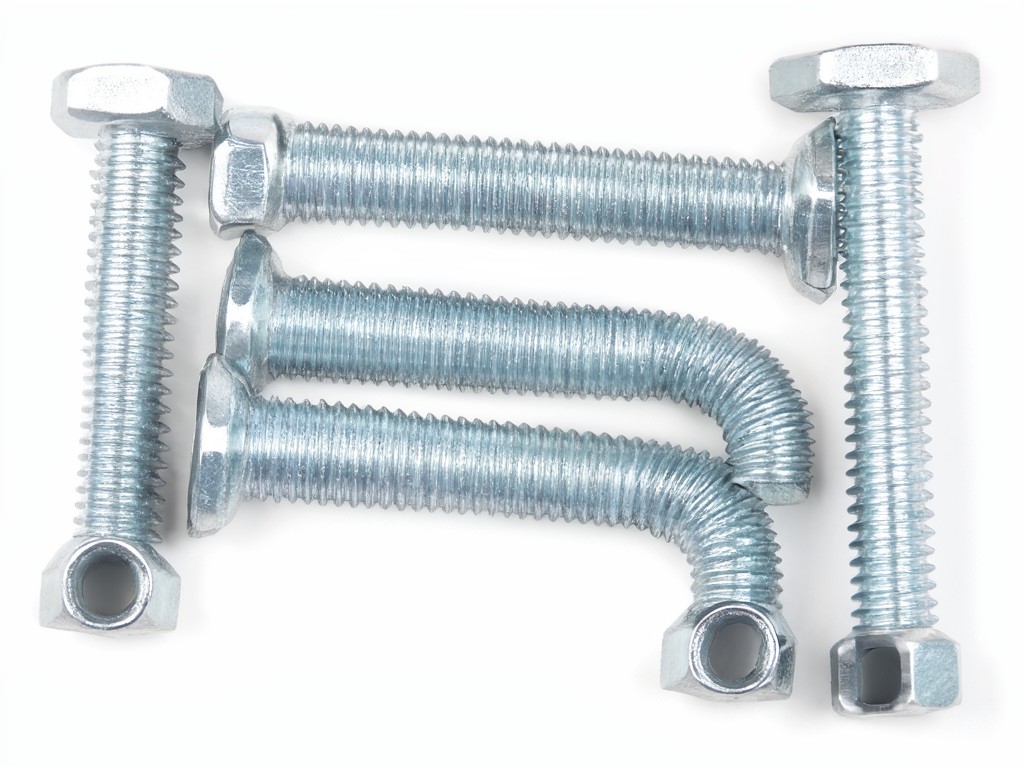
Colour is generally incidental to a protective finish, rather than a fitment specification. If a coloured topcoat is requested for identification or branding, approve the finish on a sample and confirm that the coating does not interfere with nut engagement.
Who Uses It and Where It Matters
Trailer-parts distributors stock axle U-bolts for repair counters and service workshops, where the right dimensions must be easy to identify at point of sale. Fleet maintenance teams need repeatable fit across scheduled repairs, particularly when vehicles return to service on a fixed maintenance window.
Importers serving agricultural, utility and light commercial vehicle markets may require more than one leg length or finish for the same axle diameter. Vehicles exposed to wet roads, grit or frequent cleaning place more demand on finish coverage and storage protection than dry, indoor service.
For off-road use, buyers should confirm the application and specified hardware with the vehicle or axle supplier. A U-bolt should not be treated as a universal replacement based only on nominal axle size.
Requirements by Buyer Segment
Distributors
Prioritise clear size identification, repeatable carton counts and a small set of fitment variants that match local demand. Consistent labels help counter staff distinguish leg length and thread details before sale.
Importers
Lock the approved drawing, finish and packing method before production. Batch identification and sample retention make it easier to investigate a dimensional or coating complaint against a later reorder.
Workshop and Fleet Buyers
Match the part to the vehicle maker’s fitment and torque requirements. Service teams benefit from packaging that protects threads in transit and keeps each size separate in the parts room.
What Gets Checked Before Shipment
A shipment inspection should compare parts with the approved drawing or sample. Typical checks cover bar diameter, inside width, crown form, leg length, thread length and thread condition; measurements and sampling frequency should be agreed for the order.
Visual review can identify damaged bends, burrs, incomplete threads, coating gaps and handling marks. Where the purchase specification calls for additional verification, define the test method and acceptance criteria before production; do not rely on an unspecified “load tested” claim.
For a finish-sensitive program, agree whether coating thickness, adhesion or corrosion exposure testing is required and how results will be recorded. Shipment records should link the inspection lot to the carton or batch identification used by the buyer.
Stock Availability and Reorder Planning
Stock availability depends on the specified dimensions, steel grade and finish; a common axle fit does not guarantee that every leg length is held as a standard item. Confirm which sizes are production stock and which require a dedicated run or tooling adjustment.
Repeat-order cost is easier to control when the approved sample, drawing revision, finish and carton quantity stay fixed. For seasonal or fleet demand, provide a forecast and target ship window early enough to plan material and coating capacity; confirm actual lead time against the order mix.
During storage, keep cartons dry and prevent loose parts from rubbing against one another. Thread protectors or internal dividers can reduce transit damage, while clear outer labels help receiving teams segregate sizes and batches.
Setup, Use and Replacement Parts
Installation should follow the axle or vehicle manufacturer’s sequence and torque specification. The U-bolt must sit squarely over the axle and pass through the intended plate without forced spreading or thread damage; incorrect seating can produce uneven clamp load.
Use compatible nuts and washers where the assembly requires them, and inspect threads before fitting. Replace a U-bolt if it is bent, cracked, badly corroded or has damaged threads. Follow the equipment maker’s guidance on replacement after removal or retightening, since reuse rules vary by assembly.
For a tooling review, send the axle outside diameter, spring and plate stack dimensions, required leg length, thread details, material or grade, finish and expected order quantity. Contact us to review the drawing or fitment sample before ordering.