


Durable black M6 countersunk bolt vendor: Specification, Ordering and Quality Notes
Construction options diverge as soon as weight matters. For an M6 countersunk bolt, steel grade, finished length and coating all affect unit mass, fit and service life; a black appearance alone does not define corrosion resistance.
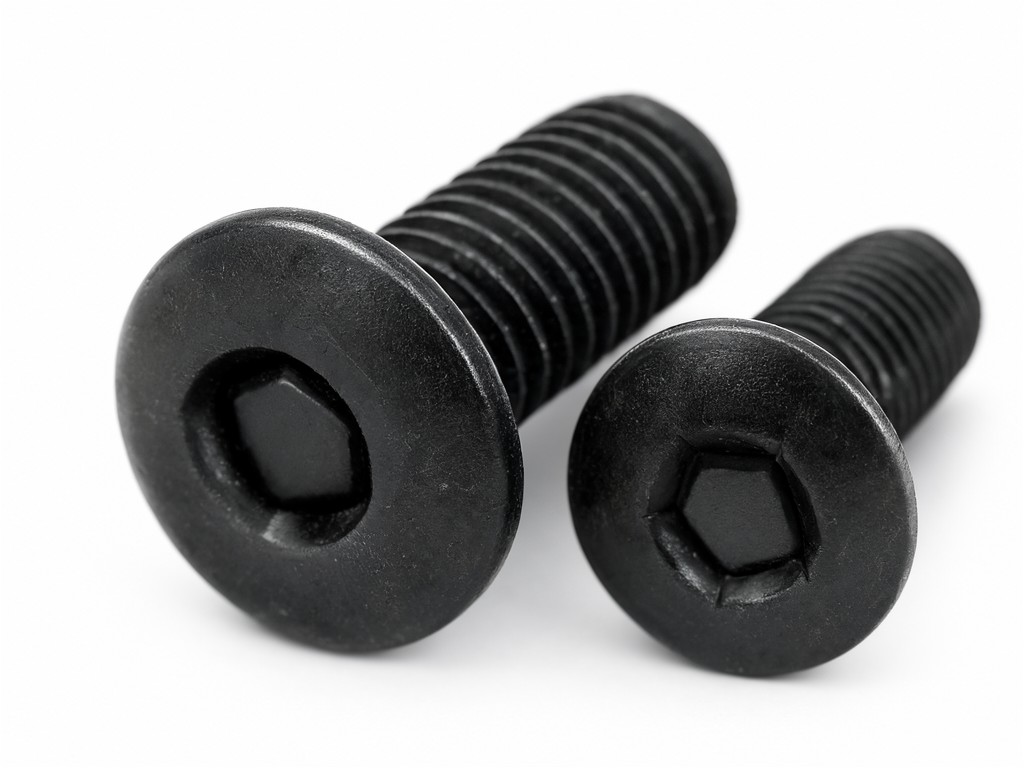
For repeat orders, agree the drawing and finish before production. Cold-headed, thread-rolled carbon or alloy steel suits many load-bearing assemblies, while the required strength and exposure determine heat treatment and black finish. A sample matched to the approved drawing gives both sides a reference for head seating, thread engagement, appearance and assembly torque.
Design Constraints Behind the Specification
A countersunk head must sit flush with its mating surface, so head angle, head diameter and countersink depth need to agree across the bolt and the receiving part. A mismatch can leave the head proud or concentrate load at the edge of the seat. Confirm the angle from the part drawing rather than relying on the M6 thread designation.
Strength, coating and assembly method are linked. Higher-strength steel can suit a higher clamp-load requirement, but the drawing and intended tightening method must set the target; a torque value cannot be transferred safely between finishes because surface friction changes. Electroplated finishes on hardened steel also need a documented process review for hydrogen-embrittlement risk. Black oxide typically adds little dimensional build but offers limited corrosion protection, while black zinc offers a more protective coating with added thickness to account for at mating threads and seating faces.
Lock the countersink angle, under-head length datum, thread pitch, property requirement and finish in one controlled drawing. Approve a production-representative sample before placing a repeat order; visual approval alone does not confirm fit or torque behaviour.
Size, Weight and Specification Range
Use the drawing to define the finished part; M6 identifies the nominal thread diameter, not the head geometry or bolt length. For countersunk bolts, length is commonly measured from the top of the head to the tip, but the purchase drawing should state the datum explicitly.
Thread
M6 nominal diameter; specify pitch and thread fit on the drawing.
Length
Set the under-head datum and finished length for each SKU.
Head seat
Confirm angle, diameter and underside geometry against the mating part.
Material and finish
Choose steel grade and black coating for the load and exposure conditions.
| Parameter | Typical specification basis | Buyer confirmation |
|---|---|---|
| Nominal thread | M6; coarse pitch is commonly 1.0 mm, subject to drawing confirmation. | Pitch, thread tolerance and usable engagement length. |
| Finished length | Set by the assembly drawing; length is often measured from the countersunk head top. | Measurement datum, tolerance and length range by SKU. |
| Unit mass | Varies with length, head dimensions, steel and coating; a rough planning range for many 10–30 mm versions is about 3–8 g. | Set the allowable mass range from the approved sample and specified geometry. |
| Steel and black finish | Cold-headed, thread-rolled steel; grade and black oxide or black zinc selected for service conditions. | Strength requirement, coating coverage, appearance and corrosion test acceptance criteria. |
Mass values are estimates, not an acceptance limit. A longer shank increases mass; a coating and larger head can shift it further. For close-weight SKUs, approve a measured sample and define the permitted range before production.
Customisation Options and Their Limits
Cost and durability pull in opposite directions once coating and steel grade are selected. Black oxide is usually the lower-cost route and preserves close fit, but it is a poor choice for frequent wetting or corrosive storage unless the assembly has added protection. Black zinc costs more and provides a more protective surface, though coating build must be allowed for in threads and countersinks.
A workable approval sequence is drawing review, tooling and process confirmation, first-off sample, fit and appearance approval, then a signed production reference. Send the mating countersink dimensions or a physical component where possible. If a logo or grade mark is required, confirm the marking location and legibility before approval; marks on the head can affect the visible finish or tool engagement area.
Black oxide
Choose it where a dark, low-build finish and lower unit cost matter more than standalone corrosion protection. Confirm any oil or sealant requirement and pack parts to limit abrasion during transit.
Black zinc
Consider it for greater corrosion resistance than black oxide. Agree coating thickness, appearance and thread fit; confirm assembly torque on finished parts rather than transferring a value from an uncoated bolt.
Usage Scenarios and Buyer Segments
Where chlorine, sweat or UV exposure is routine, the bolt’s actual environment still depends on where it is installed: those conditions may reach exposed hardware, but they do not make a black finish corrosion-proof. Specify the coating against the assembly’s real exposure, including cleaning chemicals, condensation, outdoor storage and contact with dissimilar metals.
Private-label buyers typically need repeatable appearance and a controlled drawing revision across several packaged SKUs. Importers may prioritize clear part identification, protected bulk packing and lot traceability so a fit or finish complaint can be tied to one production batch. In either case, the intended assembly load and service environment—not the black colour—should determine the steel and finish combination.
For parts exposed to vibration or repeated disassembly, agree the mating thread, locking method and retightening practice with the assembly designer. A countersunk head provides a flush seat; it does not by itself prevent loosening or compensate for a poorly matched countersink.
Requirements by Buyer Segment
| Buyer segment | Specification to close before order | Return-prevention focus |
|---|---|---|
| Private-label buyer | Approved drawing revision, finish shade, pack quantity, SKU label and any head marking. | Retain a signed sample and approved artwork for repeat production comparisons. |
| Importer | Carton quantity, inner-pack protection, country-of-origin marking needs and lot identification. | Align shipping documents and carton labels with the purchase order and receiving process. |
Before release, compare the production sample with the drawing for thread engagement, head seating and finish coverage. Set dimensional and appearance acceptance limits in writing; otherwise a buyer and supplier may judge the same batch against different references.
Packing, Marking and Freight Configuration
Bulk packing usually keeps unit cost down, but loose metal parts can rub through a black finish during handling. Use bags or divided inner packs suited to the order quantity, then pack cartons to limit movement in transit. For retail-ready orders, specify label content and placement before artwork approval; for industrial replenishment, SKU and lot identification may matter more than presentation.
Record the approved drawing revision, finish, sample approval date and batch reference against each purchase order. If the finish process, steel source or packing method changes, request notification before shipment so the buyer can review any effect on fit, appearance or corrosion expectations.
Review a quotation against your approved specification
Send the drawing, annual or batch quantity, steel and finish requirements, packing details and any sample or marking reference. A quotation review can flag open points on countersink fit, coating build, lot identification and repeat-order approval before production starts.