


Durable m12 countersunk anchor bolts: Specification, Ordering and Quality Notes
Material choice starts with the conditions the anchor will meet: dry indoor concrete, routine wash-down, or an exposed poolside or outdoor installation. For club and academy buyers, the repeat-order risk often sits in a mismatch between the approved sample, the fixture plate and the anchor assembly—not in the M12 thread designation alone.
Where Cheaper Alternatives Fall Short
| Specification point | Low-cost substitute risk | What to agree before production |
|---|---|---|
| Head geometry | A different head angle or diameter can leave the bolt proud of the fixture plate or prevent full seating. | Head angle, diameter, height and drive recess against the mating plate drawing. |
| Anchor assembly | A visually similar sleeve, cone or expansion component may use a different hole size or embedment. | Anchor type, drill diameter, effective embedment and compatible base material. |
| Finish and material | A thin or unsuitable finish can show corrosion after repeated wet cleaning or outdoor exposure. | Base material, finish type and exposure conditions for the installed location. |
Returns commonly follow a fit issue: the countersunk head does not sit flush, the shank length differs from the approved drawing, or the expansion assembly does not suit the drilled hole. A lower unit price offers little value if installers need replacement hardware or the fixture cannot be secured as designed.
M12 specifies a nominal thread diameter of 12 mm; it does not define anchor capacity. Concrete condition, edge distance, embedment, installation method and the complete anchor design all affect the permitted load. Do not use a bolt-only description as a substitute for an application-specific anchor selection.
Design Constraints Behind the Specification
Where a fixture plate must sit flat, countersink depth and head angle need to match the mating component. A head that is too tall can interfere with covers or moving parts; one that is too small can concentrate contact at the edge of the recess. Confirm the drawing dimensions against the actual plate or an approved sample before placing a repeat order.
Approval rule: record the bolt dimensions and the anchor-system details as separate items. Agree the head geometry, thread and length on the component drawing, then confirm the matching drill size, embedment and installation requirements for the selected anchor assembly.
Tolerances should be assigned to the dimensions that control assembly fit, not copied across every feature without review. Include the thread engagement, under-head length, countersink geometry and any sleeve or expansion-component dimensions that the installer must match. The substrate and fixture design remain part of the selection; the same assembly should not be assumed suitable for every concrete condition.
Material Options and Their Trade-offs
Cost and durability pull in opposite directions once an anchor is exposed to moisture, cleaning agents or salts. Specify the material and finish for the installation environment, and apply that choice to the anchor components that contact the environment—not only to the visible bolt.
Carbon Steel With Protective Finish
A practical choice for dry indoor installations where purchase price matters and the fastener is not routinely exposed to water or salts. The selected coating, its coverage and the storage conditions affect corrosion behaviour; specify the finish rather than ordering by “plated” alone.
Stainless Steel
A stainless option can suit wet or exposed locations, but the grade must match the service environment. Chloride exposure, mixed-metal contact and the anchor assembly’s other components need review; a stainless bolt paired with a less suitable expansion part does not make the full assembly corrosion-resistant.
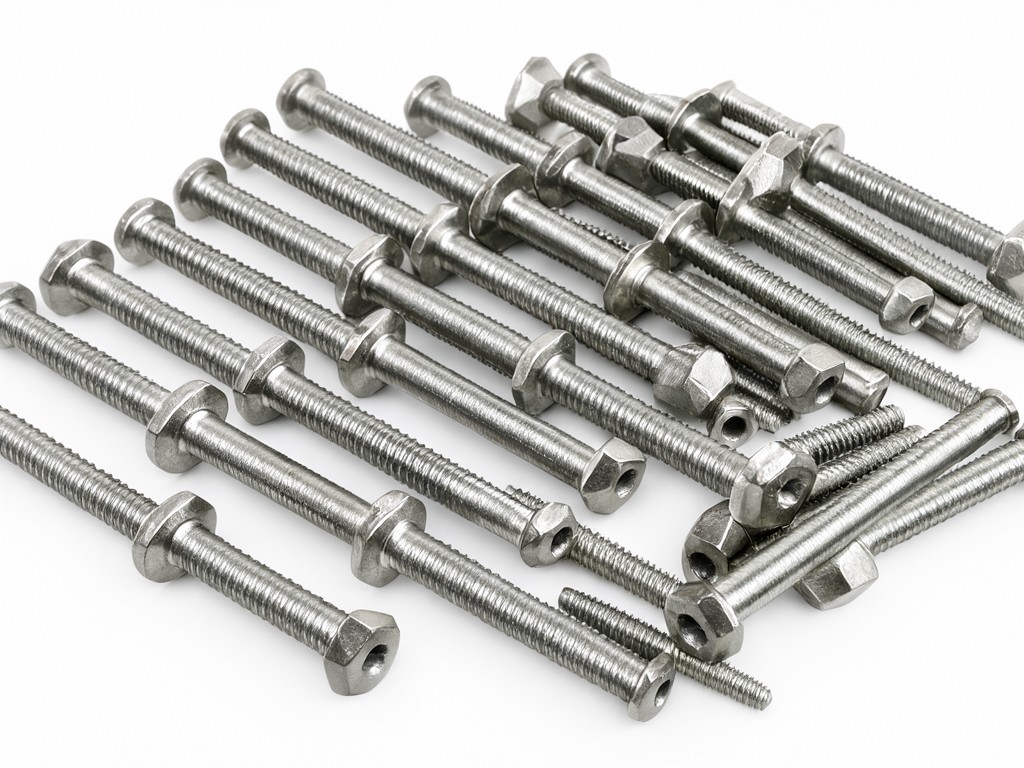
If the approved sample uses a particular alloy or coating, capture that choice in the purchase specification and drawing revision. Substitution can change cost, appearance, corrosion behaviour and installation feel, so request written approval before a material change enters a repeat batch.
Where This Product Beats Standard Alternatives
A countersunk anchor assembly earns its place when the fixture needs a low-profile fixing and the mating plate is designed for a flush head. Compared with a protruding hex-head fixing, the recessed head can reduce interference with covers, feet or nearby equipment—but only if the recess, fastener and installation are dimensionally compatible.
For court-side equipment bases, training fixtures or other club installations on concrete, specify the complete anchoring arrangement against the actual service load and substrate. Where access for later replacement is difficult, the additional cost of a corrosion-suited material or a documented, repeatable configuration may be preferable to a lower-priced generic bolt that cannot be matched reliably on reorder.
Option Comparison by Usage Level
Selection should follow the installation and maintenance pattern, not a broad “heavy-duty” label. Use these levels to start the specification discussion, then confirm the final anchor system with the fixture drawing and site conditions.
- Dry, sheltered indoor use: a specified carbon-steel finish may meet the service need at lower unit cost, provided the installed assembly stays dry and is stored without trapped moisture.
- Frequent cleaning or occasional wetting: select a finish or stainless grade suited to the cleaning method, and verify the full assembly rather than the exposed bolt alone.
- Outdoor, poolside or salt-exposed locations: assess chloride exposure and dissimilar-metal contact with the installer or project engineer before locking the material and anchor configuration.
- High-use fixtures or difficult-access installations: prioritize a controlled drawing revision, retained approval sample and consistent component pairing so maintenance teams can reorder the same specification.
Stock Availability and Reorder Planning
Reorder consistency starts with a controlled document set. Keep the approved drawing, material and finish description, anchor-system details, sample record and packaging specification under the same part reference. If the head dimensions, coating or expansion components change, issue a new revision instead of relying on an informal note in the order email.
Stock and lead time depend on the material, finish, assembly configuration and order quantity. Confirm which components are held as standard stock and which require production planning; mixed material options or custom head geometry may affect replenishment. For import orders, agree the pack quantity, corrosion protection for transit, carton identification and batch reference before dispatch.
A pre-production sample is useful when the countersink must mate with a fixture plate or when the packaging carries a buyer’s part reference. Approve fit and finish in writing, then tie the purchase order to that sample and drawing revision. This gives purchasing and installation teams a clear basis for repeat orders without assuming that a visually similar substitute is interchangeable.
Care, Storage and Service Life
Corrosion can begin before installation if finished parts sit in damp cartons or collect condensation during storage. Keep bolts dry, separated from incompatible metals where practical, and in their protective packaging until use. Remove surface contamination with a method suitable for the specified finish.
- Store cartons off the floor in a dry area; do not reseal damp hardware inside its original packaging.
- Use the drill diameter, embedment and installation procedure specified for the selected anchor system. Do not substitute a torque or hole size from a different assembly.
- Inspect exposed installations during scheduled equipment maintenance for looseness, visible corrosion, damaged threads or movement at the fixture base.
- Replace a damaged or corroded assembly with the approved configuration; do not mix individual components from different anchor systems.
Service life cannot be stated from the M12 size alone. Exposure, substrate, installation quality, applied load and maintenance all affect the result, so replacement intervals should follow the equipment maker’s maintenance plan and the site’s actual condition.
Questions Buyers Ask Before Ordering
Does M12 define the anchor’s load capacity?
No. M12 identifies the nominal thread diameter. Capacity depends on the anchor design, concrete condition, embedment, edge distance, installation and load direction. Provide the fixture and site details for an application-specific selection.
What should we send for a sample approval?
Send the fixture drawing or mating plate, required head geometry, thread and length, material and finish, and the anchor-system details. If the hardware has a buyer part number or packaging artwork, include the current revision so the sample and proposed order use matching references.
How do custom marking and order quantity affect replenishment?
Carton labels and pack identification can usually be reviewed separately from bolt geometry. Marking on the bolt depends on available space and the effect on functional surfaces. MOQ and lead time vary with material, finish, custom dimensions and packaging; confirm them after the drawing and artwork are approved.
Review the Specification Before Repeat Production
Share the mating-part drawing, required anchor configuration and packaging or branding artwork for review. We can align the sample, approved revision and reorder details before production planning.