


Durable m18 countersunk bolt: What Buyers Should Check Before Ordering
Unit price settles the question only after the bolt fits the countersink, holds its finish in service, and arrives in a form distributors can reorder without confusion. For an M18 countersunk bolt, the drawing and the mating seat matter as much as the material choice.
Confirm thread pitch, bolt length measurement, head diameter, countersink angle and drive detail before comparing quotations. A mismatch at the head seat can cause rocking, proud heads or damaged mating surfaces, even when the thread engages correctly.
Design Constraints Behind the Specification
Where the head must sit flush, the countersink angle and head profile have to match the receiving part. A common coarse thread for M18 is 2.5 mm pitch, but the order should follow the assembly drawing rather than assume a pitch. State whether length is measured from beneath the head or by another drawing convention.
For a production run, a hot-forged blank with a machined countersunk seat and rolled thread is a practical route. The seat dimensions, thread engagement and specified strength grade still need agreement: changing any of them can affect assembly fit, tooling and quoted cost.
Drawing control: Send the mating countersink detail along with the bolt drawing. If the receiving seat is fixed, the bolt head must be specified to that geometry; a nominal M18 thread alone does not define a compatible countersunk fastener.
Material Options and Their Trade-offs
Outdoor exposure often brings coating wear or corrosion complaints before the bolt reaches its mechanical limit. Select the base material and finish for the actual moisture, chemical and contact conditions; changing finish alone will not correct a strength-grade mismatch.
| Service condition | Complaint seen in use | Finish and colour choice to specify |
|---|---|---|
| Indoor assemblies with limited moisture exposure and cost-sensitive replacement cycles | Red rust or inconsistent appearance after storage or handling | Carbon steel with a specified zinc finish; confirm whether the required appearance is silver or another controlled colour. |
| Exterior service with repeated wetting and greater exposure to weather | Coating damage at the countersunk seat, followed by corrosion at the contact edge | Compare hot-dip galvanized or zinc-flake systems against the seat clearance and specified corrosion needs. Finish colour may vary by process. |
| Moist or corrosive environments where a coated carbon-steel option is unsuitable | Surface staining or coating wear that does not meet the buyer's service expectation | Consider stainless steel, with grade selected for the environment and required mechanical properties. Natural metallic appearance is typical. |
A darker finish can suit a product appearance brief, but colour does not define corrosion performance. Ask the supplier to identify the finish system and confirm that its deposited thickness will not interfere with the countersunk fit or thread assembly.
Option Comparison by Usage Level
Two suppliers quoting the same specification may still be offering different service lives or different risks of returns. Compare the total installed cost: finish choice, replacement frequency, assembly fit and the cost of sorting a batch that does not match the approved sample.
Intermittent Indoor Use
A plated carbon-steel option may suit controlled indoor service. It usually keeps the purchase price down, provided the buyer does not expect the finish to withstand regular outdoor wetting.
Frequent Outdoor Service
A corrosion-focused finish can cost more per bolt but may reduce replacement and service-call expense. Confirm the coating's fit at the head seat before approving the production sample.
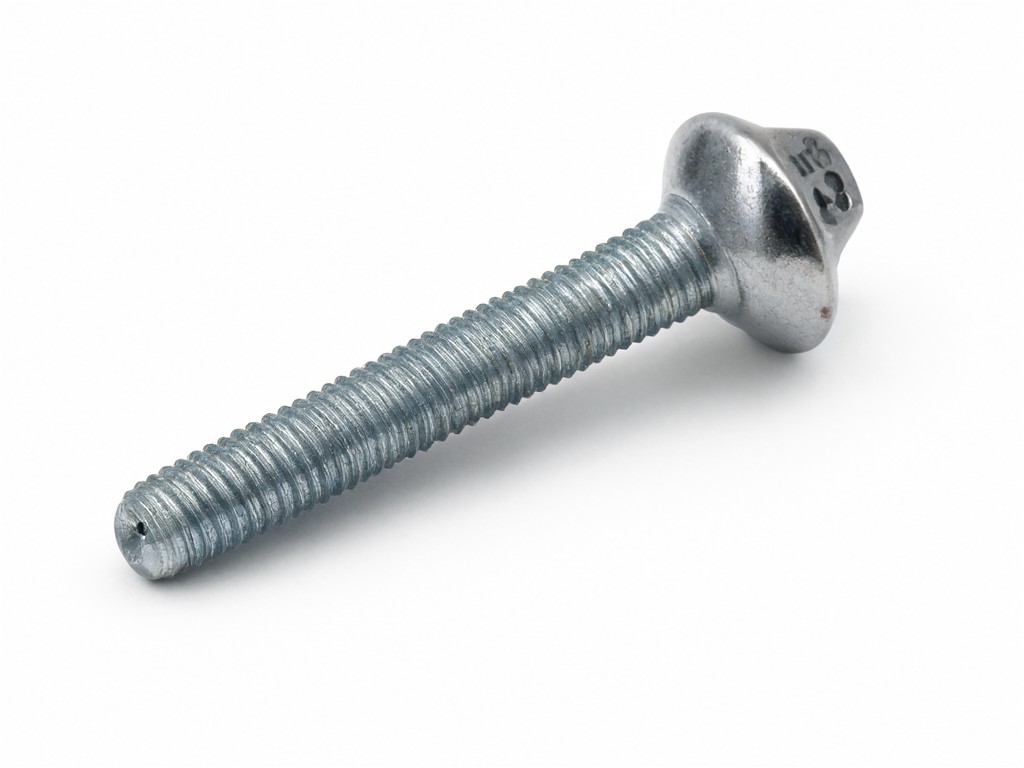
Corrosive or Wet Service
A suitable stainless grade may avoid coating wear as the first failure point. It can carry a higher unit cost, so assess the environment and mechanical requirement together rather than paying for a grade the application does not need.
Buying Mistakes That Lead to Returns
Returns often start with a detail that was treated as interchangeable. Check these points before placing a repeat order:
- Ordering by “M18” alone. Thread pitch, length, head diameter, countersink angle and drive type all affect fit.
- Using a finish that builds up at the countersunk face. The head can sit proud or bind even when the bolt dimensions look correct before coating.
- Leaving the material grade or strength requirement open. A substitute may match the appearance and dimensions but not the joint requirement.
- Approving colour from a catalogue description instead of a reference sample. Finish shade and sheen can vary between processes and production lots.
- Changing the drawing or finish after sample approval without updating the reorder specification. That creates avoidable sorting and distributor claims.
Usage Scenarios and Buyer Segments
Distributors supplying general industrial maintenance often need a repeatable core size range and clear finish identification. For this channel, a stable drawing revision and agreed pack quantity can matter as much as a small change in unit price, because mixed specifications create picking errors and returns.
Brand product managers buying for outdoor equipment or exposed assemblies should focus on the joint's weather exposure, the material grade and whether the head remains flush after finishing. If the bolt is visible to the end user, include appearance limits in the approved sample rather than relying on a colour name alone.
For either buyer, returns are less expensive to prevent than to process. Keep the approved drawing, finish selection and reorder description aligned across purchasing, product documentation and distributor listings.
Working as a Production Partner, Not a Catalogue Supplier
Before comparing quotations, align the drawing revision, material grade, thread details, finish and intended service environment. For OEM or ODM work, a supplier can review the countersunk geometry, tooling route, finish compatibility and order quantities before sample approval. Those decisions help protect reorder consistency and cost per unit sold.
| Pack format | Useful for | Order detail to agree |
|---|---|---|
| Bulk carton | Industrial buyers and distributors that handle their own repacking | Pieces per carton, part identification and protection against finish scuffing |
| Smaller labelled packs | Retail or distributor stock systems with shelf and picking requirements | Pack quantity, product description, finish identification and buyer artwork requirements |
For a project discussion, share the bolt drawing, mating-seat detail, target material and finish, expected order volume and any label or pack requirements. Discuss your M18 countersunk bolt specification before sampling so the quotation reflects the intended production route.