


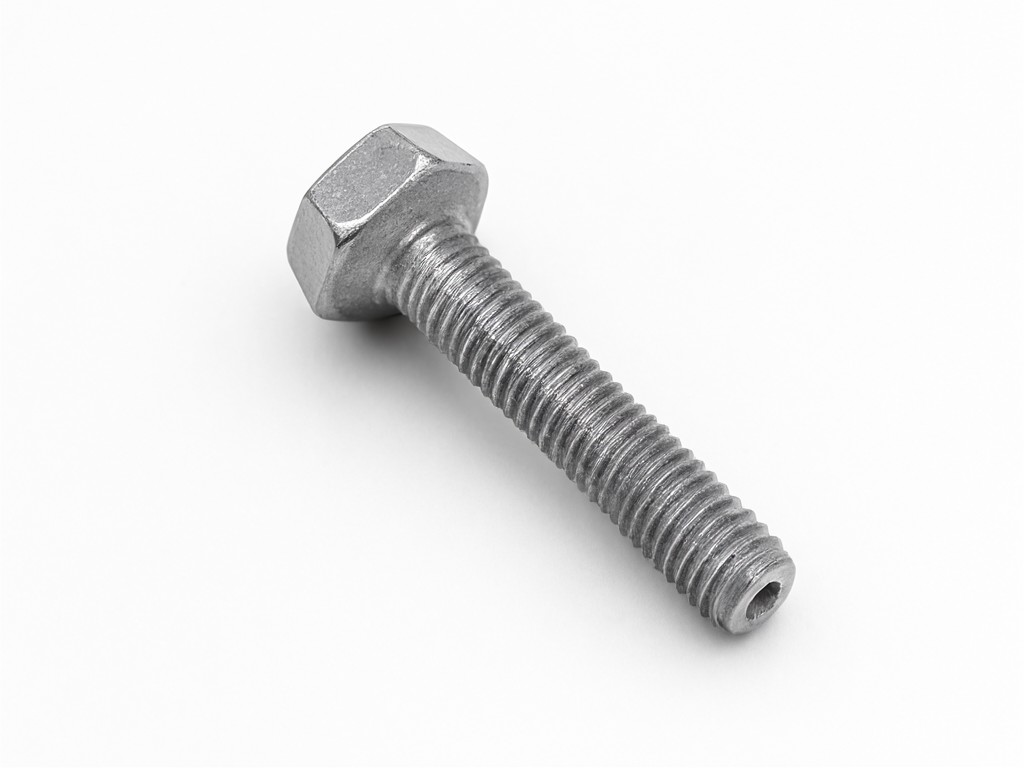
Durable m6 countersunk hex bolt Factory - Bulk Supply and Specification Guide
Material choice starts with the conditions the fastener will meet: an indoor equipment joint has different corrosion exposure from an outdoor assembly subject to rain, cleaning agents, or coastal air. Stainless steel can reduce corrosion-related replacement, while coated steel may offer a lower purchase cost and suit dry or sheltered service. Choose against the actual exposure and required joint strength, not the word “durable” alone.
The Problem Buyers Keep Paying For
A second source only reduces supply risk if its parts fit the same countersink, accept the same hex key, and clamp the joint to the same assembly requirement. Small differences in head angle, head diameter, or thread fit can leave heads proud, damage a mating surface, or slow installation. Mixed lots create extra sorting at assembly and can turn a routine reorder into a return or field-replacement cost.
For club and academy purchasing teams buying replacement hardware, the practical check is whether a new supplier can hold the approved dimensions and finish from one batch to the next. Keep a signed sample or drawing as the comparison reference; otherwise, a nominal M6 description may not capture the fit details that matter in the equipment joint.
What Actually Determines Performance
Fit before finish: a countersunk head must match the mating recess, and the internal hex drive must engage the specified tool without excessive play. Confirm the drawing’s head angle, head diameter, overall length, thread pitch, and drive size before comparing material or coating quotes.
The joint’s load, substrate, and installation torque determine the required fastener strength and engagement. A countersunk head transfers load through its angled bearing surface, so mismatched angles can concentrate contact at an edge rather than seat evenly. Specify the mating part and assembly conditions alongside the bolt; a material upgrade cannot correct poor geometry or insufficient thread engagement.
Material Options and Their Trade-offs
Stainless Steel
Stainless options suit assemblies exposed to moisture or frequent cleaning, with grade selection based on the specific environment. A more corrosion-resistant grade can increase unit cost; it is most useful where corrosion would drive premature replacement or maintenance visits. Confirm strength and galling considerations for the joint and installation method.
Steel With Protective Coating
Coated steel can provide a cost-effective choice for dry, sheltered, or controlled indoor use. The coating type and thickness affect corrosion resistance, appearance, and thread fit; coating buildup can also change how the bolt engages with a nut or tapped hole. Select it when the exposure permits and the finished thread remains compatible with the mating component.
Where chlorine, sweat, or UV exposure is routine around installed equipment, assess the full exposure rather than assuming the fastener sees only weather. UV mainly affects nearby polymers and coatings; moisture and cleaning chemistry are more direct corrosion concerns for the bolt. Agree the material and finish against the service environment and keep that selection fixed across reorder lots.
How It Is Built and What That Changes
Form the Head
Cold heading forms the blank and countersunk head. Tool condition and setup control head profile and lot-to-lot dimensional repeatability.
Create the Drive
Broaching forms the internal hex. A consistent socket depth and profile help the driver seat fully and reduce the chance of rounding during installation.
Roll the Thread
Thread rolling forms the external thread after blank preparation. For coated versions, sequence and coating control matter because buildup can affect fit and installation feel.
Steel versions may require heat treatment to meet the agreed mechanical requirements; stainless grades follow their own material and processing route. The buyer should approve the material, process route, and finish together. Changing only the coating or source without checking the finished dimensions can shift drive engagement or thread fit between batches.
Size, Weight and Specification Range
| Item | Specification point | Buyer check |
|---|---|---|
| Nominal size | M6 denotes a nominal 6 mm thread diameter; coarse pitch is commonly 1.0 mm. | Confirm pitch and tolerance against the mating tapped hole or nut. |
| Length and head | Specify length measured from the top of the countersunk head, plus head angle and head diameter from the drawing. | Match the recess geometry; countersink angles are not interchangeable by assumption. |
| Hex drive | Internal hex size and socket depth depend on the selected design. | Confirm tool engagement and clearance in the assembled product. |
| Material and finish | Stainless grade or steel grade and coating are set by load and exposure requirements. | Compare corrosion exposure, strength requirement, and finished thread fit before approval. |
| Unit weight | Varies with length, head geometry, material, and finish. | Set an agreed sample or drawing reference if weight consistency matters for bulk receiving. |
A concise purchasing specification should identify the complete drawing revision, thread, length convention, head geometry, drive, material, finish, and required mechanical properties. State which dimensions are acceptance-critical. That gives a second-source factory a usable control target and makes deviations visible before they affect assembly.
What Gets Checked Before Shipment
- Dimensional sampling covers thread diameter and pitch, length, head profile, countersink angle, and internal hex size against the approved drawing.
- Thread gauges check fit; visual inspection looks for burrs, damaged drive recesses, incomplete coating, and finish variation across the lot.
- Where the specification calls for it, material documentation and mechanical checks verify the agreed material and strength requirements.
- Corrosion testing, such as a salt-spray assessment, should use a buyer-approved method and exposure duration. A test result only has meaning against those agreed conditions.
- Record sample results by production lot so repeat orders can be compared for dimension, finish, and material consistency.
Inspection frequency and acceptance limits should be agreed before production rather than inferred from a sample approval. For second-source qualification, compare a production-representative lot with the approved reference part, then retain the inspection record for the next reorder.
Questions Buyers Ask Before Ordering
Does M6 identify the full bolt specification?
No. It identifies nominal thread diameter only. Provide the pitch, length, head dimensions and angle, hex-drive dimensions, material, finish, and required mechanical properties.
Can a sample confirm whether the countersunk head will sit flush?
Yes, if the sample is checked in the actual mating recess or against its drawing. Confirm the head angle and diameter as well as the recess; a bolt that matches the nominal thread can still sit proud if the countersink geometry differs.
What changes the minimum order and lead time?
Unusual lengths, nonstandard head geometry, a specified coating, or a less common material can require dedicated setup or material procurement. Share the drawing and forecast quantity for a confirmed quotation and production schedule rather than relying on a nominal M6 description.
Qualify a Second Source
Send the current drawing or approved sample details, annual demand, service environment, and acceptance checks. We can review the material and process route against your fit requirements, then discuss a production sample and lot-control plan for qualification.