


Durable m6 x 12mm countersunk bolt: Specification, Ordering and Quality Notes
First-article tooling determines the countersunk head profile, recess depth and thread position before a production run begins. For a durable M6 x 12 mm countersunk bolt, approve those features against the mating part first; a head that sits proud or bottoms in its recess can compromise both the flush fit and the buyer’s assembly schedule.
The size identifies a nominal 6 mm thread diameter and a 12 mm bolt length. For a countersunk head, length is generally measured from the top face to the bolt tip, but the drawing should confirm the convention, head angle, drive recess and thread pitch. That detail matters when a distributor needs interchangeable replenishment stock rather than a visually similar substitute.
Scope of Supply and Physical Form
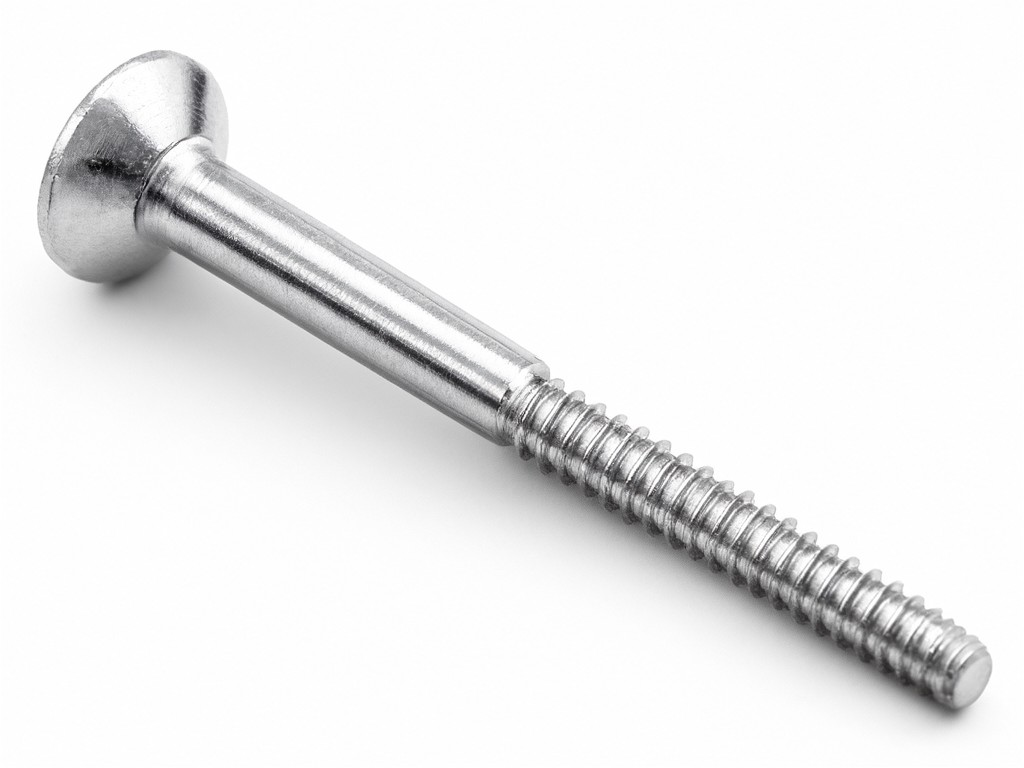
This product is a threaded metal fastener with a flat countersunk head, supplied to a defined drawing or approved sample. Cold heading forms the head and shank; thread rolling is a common production route for the external thread. A special head profile, low-volume run or non-standard recess may require secondary machining or dedicated tooling, which can affect both unit cost and launch timing.
Drawing check before order: specify overall length measurement, countersink angle, head diameter, drive type, thread pitch, material, finish and packing quantity. A mating-hole sample or dimensioned drawing helps settle the head-seat fit before production approval.
Countersunk fasteners suit assemblies where a flush or near-flush surface matters, such as covers, brackets, panels and fixtures. The seat must match the bolt’s head geometry; tightening a mismatched head can mark the surface or leave the head proud.
Material Options and Their Trade-offs
Process choice shows up later as corrosion resistance, surface wear and the cost of replacement. Select the base material and finish for the actual exposure: indoor dry service differs from frequent washdown, outdoor storage or contact with chloride-bearing cleaners.
Selection Path
- If the assembly stays indoors and cost is the main constraint, consider carbon steel with a specified protective coating. Confirm the coating’s resistance to the cleaning agents and storage conditions at the point of use.
- For routine handling and dry storage, a zinc-plated option may fit the requirement; coating colour and appearance can vary by process, so approve a production-equivalent sample.
- For repeated abrasion or more aggressive cleaning, review the coating specification and expected service conditions before selecting it as a substitute for stainless steel.
- If moisture, sweat or regular cleaning is expected, compare stainless grades against the actual exposure rather than choosing on appearance alone.
- A common stainless option suits many general environments, but chloride exposure can still cause staining or corrosion.
- A more corrosion-resistant stainless grade can carry a higher material cost; reserve it for cases where cleaning chemistry, outdoor exposure or replacement access justifies that premium.
- Confirm the drive and head finish as separate choices. A decorative finish does not by itself establish corrosion performance, and a recess must match the installation tool used by the end customer.
If a coating is specified, define its colour, coverage and acceptance appearance on the approved sample. This prevents a batch-to-batch shade shift from being mistaken for a material change at retail inspection.
Measured Performance in Real Use
The useful performance limits are fit, thread engagement, resistance to loosening under the assembly’s specified conditions and protection from corrosion. A flush head can improve surface feel and reduce snag points, but only when the countersink and head angle match. The bolt’s load capacity cannot be inferred from “M6 x 12 mm” alone; material, strength class, engagement length and joint design also govern it.
Repeated disassembly can wear the drive recess, while over-torque can damage the recess, thread or mating material. Use the installation torque set for the joint and the selected fastener grade. Salt, sweat, cleaning chemicals and damp storage can attack finishes at exposed edges or damaged areas, so inspect the assembly after cleaning and replace bolts with visible corrosion or recess damage.
A finish that survives handling may not suit repeated chlorine or chloride exposure. Where those conditions apply, confirm compatibility with the cleaner and environment, then assess the finished fastener rather than relying on base-metal appearance.
Who Uses It and Where It Matters
Retail buyers and distributors typically specify this fastener for packaged repair parts, replacement hardware or assemblies that need a flush head. It may suit equipment covers, furniture fittings, access panels and light brackets, provided the fastener’s grade and joint design match the load.
In service areas with frequent wipe-downs, sweat or outdoor exposure, buyers should check the finish after abrasion and cleaning, not just at receipt. For products handled directly, a correctly seated head reduces a raised edge; for stored spare parts, dry packaging and clear material identification reduce mix-ups and premature surface damage.
Requirements by Buyer Segment
For a retail buyer, the priorities are a confirmed sample, stable appearance and pack identification that matches the product listing. For a distributor, repeatable dimensions, traceable batch details and a clear substitution rule matter most. Both need an agreed production schedule early enough to protect a launch date.
- Set the drawing revision and sample approval date before tooling release; late changes to head geometry or drive type can reset production timing.
- Confirm bulk quantity, inner-pack count, label language and carton marks in the purchase order.
- For branded retail packs, approve artwork and barcode placement separately from the bolt’s technical sample.
- Request advance notice if raw material or finish availability could affect the agreed ship window; an unapproved material change can disrupt fit and corrosion expectations.
How Consistency Is Held Across Batches
Batch control starts with a released drawing and a retained approved sample. Production checks should focus on dimensions that affect fit, thread acceptance, finish coverage and packing identity. Inspection frequency and acceptance limits should be agreed against the order specification; they should not be assumed from the product name alone.
| Item | Options or check | Buyer control point |
|---|---|---|
| Material and finish | Stainless steel; carbon steel with a specified protective finish. Colour and surface appearance depend on the selected process. | Approve the material description, finish, colour sample and intended cleaning exposure before production. |
| Dimensions and head seat | Check overall length, head diameter, head angle and recess against the released drawing. | Use dimensional gauges or suitable measuring tools; verify the head sits correctly in the mating countersink. |
| Thread and drive | Confirm pitch, thread form and drive recess from the drawing or approved sample. | Use an appropriate thread gauge and a matching driver to check engagement and recess condition. |
| Finish and packing condition | Inspect for coating gaps, visible corrosion, handling marks and loose debris; review packaging for transit protection. | Record agreed visual acceptance criteria and batch identification on the order documents. |
For launch-sensitive orders, lock the drawing, pack specification and approved sample before the production slot. A late finish or label revision can require renewed approval and may move the ship date even when the bolt dimensions remain unchanged.
Setup, Use and Replacement Parts
Clean the mating seat and thread before installation. Match the driver to the recess, start the bolt without force and stop if the thread binds; cross-threading can damage both the fastener and the receiving part. Apply the joint designer’s torque instruction rather than a generic value.
After exposure to sweat, chlorine-bearing cleaners or outdoor moisture, rinse or wipe the assembly as appropriate to the surrounding materials, then dry it before storage. Abrasion can breach a coating, so replace bolts with visible corrosion, a rounded drive recess or damaged threads. Keep replacement stock in identified, dry packs and do not mix finishes or grades in one bin.
For a launch order, send the drawing, target quantity, required ship window and pack artwork for review before final confirmation. Request an artwork and branding review alongside the technical sample approval so label changes do not arrive after packing has started.