


Specifying Durable m6 x 20mm countersunk bolt distributor for Wholesale and OEM Orders
Most quality disputes start with a consistency gap. A countersunk fastener that seats flush in one assembly but sits proud or rocks in the next can delay a club equipment launch or trigger retail returns. For wholesale orders, confirm the head geometry, thread, finish and length convention against the mating part before approving a production lot.
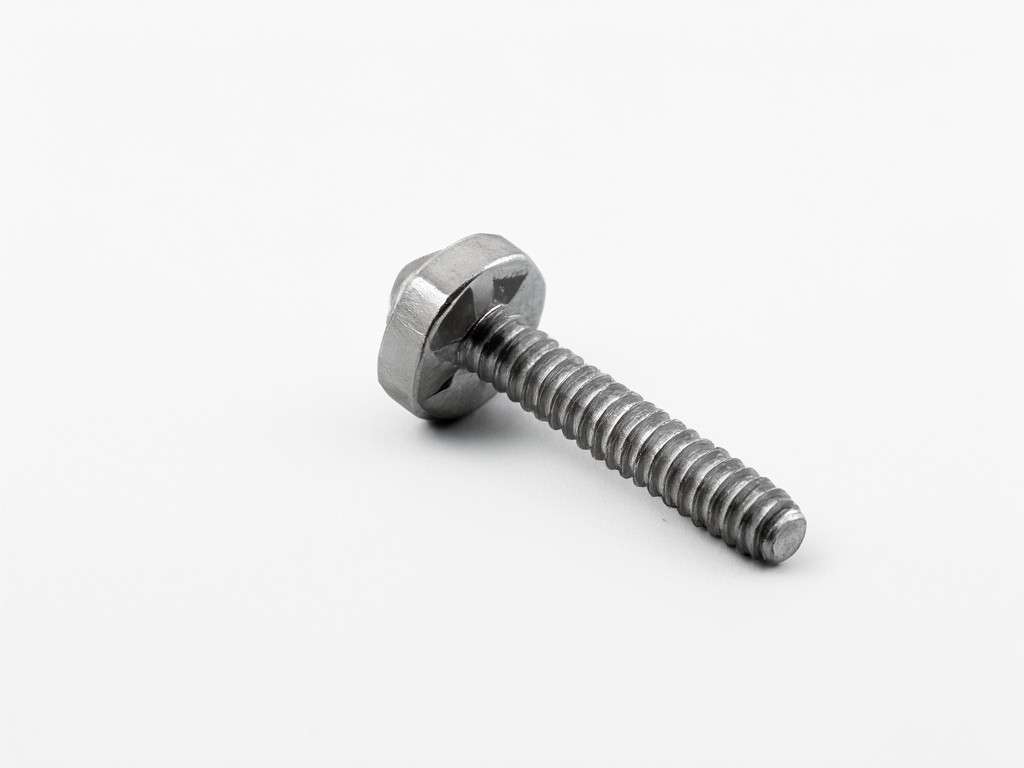
M6 x 20 mm identifies a nominal 6 mm thread diameter and a 20 mm length, but it does not settle every fit detail. Buyers should specify the countersink angle, drive, material grade and coating as well as the required pack configuration. Those details reduce inspection holds and help keep repeat orders consistent with the approved sample.
Materials and Construction Trade-offs
For general indoor assemblies, plated carbon steel usually gives the lower unit cost and suits buyers who need repeatable fastening strength at volume. Where moisture or cleaning exposure is part of service, specify a stainless grade suited to that environment. Stainless selection can raise material cost and does not, by itself, settle the required strength or resistance to thread seizure.
A common production route uses cold heading for the head and shank, followed by thread rolling. Dedicated heading and recess tooling supports consistent head form across a run; its setup cost is spread across ordered volume. A change to the drive, head angle or blank dimensions can require new tooling or another sample approval, so lock the drawing before placing a repeat order.
Plated Carbon Steel
A cost-conscious choice for dry or controlled environments. Confirm the required mechanical grade and finish; coating buildup at the thread or recess can affect fit, drive engagement and assembly feel.
Stainless Steel
A sensible option where corrosion exposure matters. Name the precise grade and confirm strength requirements; compatible mating materials and controlled installation torque help limit galling.
Measured Performance in Real Use
Wear shows up at the same point every season: a damaged drive recess, a head that does not sit flush, or corrosion around an exposed joint. These are often fit and specification issues rather than a simple material failure. Match the countersink in the mating component to the fastener head, and inspect thread engagement and recess condition on incoming samples.
| Service Condition | Complaint Seen on Returns | Specification or Check to Set |
|---|---|---|
| Repeated assembly and maintenance in a dry indoor setting | Rounded recess or inconsistent tool engagement | Fix the drive type and recess dimensions on the drawing; check sample fit with the intended tool. |
| Flush mounting against a countersunk panel | Head sits proud, rocks or marks the panel surface | Match head angle and diameter to the mating seat; verify flush fit on the actual panel. |
| Use where parts see moisture or regular cleaning | Surface corrosion or a seized thread at service | Select material and finish for the exposure; review the assembled material pair and installation method. |
A 20 mm countersunk fastener is commonly measured from the top of the head to the tip. Confirm that convention on the purchase drawing; measuring from beneath the head can produce the wrong installed length and thread engagement.
Specification Range and Customisation Limits
Treat M6 x 20 mm as the starting designation, not a complete inspection plan. The usual coarse M6 pitch is 1.0 mm, but buyers should state the required pitch and thread coverage on the drawing. Head angle, head diameter, drive size and dimensional tolerances also need confirmation against the mating assembly.
Customization is most economical when the drawing stays fixed across releases. A standard configuration can avoid dedicated tooling costs; a custom recess or head form may improve fit but adds tooling review and sample approval to the order path. Larger committed volumes can spread that setup cost across more pieces, while late design changes can affect both unit pricing and the ship schedule.
Matching the Product to the Buyer's Need
For a club equipment repair kit, prioritize a drive that staff can access with stocked tools and a finish suited to storage and use conditions. For a retail assortment, keep the pack label and item reference aligned with the approved specification so replenishment does not substitute a different head form or material.
When flush contact matters to the user, a correctly matched countersink avoids a raised edge that can catch or feel rough against an adjacent surface. When the fastener is hidden inside an assembly, buyers may instead favor a standard drive and finish that keep procurement cost and replacement stock simple. Confirm fit with the actual mating component before choosing on price alone.
Buying Mistakes That Lead to Returns
A part number that says only “M6 x 20” leaves room for different interpretations. Returns commonly follow a mismatch between the head angle and seat, an unstated drive type, or a length measured by the wrong convention. A finish substitution can also change the fit at tight thread or recess dimensions.
Before release, approve a sample against the mating component and keep the approved drawing with the purchase order. For repeat orders, compare incoming dimensions and thread engagement with that reference rather than relying on carton descriptions alone. If the buyer changes material or coating, request a fresh fit review.
Requirements by Buyer Segment
Club and academy purchasing managers tend to need service stock that fits existing equipment and can be reordered by a clear reference. A small initial release may limit inventory exposure, though the per-piece cost can be higher when setup and packing are divided across fewer units. Retail buyers need consistent item identification, pack quantities and finish across replenishment lots.
For either buyer, consolidate the specification before requesting a production slot. Stable volume and unchanged tooling make cost planning easier; multiple finishes, split quantities or a revised head design can require separate setup or approval steps. Share the required in-market date early, but confirm the shipment plan against the final approved configuration.
Packing, Marking and Freight Configuration
Pack format affects counting time at receiving and the risk of mixed specifications in storage. Confirm whether the order needs bulk cartons for workshop use or smaller inner packs for retail handling. Agree the carton label fields and lot identification before dispatch so receiving teams can match stock to the purchase order.
| Packing Decision | Buyer Confirmation | Freight and Receiving Benefit |
|---|---|---|
| Bulk inner bags in export cartons | Pieces per bag, bags per carton and carton gross weight | Suits workshop stock; agreed counts simplify warehouse checks. |
| Retail or service-size inner packs | Pack quantity, item code, label language and barcode artwork if required | Supports shelf handling or controlled issue from a club parts counter. |
| Lot and carton identification | Required batch reference, purchase order and carton markings | Helps separate finishes or production lots during receiving and replenishment. |
Questions Buyers Ask Before Ordering
Does M6 x 20 mm Confirm the Head and Thread Details?
No. It gives the nominal thread diameter and length designation, but buyers should also confirm the thread pitch, length measurement convention, head angle, drive and thread coverage on the drawing.
Can a Sample Approval Help Prevent a Fit Dispute?
Yes. Check the sample in the actual countersunk seat with the intended tool, and record the accepted material, finish and dimensions. That reference gives both sides a clear basis for repeat-lot inspection.
How Does Order Volume Affect Pricing and Shipment Timing?
A larger, stable order can spread tooling and setup costs across more pieces. Small split releases, custom features or late specification changes may add separate setup and approval steps. Confirm the production and freight schedule after the drawing, sample and packing details are agreed.
Review the Drawing Before You Commit the Order
Send the mating-part details, target quantity, material and finish preference, pack format and required delivery window for a tooling and specification review. A fixed drawing and approved sample reduce avoidable changes between the first order and replenishment.
Request a tooling review for your M6 x 20 mm countersunk fastener order