


Durable m6 x 30mm countersunk bolt distributor: What Buyers Should Check Before Ordering
The limiting factor is rarely the headline specification. For an M6 × 30 mm countersunk bolt, a small mismatch in head angle, length convention, or thread can prevent the fastener from seating in an existing assembly.
Retail and OEM buyers should lock the drawing, material, finish, and inspection basis before a private-label run. That keeps reorder lots aligned with the approved part and helps control returns and warranty costs.
What the Design Has to Balance
Weight and stiffness trade off against each other. A heavier material or larger head may suit a demanding joint, but the mating countersink, available clearance, and specified tightening method still set the usable design limits.
Nominal thread diameter
M6
Specified length
30 mm
Thread pitch to confirm
Coarse pitch is commonly 1.0 mm
Head geometry
Angle and drive per drawing
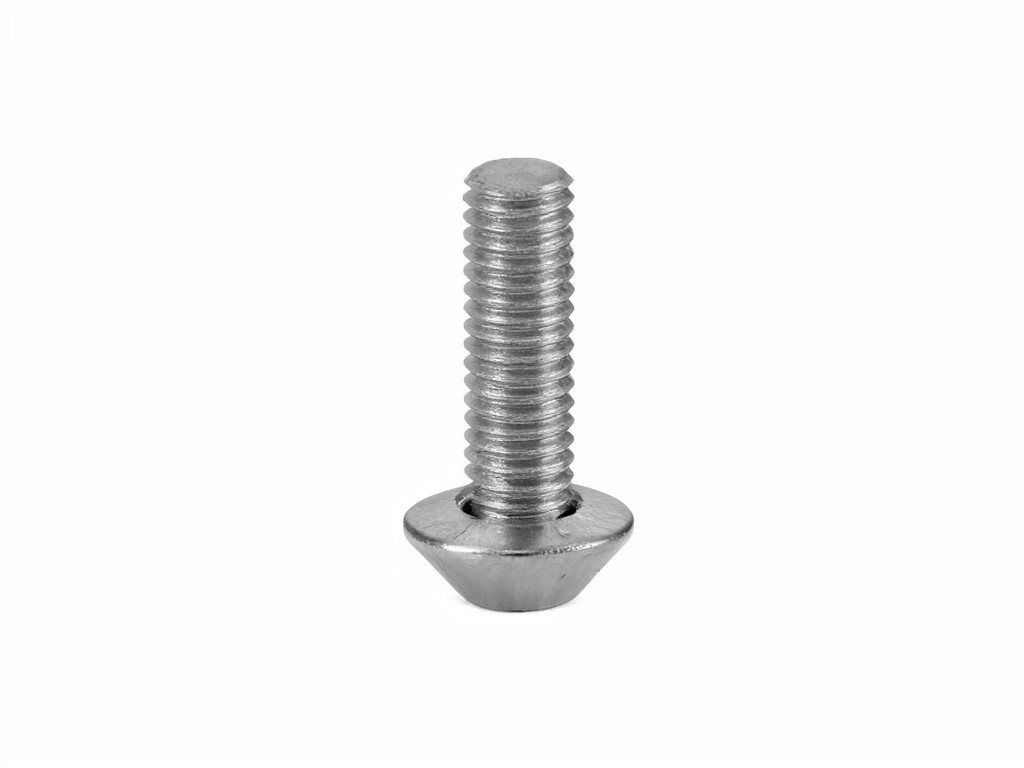
For countersunk fasteners, length is generally measured from the top of the head to the tip; confirm that convention on the buyer’s drawing. The countersink angle and head diameter also need to match the mating component. If either differs, the head can sit proud or bottom out before the joint clamps.
Material Options and Their Trade-offs
Carbon steel with a specified protective finish is often the cost-conscious choice for dry indoor assemblies. The buyer must define the steel grade, any heat treatment, and the coating requirement; those details affect strength, corrosion behaviour, appearance, and unit price.
Stainless options suit assemblies where corrosion exposure matters more than the lowest purchase price. Grade selection should follow the service environment and mating materials, since stainless does not remove the need to assess corrosion, galling, or joint compatibility. Keep the material and finish fixed across reorders to avoid visible lot-to-lot differences.
Comparing Two Standard Configurations
Choose the configuration around the joint environment and the approved assembly process, not the material name alone.
Carbon Steel With Protective Finish
A practical fit for controlled indoor service where buyers need to manage piece price. Specify coating type, colour, and thickness or performance requirement; a finish change between orders can alter both appearance and corrosion performance.
Stainless Steel
A suitable direction where moisture or routine cleaning raises corrosion concerns. Grade and finish need clear agreement before quoting; the higher material cost only makes sense when the service conditions justify it.
Fit check: Approve the head angle, head diameter, drive recess, thread, and length against the mating part before changing material or finish. A material substitution is not a drop-in change unless the joint and assembly method remain compatible.
Who Uses It and Where It Matters
OEM buyers use this format where a flush or low-profile head is needed to fasten brackets, covers, panels, or fittings. The application may see repeated service access, vibration, or exposure to moisture; each condition affects the material, finish, and inspection plan.
- Equipment assemblers need consistent seating across repeated builds, so head geometry and thread fit must match the approved sample.
- Replacement-parts retailers need clear packaging identification and stable specifications to reduce wrong-part returns.
- Private-label importers need a repeatable finish and piece weight when the same product is reordered under their own item code.
Segment-Specific Requirements
Retail and OEM programs often use the same base size but need different controls. Retail packs may require a fixed piece count, product identifier, and finish description; OEM cartons may instead prioritize lot identification and protection from transit damage.
For both channels, retain the approved drawing and sample reference with the purchase specification. Agree how substitutions, nonconforming pieces, and packaging changes are handled before production, since those decisions affect warranty exposure and reorder comparability.
Quality Control and Batch Consistency
Fatigue appears at the stress concentration. The countersunk head transition and the first engaged thread deserve attention when a joint sees cyclic load; assembly torque, mating-part geometry, and application load remain part of the buyer’s design responsibility.
Cold heading and thread rolling are common processes for this fastener family. Process capability depends on controlled tooling, setup, and inspection frequency. Establish acceptance limits from the approved drawing rather than relying on a visual match to a previous lot.
Use the inspection plan below as a purchasing checklist; agree the actual tolerances, sampling plan, and any finish test before order release.
| Control item | Specification to hold | Practical inspection |
|---|---|---|
| Size and seating | M6 thread, 30 mm length convention, head diameter and countersink angle from drawing | Dimensional checks with suitable gauges; seating check against an approved mating sample |
| Thread fit | Pitch, thread form, and tolerance agreed on the purchase drawing | Thread ring gauge or specified mating test |
| Material and piece weight | Approved steel grade and finish; record an agreed mass range from the approved sample if weight is a control point | Material documentation as agreed; sampled piece-weight checks and visual finish review |
| Finish condition | Coating type, colour, and any agreed thickness or corrosion-test requirement | Visual inspection; coating or corrosion testing only to the agreed purchase criteria |
Capacity, Tooling and Scheduling
Existing heading and thread-rolling tooling may support a standard configuration, while a nonstandard head or drive can require tooling review. Tooling, material, and finish choices affect both the minimum order quantity and schedule; confirm them against the final drawing before setting a launch date.
| Order factor | What affects the quote | Buyer action |
|---|---|---|
| Minimum order quantity | Material availability, finish batch size, packaging, and any dedicated tooling | Request MOQ by configuration and separate any setup or tooling charge |
| Production lead time | Drawing approval, material procurement, process setup, inspection, and export packing | Confirm the schedule after sample approval and before artwork or label release |
| Repeat orders | Retained tooling condition, material lot, finish specification, and current capacity | Use the same approved drawing revision and purchase specification for each reorder |
For a specification review, send the drawing or approved sample details, required material and finish, target order quantity, and packaging needs. A review before quoting can identify dimensional or process questions that would otherwise surface during sampling or reorder inspection. Request a specification review.