


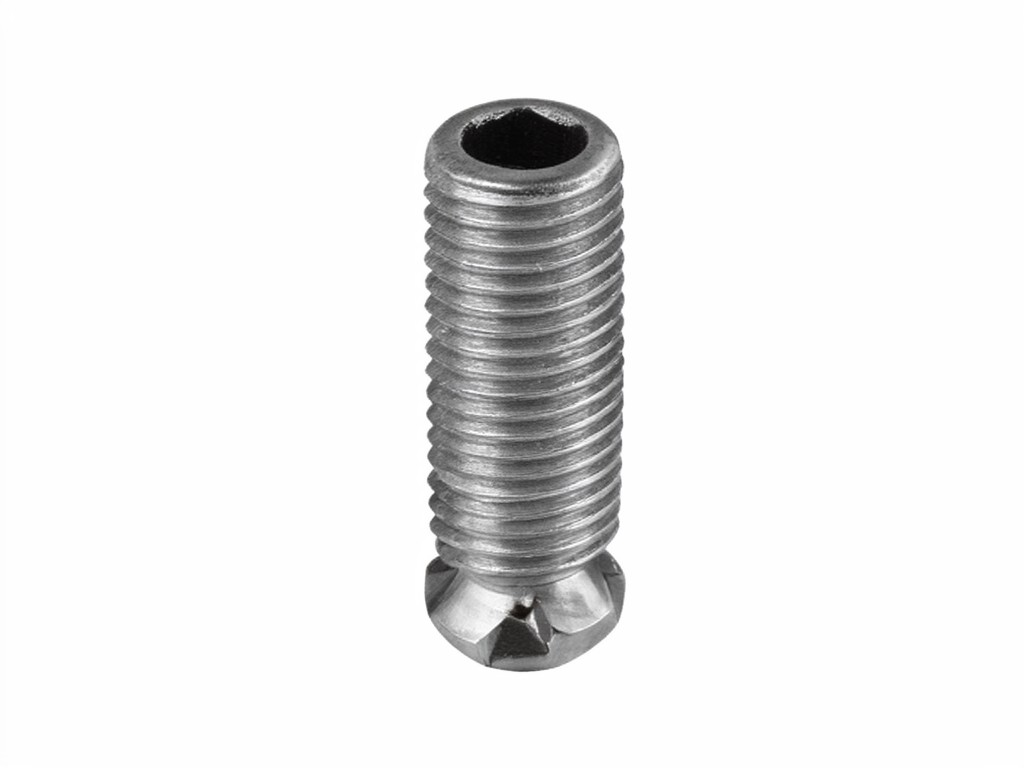
Specifying Durable m6 x 40mm countersunk bolt for Wholesale and OEM Orders
Two suppliers quoting the same specification can deliver different fits if the head angle, thread pitch or length reference is unclear. For a private-label or replacement order, M6 identifies a nominal 6 mm thread diameter and 40 mm identifies a length that must be defined on the drawing; countersunk fastener length is commonly measured from the top of the head to the tip, but the order document should confirm it.
Unit price settles the question only after material, strength grade, finish, drive recess and tolerances match the approved sample. A lower-cost carbon-steel option may suit a controlled indoor assembly, while a stainless option may be preferred where corrosion exposure drives the specification. The decision rule is simple: release against a drawing and approved sample that define the fit and service conditions, not the product name alone.
How It Performs in Use
A countersunk head sits flush only when its angle and diameter match the mating seat. If the angle is wrong, the head can sit proud or bear on a narrow edge; if the hole is oversized, tightening may not hold the joint as intended. Either mismatch can prompt field complaints even when the thread itself is within specification.
Thread engagement, drive fit and material strength also affect service. M6 coarse thread is commonly 1.0 mm pitch, but fine pitch or a nonstandard thread needs an explicit drawing callout. Agree these details before sampling:
- Specify full or partial thread, along with the thread tolerance and usable engagement length.
- Set the countersink angle, head diameter, head height and drive type to match the assembly tooling and mating recess.
- State the material, mechanical property requirement and finish; coating choice affects corrosion behaviour and may change thread fit.
Unit price and service life diverge when a finish wears through, a drive recess strips under the specified installation torque or the fastener corrodes in its actual environment. Set acceptance criteria around the assembly and exposure conditions, then compare quotations against those criteria.
Construction Method and Its Effect on Consistency
Agree the reference before the first sample. A drawing should identify the length measurement, thread form, head geometry, drive, material, grade and coating. Without those references, two samples can both be called M6 x 40 mm and still differ at assembly.
Cold heading forms the head from wire stock, after which thread rolling forms the external thread. This route supports repeatable head and thread production when the tooling and process controls match the agreed drawing. Material condition and any required heat treatment are tied to the specified grade; they should not be inferred from a finish or from the word “durable.”
For a private-label match, the approval sample should be checked in the mating countersink and with the intended driver. Record any approved drawing revision and sample identification before production release. A finish change or a different source material requires review if it can affect fit, appearance or mechanical requirements.
Comparing Two Standard Configurations
Carbon Steel with Zinc Finish
Often selected for cost-sensitive indoor assemblies where the specified mechanical grade is available and the environment is controlled. Confirm the coating requirement and its effect on thread fit; this option is not a substitute for a corrosion-resistant material where exposure demands one.
Stainless Steel
A practical choice when corrosion exposure is part of the service condition. Specify the stainless grade and required mechanical properties rather than assuming all stainless options have the same strength or installation behaviour. Material and finishing costs can exceed the zinc-finished carbon-steel configuration.
Choose between these configurations only after the buyer confirms the load, environment, mating material and installation method. If the current assembly already has an approved fastener, matching its grade and finish avoids an unnecessary redesign; a change should go through sample review first.
Who Uses It and Where It Matters
Private-label hardware buyers use this size when they need a repeatable fastener for an existing product assembly without changing the mating parts. Procurement teams also source it for maintenance kits and production lines where the countersunk head must clear a moving surface or sit flush with a panel.
For club or academy purchasing managers, the relevant use is typically repair or equipment assembly rather than an assumed sport-specific application. The fastener must fit the original seat, accept the specified driver and suit the cleaning or storage environment. A field replacement that differs in head geometry or thread pitch can damage the mating part, so retain a sample or drawing for reorders.
Working as a Production Partner, Not a Catalogue Supplier
| Inspection point | Factory check | Release reference |
|---|---|---|
| Overall length and head geometry | Dimensional measurement against the approved drawing | Drawing dimensions and tolerances |
| Thread size and form | Thread gauge and sample fit check | Pitch, tolerance and thread coverage stated on the order |
| Material and mechanical properties | Material verification and applicable mechanical testing for the specified grade | Buyer-approved grade and referenced requirements |
| Finish and appearance | Visual inspection and coating checks where specified | Approved finish description and sample |
A production partner can turn a buyer’s drawing, sample and finish requirement into a controlled inspection plan. Any tolerance not shown on the drawing should be agreed before quotation or sample approval. This prevents a catalogue substitute from entering the order simply because its nominal size appears to match.
For OEM or private-label orders, confirm whether marking, a branded bag label or another identification method is needed. Keep the artwork or label file tied to the approved part revision so a future reorder does not inherit outdated identification.
Keeping Repeat Orders Supplied
Stock Position
Availability depends on the material, grade, finish and quantity. Confirm stock against the exact approved configuration; a matching nominal size in a different finish is not an equivalent replacement.
Reorder Control
Keep the approved drawing revision, sample record and inspection criteria with the purchase specification. Batch identification can help the buyer compare incoming lots and investigate a fit or finish complaint.
If demand is recurring, share a forecast and call-off pattern during quotation. That gives the supplier a basis to discuss material planning and production slots without promising stock for an unconfirmed configuration. Revalidate the sample when a material, coating source or drawing revision changes.
Ordering, Tooling and Lead-Time Questions
What should the drawing specify beyond M6 x 40 mm?
State the thread pitch and tolerance, length reference, head angle and diameter, drive recess, thread coverage, material, grade and finish. Include any fit-critical dimensions and the mating-part reference. If the drawing is incomplete, send the existing sample for measurement and approval before production.
Does a tooling change affect the order quantity or cost?
Existing heading and thread-rolling tooling may suit a standard configuration, while a nonstandard head profile or drive can require dedicated tooling or a process review. Ask the supplier to separate any tooling charge from unit price and confirm ownership, service life and approval steps in the quotation.
When does the production lead time begin?
Confirm whether the quoted schedule starts after drawing approval, sample sign-off, artwork approval or deposit, as applicable. Material and finish availability, order quantity and any tooling work can alter the schedule, so have the supplier state the trigger and expected milestones in writing.
Send the drawing or a reference sample for a specification review before committing to production. Request a specification review to confirm fit-critical details, sample approval steps and a quotation basis for your repeat order.