


Durable m6 x 50mm countersunk bolt distributor: What Buyers Should Check Before Ordering
The complaint that repeats across reorders is rarely just “the bolt failed.” Buyers report heads sitting proud, drive recesses rounding during installation, or corrosion appearing sooner than expected. Each symptom points to a different specification gap: countersink geometry, drive and installation control, or a material and finish that do not match the service environment.
For club and academy purchasing teams, the relevant cost is the replacement and labour attached to each installed fastener, not the lowest unit price on a quote. Retail buyers face a related issue: inconsistent batches create avoidable returns when the same listed size does not seat or install the same way. Lock the drawing, material, finish and inspection points before comparing distributor prices.
Materials and Construction Trade-offs
Cold heading forms the head and shank; thread rolling is a common production route for machine threads. That process choice supports repeatable geometry, but it does not settle the questions that drive service complaints: the steel or stainless grade, the finish, and the head geometry still need to be specified. A bright coating can make an economical carbon-steel bolt suitable for dry indoor use, while damaged coating can leave exposed steel vulnerable to rust.
| Supply choice | Where it fits | Trade-off to check |
|---|---|---|
| Carbon steel with a specified protective coating | Cost-sensitive assemblies used mainly in dry, indoor conditions | Coating type and coverage affect corrosion resistance; abrasion or installation damage can expose the base steel. |
| Stainless steel, with grade confirmed on the order | Assemblies exposed to moisture or regular cleaning, subject to grade suitability | Grade affects corrosion behaviour and mechanical properties; thread galling and contact with dissimilar metals also need consideration. |
A distributor should identify the actual material and finish rather than describe a bolt only as “stainless” or “plated.” For countersunk heads, confirm the included angle and drive style as well. A mismatch between the head and the receiving countersink can leave the head proud or concentrate load at the edge of the seat.
Measured Performance in Real Use
Flush seating depends on matching the countersink in the mating part to the bolt’s head angle and diameter. If the angles differ, contact may occur at a narrow ring rather than across the seat; repeated tightening can then mark the surface, loosen the joint or leave the head above the surrounding plane. Checking fit on the actual mating part is more useful than relying on the M6 designation alone.
M6 identifies the nominal thread diameter, not the bolt’s strength or permitted tightening torque. Those depend on the material grade, thread engagement, joint design and receiving material. If the drive rounds or threads strip in service, review the drive recess, installation tool, torque control and engagement length before changing to a more costly material.
Specification Range and Customisation Limits
For an M6 × 50 mm countersunk bolt, state how the 50 mm length is measured. Countersunk fastener length is commonly measured from the top of the head to the tip, but the purchase drawing should make the reference points explicit. Also specify thread pitch, thread length, head angle, drive, material grade and finish; do not leave these to a distributor’s default assortment.
The common coarse M6 thread pitch is 1.0 mm, but confirm it against the mating part. A change in pitch, head angle or length can make stock bolts unusable even when the package still reads “M6 × 50 mm.”
Head diameter, head height, under-head profile and drive dimensions can vary with the drawing and production tooling. Agree which dimensions are acceptance-critical, along with tolerances, before production; a supplier cannot guarantee interchangeability from a nominal size alone. Custom head geometry or a non-stock drive may require dedicated tooling and a larger production quantity.
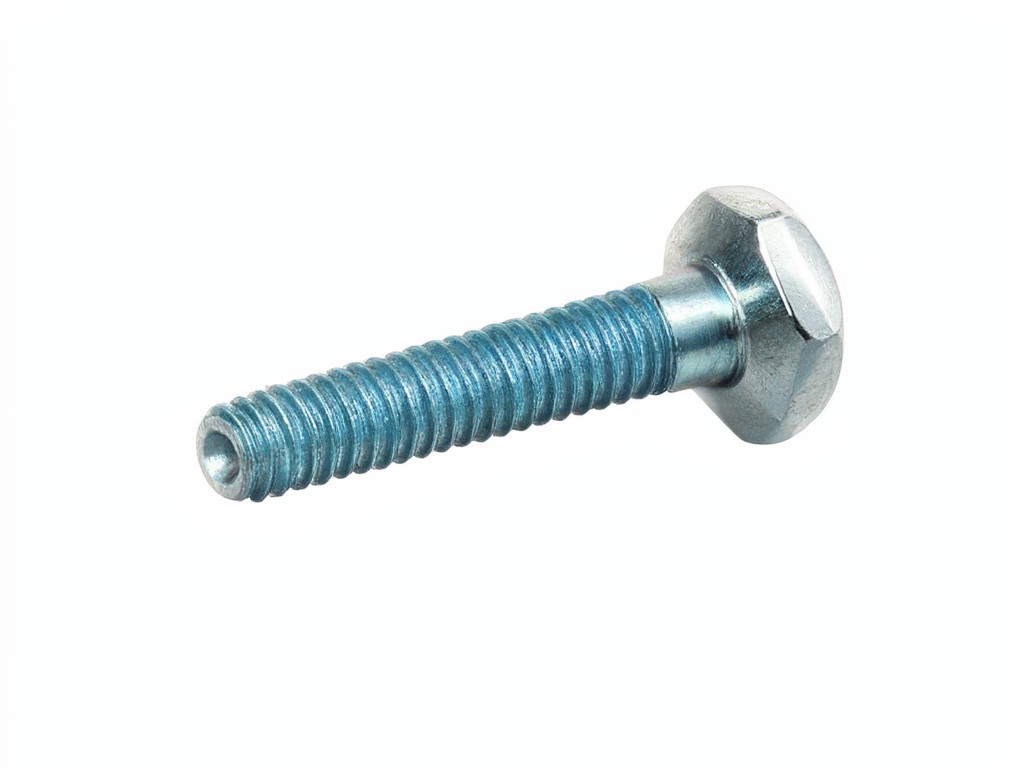
Option Comparison by Usage Level
Choose the construction against the conditions at the joint, not the word “durable” on a line card. The lower-cost option can be the better buy where exposure is mild and replacement access is easy; a material upgrade can make sense where corrosion or service disruption drives repeat expense.
Routine Indoor Replacement
A specified carbon-steel bolt with a suitable coating can keep acquisition cost down for dry indoor assemblies. Set an inspection expectation for coating damage and confirm that the joint does not require a higher mechanical property class.
Moisture-Exposed or Frequent-Service Assemblies
A suitable stainless grade may reduce corrosion-related replacements, but it is not a universal upgrade. Check the grade against the exposure, confirm compatibility with mating materials, and control installation to limit thread galling.
Compare the expected service and replacement cost per installed bolt. A unit-price saving disappears if a finish fails early, the head does not seat consistently or a non-matching batch forces a repair team to sort stock.
Working as a Production Partner, Not a Catalogue Supplier
For repeat orders, submit a controlled drawing or approved sample with the material, finish, thread and head details recorded. Ask the supplier to identify the dimensions it will monitor during production and to report any proposed process or source change before shipment. That record gives purchasing teams a practical basis for checking batch-to-batch consistency.
A stock item is usually the simpler route when its geometry and material match the assembly. Custom tooling, special finishes or tighter dimensional requirements can add setup cost and lead time; use them only for a documented fit or service issue. Approve a representative sample in the actual countersunk joint before releasing a larger production order.
Inspection Items and Test Methods
Inspection should target the features behind the complaint history, not just the package count. A practical plan can include:
- Dimensional checks on overall length, major thread diameter, pitch, head diameter and head angle against the agreed drawing.
- Thread gauges or a confirmed mating part to check thread fit and detect burrs or damage.
- A countersink fit check to confirm the head sits at the required level without rocking or binding.
- Visual review of the drive recess, coating coverage and visible surface defects; add material verification or corrosion testing when the order specification calls for it.
Torque checks are useful only when the joint, tool and acceptance limit are defined. Do not infer a safe installation torque from the M6 size by itself. For repeat supply, retain the approved specification and agree how nonconforming dimensions or finish defects will be identified and reported.
Request a Specification Review
Send the mating-part drawing or approved sample, target material and finish, and expected order volume. A specification review can flag fit or inspection details that may otherwise turn into sorting, rework or repeat replacement cost.
Contact us to review your M6 × 50 mm countersunk bolt specification.