


durable m8 double ended stud bolts supplier: What Buyers Should Check Before Ordering
Two suppliers quoting the same M8 double-ended stud specification can deliver different results in thread fit, corrosion resistance and replacement frequency. For a second-source qualification, compare the material grade, thread details, manufacturing controls and inspection records alongside unit price. A small difference in those inputs can show up as nut binding, damaged tapped holes or early corrosion after installation.
Material Options and Their Trade-offs
Corrosion at exposed threads and thread damage during assembly are common reasons buyers revisit a stud specification. Match the steel and finish to the service environment first; a corrosion-resistant grade may raise piece price, while a plated carbon-steel option can be more economical where exposure is controlled.
| Material route | Buyer trade-off | Check before approval |
|---|---|---|
| Carbon steel with a specified protective finish | Usually a lower-cost route; finish damage or unsuitable exposure can shorten service life. | Confirm strength class, finish type, coating coverage and any limits on use. |
| Stainless steel, such as an agreed A2 or A4 grade | Can improve corrosion resistance, but costs more and may need careful assembly to limit thread galling. | Name the grade and confirm mating fastener material and installation method. |
| Alloy steel with a defined strength class and finish | Suited to higher load requirements when the design calls for it; corrosion protection remains a separate decision. | Approve mechanical-property documentation and finish compatibility for the assembly. |
M8 commonly refers to a metric thread with a 1.25 mm coarse pitch, but fine-pitch versions are possible. State the pitch explicitly on the drawing or purchase specification instead of relying on the diameter callout alone.
Construction Method and Its Effect on Consistency
Specify the overall length, each threaded-end length, thread pitch and centre section separately. A general “double-ended M8 stud” description leaves room for differences that affect engagement depth, nut position and assembly feel.
A typical production route cuts steel rod or bar to length, prepares the ends and rolls the threads; heat treatment and surface finishing follow the selected material and strength requirements. Thread rolling can support consistent thread form, but it does not correct an incorrect cut length or poor control of the unthreaded centre. Ask the supplier to identify the process used for the quoted configuration and how both threaded ends are checked.
For second-source approval, compare samples for thread fit with the intended nuts and tapped components. Check straightness, overall length, usable thread length and burrs. A nut that starts unevenly or binds partway down can slow assembly and may damage mating threads.
Where This Product Beats Standard Alternatives
Use a Stud When Both Ends Need a Defined Connection
Double-ended stud
One end can engage a tapped component while the exposed end accepts a nut. This arrangement can suit assemblies that need repeatable positioning or routine removal without repeatedly turning a bolt into the tapped part.
Standard bolt
A bolt is often the simpler choice when access allows a head and the joint does not need a permanently installed threaded post. It may be less suitable where repeated removal could wear the tapped component.
The stud is not automatically the better fastener. Its value depends on the mating parts, access for assembly and replacement practice. Confirm engagement depth and installation torque with the design authority; do not treat the stud’s nominal diameter as a complete load specification.
How to Choose Before Requesting a Quote
- Send a drawing or dimensioned specification with overall length, end-thread lengths, centre section and M8 pitch.
- Name the material grade, required strength class and finish. If those are not fixed, ask the supplier to quote alternatives separately.
- Identify the mating nut and tapped material so sample approval checks the actual fit, not only a standalone stud.
- Set inspection requirements for dimensions, thread fit, surface condition and traceability before production begins.
- Request pricing at the expected order quantity and forecast volume. A low opening price has limited value if replenishment terms cannot support your schedule.
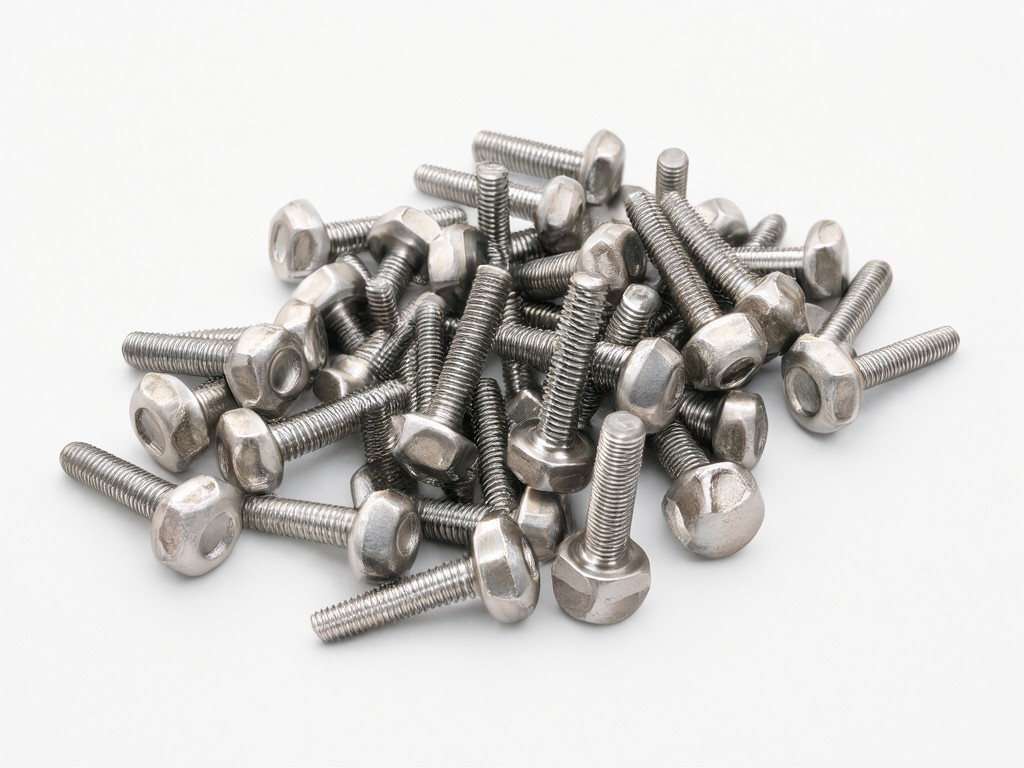
Before comparing quotations, check that both suppliers have priced the same material, process, finish, inspection scope and packing basis. Keep the approved sample and specification revision linked to the purchase record so a later reorder does not rely on an informal description.
Customisation Options and Their Limits
Finish selection affects corrosion behaviour, appearance and thread fit. Extra coating thickness can tighten the fit on a small thread, so approve finished samples with the mating components rather than judging colour or surface appearance alone.
| Finish or identification choice | Typical consideration | Approval point |
|---|---|---|
| Plain or as-machined surface | Avoids an added coating step; corrosion protection depends on the material and storage conditions. | Confirm permitted surface marks and protection requirements for storage and use. |
| Zinc or another specified plated finish | Can add corrosion protection and a consistent appearance; coating choice must suit the application. | Agree finish description, appearance sample and thread-fit acceptance. |
| Stainless material with no additional colour finish | Colour options are limited without a separate treatment; material grade drives the corrosion choice. | Approve the exact grade and any requested surface treatment before tooling or production planning. |
Custom lengths, thread lengths, end treatments and identification marks may be available, subject to equipment and quantity. Colour matching is not a substitute for a defined finish specification, and a mark on the part should not compromise the thread or its usable engagement.
OEM and ODM Programme Structure
For an OEM programme, the buyer normally provides the controlled drawing, revision level and acceptance requirements; the supplier manufactures to that definition and submits samples for approval. An ODM route can start from a supplier’s existing dimensions or production capability, then close remaining design decisions with the buyer before release.For either route, establish who owns the drawing, how revisions are approved and what records accompany each lot. A second source should be qualified against the same sample and inspection criteria as the incumbent. If the backup source changes raw material, thread process or finish, reassess the sample before routine orders.
Volume Planning and Lead Time
- Separate sample approval, first production and repeat-order timing in the quote request.
- Share forecast quantity and release frequency; special materials, finishes or non-standard lengths can change sourcing and production planning.
- Ask the supplier to state quote validity, minimum order quantity and any quantity break assumptions.
- Agree how lot identification and inspection records will support incoming checks and repeat orders.
Unit price and service life diverge when a cheaper material or finish triggers early replacement, but oversized safety stock also ties up working capital. A qualified second source helps manage supply exposure only if its available capacity, material route and reorder schedule are confirmed rather than assumed.
Setup, Use and Replacement Parts
Installation damage often starts with misaligned engagement or excessive force.Install studs with a method suited to the specified material and assembly design; avoid using the nut to force a misaligned stud into a tapped hole. Keep threads clean, use the approved mating hardware and follow the assembly torque defined by the responsible design or engineering team. Do not infer a torque value from M8 size alone.
During maintenance, inspect for corrosion, bent shanks, damaged thread crests and loosened engagement. Replace a stud if its threads no longer pass the agreed fit check or if the part shows damage that could affect joint retention. Keep replacement parts tied to the approved grade, dimensions and finish so a field repair does not introduce a mismatched fastener.
Qualifying a second source? Share the drawing, material and finish requirements, forecast volume and sample-approval criteria for a project discussion. Discuss your M8 stud bolt specification.