


factory direct 2 1 2 inch wide square u bolt clamp factory - Bulk Supply and Specification Guide
What This Product Is and Where It Fits
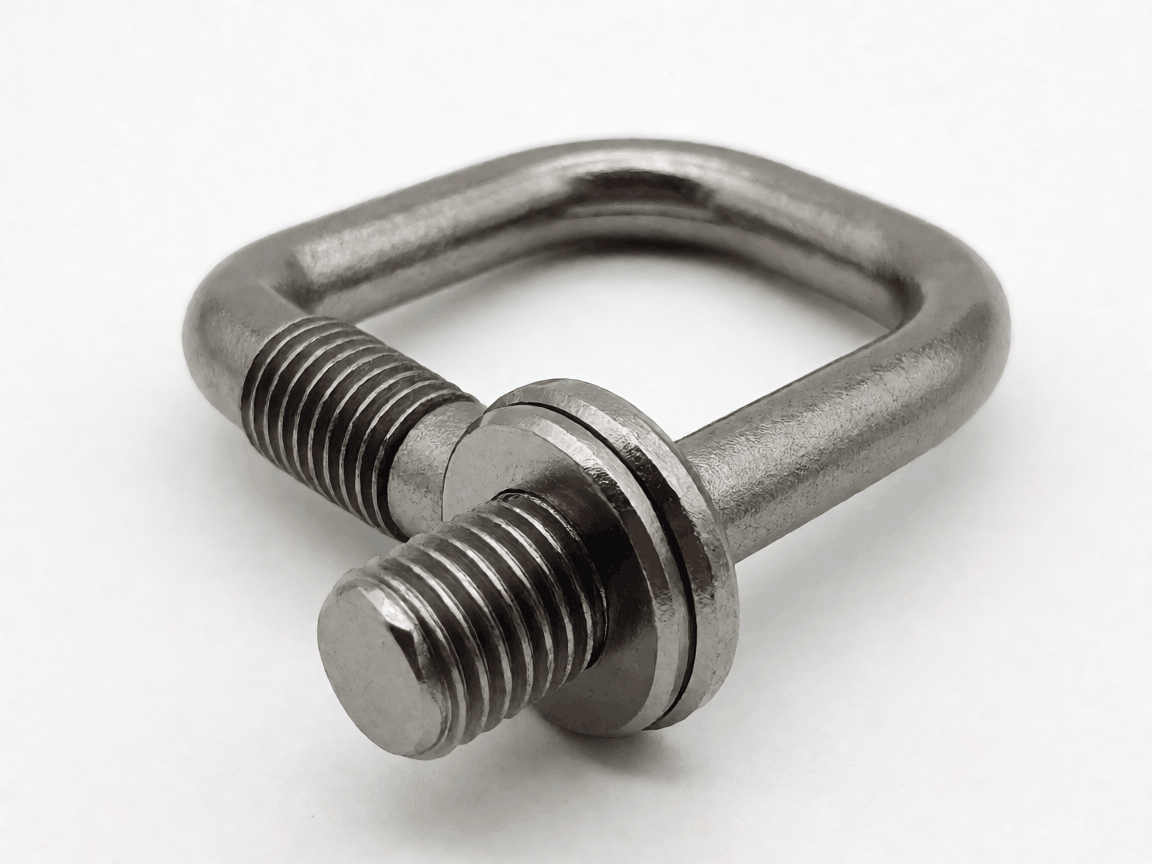
Moving from sample orders to container loads changes the cost of a fit problem: one clamp that misses its mating rail can become a run of returns. A 2 1/2-inch-wide square U-bolt clamp is a formed, threaded fastener used to secure a compatible square-section member or assembly against a mounting surface.
Brand and private-label buyers usually need repeatable fit across replacement orders, clear pack contents and a finish suited to the installation environment. The stated width alone does not define fit. Inside width, inside height, rod diameter, leg length, thread and any plate or nuts supplied all affect whether the clamp seats correctly and reaches full thread engagement.
Nominal width: 2 1/2 inches; confirm whether the drawing calls out inside or outside width.
Fit dimensions: Match the bend height and leg length to the mating part and assembly stack.
Order definition: Specify rod diameter, thread, finish and included hardware before quotation.
How Buyers Use It
For product lines supplied to installers, maintenance teams or equipment distributors, the clamp must seat squarely and remain compatible with the specified rail or frame. Outdoor exposure, washdown and frequent handling can change the finish requirement; indoor dry storage usually presents a different cost trade-off. Chlorine-bearing cleaners and persistent moisture can attack some coatings, so buyers should define the actual exposure rather than rely on a colour description alone.
How It Performs in Use
The U-bolt legs pass around the member, then nuts draw the clamp against its seat or backing plate. Even loading depends on matching the inside dimensions to the part and keeping the legs parallel enough for the nuts to start cleanly. If the opening is too narrow, installers may force the clamp and damage the coating; too much clearance can allow movement before the nuts take load.
Fit rule: approve a sample against the actual mating part, including any pad, plate or surface covering. A nominal 2 1/2-inch width is not a substitute for a defined inside-width measurement and tolerance.
Repeat-order complaints tend to trace back to a changed bend, inconsistent leg spacing, damaged threads or coating loss around formed areas. Factory checks can compare key dimensions to the approved drawing, inspect thread engagement and examine the finish after forming. For field exposure, confirm coating compatibility with the cleaning agent and storage conditions; a finish that suits dry indoor stock may not suit repeated wet cleaning or outdoor UV exposure.
What Can Be Customised and What Cannot
Width, bend height, rod diameter, leg length, thread and supplied hardware can be set to a buyer’s drawing, subject to forming and threading capability. A change to rod diameter or bend geometry may require a different forming setup and can affect unit cost, tooling charges and sample timing. Keep the approved drawing and sample revision tied to the purchase order.
| Finish route | Typical appearance | Buyer consideration |
|---|---|---|
| Zinc coating | Usually silver-toned; colour can vary by coating route. | A common cost-conscious option for general service. Confirm corrosion expectations and cleaner exposure before approval. |
| Hot-dip galvanized finish | Duller grey with a thicker visible coating. | Coating build can affect thread fit and nut engagement; verify the finished assembly, not only the uncoated part. |
| Uncoated or alternate finish | Appearance depends on the selected material and process. | Specify the intended environment and acceptance criteria. A dark or bright appearance alone does not define corrosion performance. |
Colour matching is limited by the coating process and batch variation. Branding on the clamp itself may be impractical at this size; retail labels, carton marks and pack quantities are usually easier to control. Do not change the approved finish, thread or hardware set between orders without a documented sample review.
Capacity, Tooling and Scheduling
Production commonly uses rod or bar forming, end threading and a specified surface-finishing route. Existing tooling may suit a standard bend and width; drawing changes to the opening, leg spacing or rod size can call for a setup review or new tooling. Buyers should allow time for a first sample, dimensional approval and finish confirmation before the bulk run.
Scheduling depends on the confirmed drawing, material availability, finish queue, batch quantity and packaging requirements. A fixed ship date is easier to protect when the buyer freezes the sample revision early and approves label artwork before production packing. Carton count, inner-pack method and mixed-item loading should be agreed at quotation so the shipment arrives ready for the buyer’s receiving process.
Questions Buyers Ask Before Ordering
Does 2 1/2 Inches Mean the Inside Width?
Not necessarily. The purchase drawing should state inside or outside width and include the bend height, rod diameter and tolerances. If the clamp fits over a coated or covered member, provide that finished dimension for sample checking.
Can the Existing Tooling Make a Changed Leg Length?
A leg-length change may be possible without replacing the main forming tool, but the factory must check the feed, cut length and thread setup. Confirm any setup charge and revised sample schedule before releasing the order.
What Should We Submit for a Finish Used Around Washdown?
Provide the cleaning chemical details, frequency of wet exposure and whether the clamp sees outdoor UV or abrasion during installation. The factory can then review the finish route and sample acceptance needs. Do not select a coating from colour alone.
How Can We Keep Reorders Consistent?
Reference the approved drawing revision, sample, finish and pack specification on each purchase order. Request confirmation before any substitution to material, coating or included nuts and washers.
Request a Tooling Review
Send the mating-part dimensions, clamp drawing, finish conditions, target quantity and required ship window. The factory can review fit, tooling and sample steps before the bulk order is scheduled.