


factory direct 8 inch square u bolts clamp exporter: Specification, Ordering and Quality Notes
What Actually Determines Performance
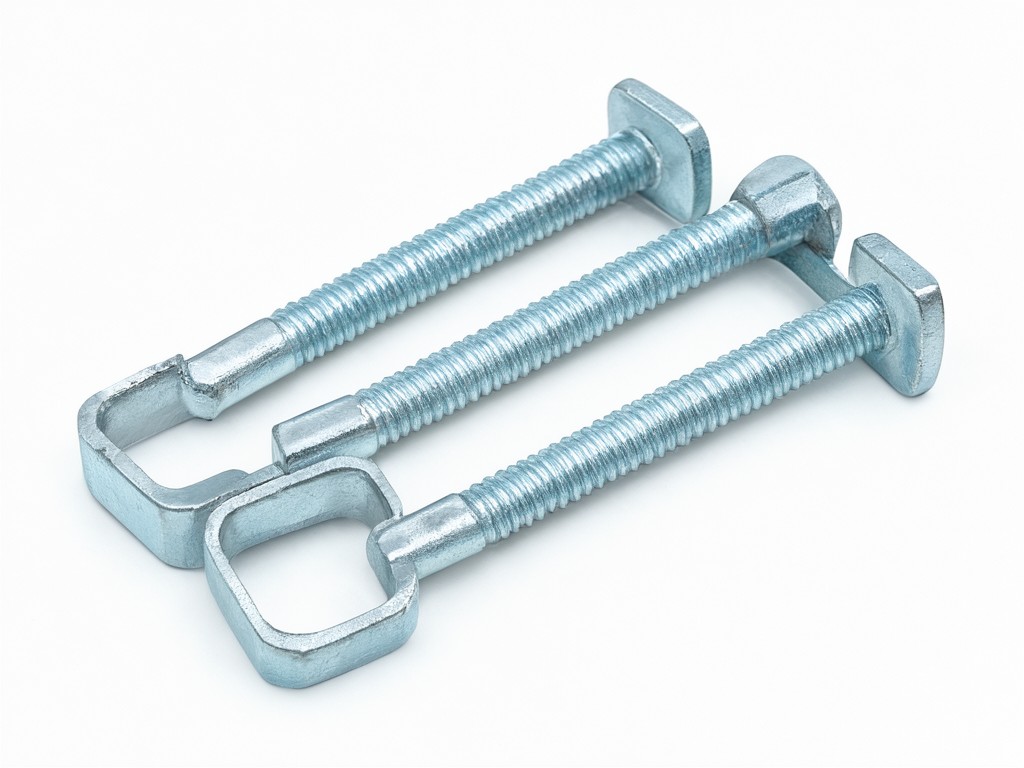
The interface between parts determines whether an 8-inch square U-bolt seats evenly or pulls the clamp out of alignment. Here, “square” describes the bend geometry; the fastener is commonly formed from round steel rod. The 8-inch designation must also be tied to a drawing dimension: buyers may mean inside width, leg length, or another nominal measurement.
A controlled mandrel-forming process sets the inside width and corner shape; the rod diameter, bend radius, thread size, and leg length determine fit and clamp load. Threads are formed or cut to the approved drawing after bending, then checked for nut engagement. If a mating member has a coating or dimensional variation, allow for that at the interface rather than relying on nut torque to pull a poor fit into place.
Drawing rule: specify inside width, inside height or leg length as separate dimensions, with rod diameter, thread details, bend tolerance, material, finish, nuts, and clamp plate requirements. Do not use “8 inch” as the only fit instruction.
Option Comparison by Usage Level
Carbon Steel With Zinc Finish
For indoor or sheltered service, carbon steel with an agreed zinc finish can keep the unit cost lower. Coating adds corrosion protection but also affects thread fit and nut engagement, so approve the finished part rather than assessing a bare sample.
Hot-Dip Galvanized or Stainless Steel
For more corrosive exposure, hot-dip galvanizing or a specified stainless grade may reduce finish-related replacement and warranty costs. These choices affect price, lead-time planning, and thread clearance; confirm nut fit and coating allowance against the assembly drawing.
Balance and load analysis shows why the lowest purchase price is not always the lowest cost per unit sold. A smaller rod diameter or thinner finish may lower the quote, but an undersized clamp or premature corrosion can raise returns and replacement expense. Select material and finish from the service environment and approved load requirements; do not infer a load rating from the nominal size alone.
Assumptions Buyers Should Stop Making
| Specification choice | What to check | Cost or service consequence |
|---|---|---|
| Nominal “8 inch” size | Identify the measured span and its tolerance on the drawing. | A dimension mismatch can cause assembly stoppage or rework even when the product label matches the order. |
| Generic torque instruction | Set torque from the material, thread, coating, lubrication, and assembly design. | A single assumed value can cause under-clamping or thread and fastener damage. |
| Finish judged on appearance alone | Check coverage, thread engagement, and the agreed corrosion test method on production samples. | A visually even coating does not by itself confirm assembly fit or corrosion performance. |
Consistency depends on measuring the finished part at the same reference points from sample approval through repeat production. A practical control plan checks bend width and height with a fixture, rod diameter and leg length with dimensional gauges, and thread engagement with the specified gauge or mating nut. Coating thickness and corrosion exposure checks should follow the agreed finish specification; test duration and acceptance criteria belong in the order documentation.
- Approve a production-representative sample with the final material and finish, not a bare, uncoated prototype.
- Record the drawing revision and agreed inspection points against each batch.
- Ask for a corrective-action review if bend drift, damaged threads, or finish variation appears in incoming inspection.
Working as a Production Partner, Not a Catalogue Supplier
A repeatable OEM order starts with a controlled drawing, not a catalogue description. Send the mating-part dimensions, required rod and thread sizes, material grade, finish, nut and plate details, and any load or corrosion criteria used in your assembly. If the drawing is incomplete, a drawing review can identify the missing dimensions before tooling or bulk production begins.
Private-label work can include carton labels, part identification, and batch references to match the buyer’s packaging plan. Agree artwork files, label placement, language, and carton quantities before order release. Consistent approved references help procurement compare reorders and investigate returns without relying on appearance alone.
For an OEM change, review forming dimensions, thread fit, finish, and packaging together. A change to one can affect the others, particularly when coating changes nut engagement or a revised bend changes the clamp’s contact points.
Keeping Repeat Orders Supplied
Repeat-order availability depends on the approved drawing, rod diameter, finish route, and packaging configuration. Stock of a similar size is not a substitute for a confirmed specification, especially where the 8-inch dimension or thread details differ. Use the order record below to set commercial expectations before releasing a purchase order.
| Order stage | MOQ basis | Lead-time planning |
|---|---|---|
| New size or construction | Quoted against tooling, material availability, finish, and inspection requirements. | Allow for drawing review, sample approval, and any required tooling before the production schedule is confirmed. |
| Approved repeat specification | Set by the chosen rod, finish, pack quantity, and order volume; confirm the quantity in the quotation. | Confirm against current material and finishing schedules at order placement; do not assume a prior shipment date carries forward. |
| Private-label pack revision | Depends on label, carton, and pack-out requirements. | Include artwork approval and packaging materials in the confirmed schedule. |
For an export reorder, keep the approved drawing revision, inspection plan, finish description, carton details, and batch identification aligned with the original approval. This reduces the risk of a lower unit price being offset by receiving delays, rework, or warranty claims.
Request an Artwork and Branding Review
Send the product drawing, target quantity, finish choice, and draft label or carton artwork for a specification and packaging review before quotation. Contact the production team to align the approved sample, batch inspection points, and private-label requirements.