


factory direct din 6921 flange bolt specifications wholesale: What Buyers Should Check Before Ordering
Selection rule: Lock the diameter, length, property class, flange style and coating as one controlled specification. A lower-priced bolt that changes any of these can raise the cost per unit sold through fit issues, assembly delays or warranty returns.
Before comparing quotations, match the full part description and inspection basis—not just “DIN 6921” and a thread size. For importers, private-label buyers and OEM teams, repeatable dimensions and finish across purchase lots matter because mixed lots can create installation complaints that cost more than the original price difference.
What This Product Is and Where It Fits
A DIN 6921 flange bolt is a metric hex-head fastener with an integral flange beneath the head. The flange spreads bearing load over a wider area than a conventional hex bolt head; a serrated underside is a separate feature and should not be assumed unless the drawing or purchase specification calls for it.
These bolts are used in equipment, vehicle, frame and bracket assemblies where the mating parts and joint design suit a flanged head. Confirm the applicable dimensional reference and revision with the supplier. Buyers should also specify whether washers are excluded, whether threads are full or partial, and how length is measured.
Materials and Construction Trade-offs
For general machinery joints, carbon steel property classes such as 8.8 or 10.9 offer different strength levels and price points; the joint design must determine the required class. Stainless options such as A2 or A4 suit different corrosion conditions, but they are not direct strength-class substitutes. Ask for the material and mechanical-property requirements to be quoted separately.
| Specification item | Common order choices | Buyer check |
|---|---|---|
| Thread and size | Metric diameter and length to the approved drawing or dimensional reference | State pitch, thread length, tolerance requirements and length measurement point. |
| Steel and property class | Carbon steel options commonly include 8.8 and 10.9; stainless grades are specified separately. | Tie class or grade to the assembly requirement and required test evidence. |
| Flange underside | Smooth or serrated, only as specified | Check contact surface, mating material and whether surface marking is acceptable. |
| Protective finish | Uncoated, zinc-based or another agreed coating | Specify colour, corrosion-test requirement if applicable, and acceptable thread fit after coating. |
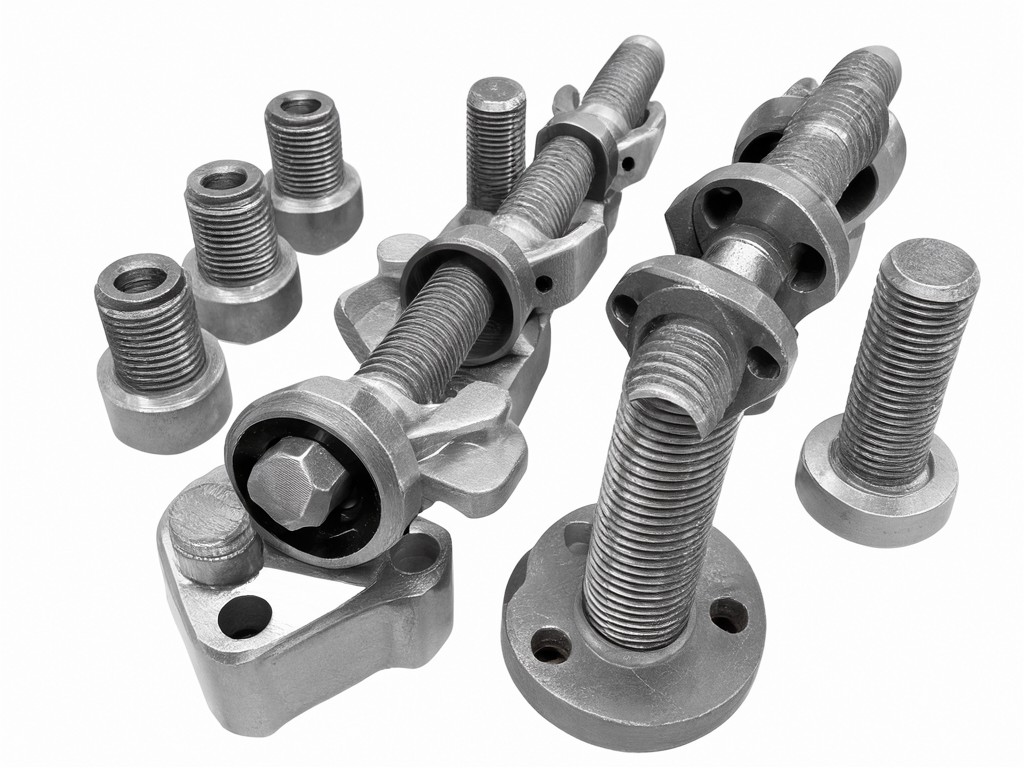
Coating adds corrosion protection but can change thread fit, appearance and price. A thicker coating or a special colour may require tighter process controls and a longer supply window; agree the finish and acceptance limits before approving the production sample.
Usage Scenarios and Buyer Segments
Equipment makers use flange bolts in bracket, guard and frame joints where the flange can bear against the mating part without interfering with nearby features. Vehicle and equipment aftermarket distributors often need a broader size range and clear identification by diameter, length, class and finish. For outdoor or washdown exposure, the coating or stainless selection must match the actual environment; a generic “corrosion resistant” description is not a usable acceptance criterion.
For private-label packs, incorrect part identification can be as costly as a dimensional defect. Confirm the printed description, barcode data, pack quantity and country-of-origin marking requirements before the first bulk shipment.
Requirements by Buyer Segment
OEM purchasing teams typically need drawing-level control, agreed inspection records and lot identification that connects incoming stock to the production order. They should define which dimensions are critical to assembly and what happens when a lot falls outside those limits.
Importers usually balance landed cost against the cost of sorting, claims and replenishment. Private-label buyers also need stable finish appearance, pack presentation and repeatable carton quantities. For all three groups, evaluate price against the expected cost per unit sold: include inspection, repacking, returns and warranty exposure in the comparison.
Two suppliers quoting the same specification may use different sampling plans or interpret an unspecified finish differently. Put the drawing revision, packaging basis and inspection agreement on the purchase order so later lots have the same acceptance point.
How Consistency Is Held Across Batches
Thread fit, flange dimensions and coating thickness are common sources of batch variation. Cold-formed head geometry and rolled threads need consistent tooling and process control; heat treatment and finishing must also stay matched to the approved material and property class. Ask the factory how it identifies production lots and separates material, heat-treatment and finish records.
A retained, approved sample can help settle visual or fit disputes, but it does not replace written tolerances. Record the sample revision, measurement method and any permitted finish variation. If a change in source material, coating or production setup is proposed, require review before the change enters a repeat order.
What Gets Checked Before Shipment
Inspection should reflect the ordered specification, not a generic fastener checklist. Dimensional checks can cover thread diameter and pitch, length, head dimensions, flange diameter and flange condition. Thread gauges help identify fit problems; visual review can catch burrs, damaged threads, coating skips and handling marks.
For property-class orders, agree the applicable mechanical tests and reporting requirements before production. Coated parts may need a finish-thickness or corrosion test when the buyer specifies one. Set the sample size, rejection rule and record format in advance; do not rely on an unqualified claim that a lot was “checked.”
A short incoming trial on the buyer’s mating parts can reveal coating-related thread resistance or flange interference before the full batch enters assembly. It is a practical extra check for a new part or a changed finish.
Keeping Repeat Orders Supplied
Unit price settles the question only after the reorder risk is clear. Common catalogue sizes may have a shorter replenishment path than a special length, nonstandard flange detail or custom coating. Confirm the current stock position, minimum order quantity, production window and packaging lead time against the actual line items; availability can differ by size and finish.
For export orders, specify inner-pack quantity, carton markings, moisture protection where needed and lot labels that remain legible through receiving. Forecast sharing can help schedule repeat production, but forecast quantities should remain distinct from firm purchase orders.
To discuss a project, send the size schedule, drawing or dimensional reference, material and class, finish, annual volume and packaging requirements. Contact the team to review the specification and repeat-order plan before quotation approval.