


Specifying factory direct metric allen head cap screws wholesale for Wholesale and OEM Orders
Cheaper stock options fail at the worst point in the season: after an OEM assembly run or distributor replenishment has started. For bulk buyers, replacement rate and delivery continuity matter more than a small saving on the first unit price.
A factory-direct order can control cost when the screw specification stays stable across repeat lots. Confirm the thread, length, strength class, finish and packing format before production; a late change to any of them can delay approval or leave stock incompatible with the mating part.
Design Constraints Behind the Specification
| Finish and appearance | Typical use consideration | Check before release |
|---|---|---|
| Plain or lightly oiled; metallic appearance | Useful where the assembly has its own corrosion protection or the screw is used in a controlled indoor environment. | Specify oil condition and protective packing to limit corrosion during storage and transit. |
| Black oxide; dark finish | Selected for a dark appearance where the service environment does not require a thick corrosion barrier. | Agree the oiling and corrosion-protection expectation; black appearance alone does not define corrosion performance. |
| Zinc plated; silver or coloured passivate appearance | A common choice when a brighter finish and added corrosion protection are required. | Confirm coating and thread-fit requirements together. High-strength screws need a defined plating process and risk controls. |
| Stainless steel; natural metallic appearance | Chosen where corrosion resistance is part of the assembly requirement. | Check grade compatibility and assembly torque; stainless threads can gall under some conditions. |
Socket head cap screws are typically cold headed, thread rolled and, where required, heat treated before finishing. Each operation affects a buyer-visible complaint: a poorly formed socket rounds under the key, inconsistent threads slow assembly, and an unsuitable finish wears or corrodes before the screw reaches its expected service interval.
Define the nominal diameter, pitch, under-head length, head dimensions, socket drive and strength class from the mating design. A finish can change thread fit, so approve finished parts rather than relying only on a drawing for the uncoated screw.
How to Choose Before Requesting a Quote
Start with the installed joint, not a catalogue label. A screw that matches the diameter but has the wrong pitch or under-head length can bottom out, reduce thread engagement or interfere with the assembly.
- Send a dimensioned drawing or a verified reference sample, including thread pitch, length measurement method and socket size.
- State the required strength class and mating material. Do not substitute a class based on price alone; joint load and tightening method set the requirement.
- Give the finish, appearance and service environment. If corrosion testing is part of acceptance, define the method and acceptance criteria before the quote.
- Include annual demand, release quantities, carton or bag quantities, label language and delivery destination so the quote accounts for packing and shipment requirements.
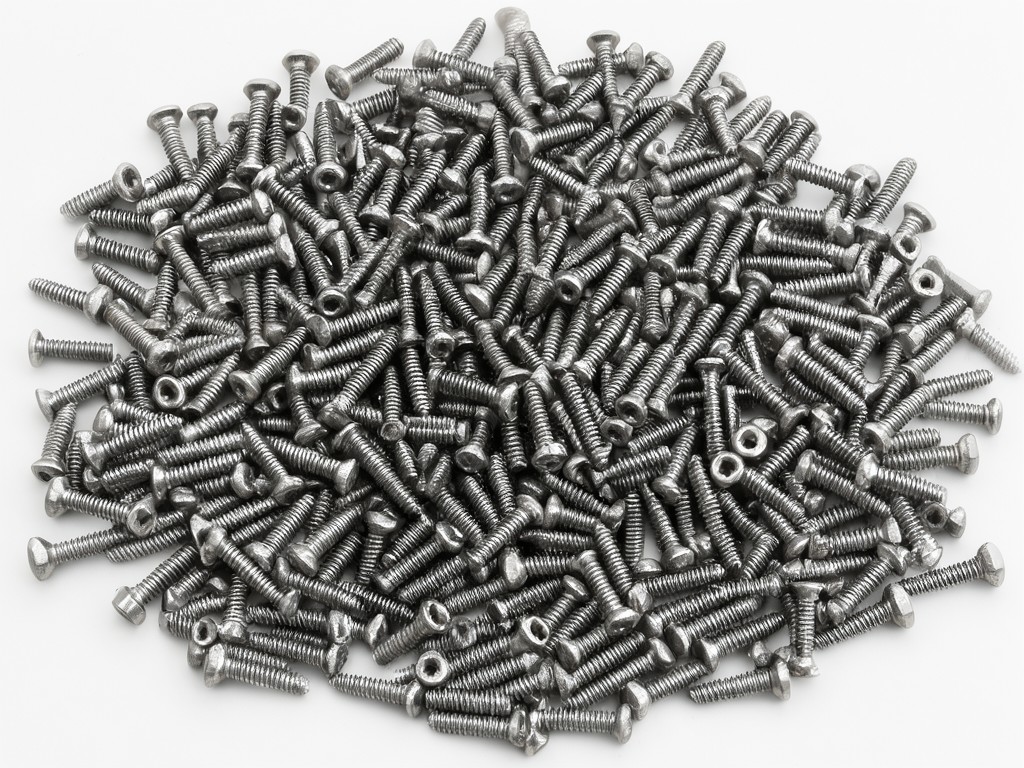
A sample approval should cover the actual finished screw, not just a material or finish swatch. Check fit with the intended hex key, mating thread and assembly process before the production lot is released.
Assumptions Buyers Should Stop Making
A familiar size and finish name do not guarantee interchangeability. Socket dimensions, thread tolerances, strength class, coating build and packing can vary between sources; record the approved sample and drawing revision against each purchase order.
A low unit price can also hide the cost of sorting mixed lots or replacing screws with rounded sockets. Ask how the factory checks dimensions, thread fit, hardness where specified, finish condition and lot identification. Agree the sampling plan and records needed for your receiving inspection before the order is placed.
Stock availability is not the same as a committed ship date. Finishing capacity, export packing and label approval can become the schedule constraint, especially when a buyer requests a non-stock colour, special marking or short production window.
Usage Scenarios and Buyer Segments
Industrial equipment assemblers use metric cap screws in repeat joints where socket access matters and a controlled tightening process helps maintain assembly consistency. Maintenance-kit distributors need stable dimensions and clear identification across replenishment lots, since a substitute that looks similar may not fit the service part.
Standard Dimensions, Repeat Orders
A stock size with an established finish is usually the faster route for importers working to a launch date. Confirm that the required quantity is available by finish and strength class, then reserve production and packing capacity against the agreed ship window.
Custom Marking or Non-Stock Details
Special head marks, unusual dimensions or dedicated packing can add setup work and extend approval time. Tooling amortisation decides whether a custom feature makes sense: compare the setup cost with forecast volume and the cost of holding a standard item in inventory.
Private-label buyers also need packaging that preserves lot identity through import and warehouse handling. Keep carton labels, internal bag labels and purchase-order references aligned so a replenishment lot can be matched to the approved sample without opening every pack.
Segment-Specific Requirements
Importers should prioritise a confirmed production window, export packing and lot traceability. Request a schedule that includes sample approval, finishing, final inspection and dispatch; a target date without these stages does not show where a delay can occur.
Private-label buyers should settle marking artwork, pack quantity, language and barcode placement before production. Brand product managers should freeze the drawing revision and the approved finish sample before a launch order, then carry those references into reorder documents. These controls reduce the chance that a visually similar but mechanically different screw enters the next lot.
- For a first order, agree the sample quantity and approval route early; approval time sits outside the factory production lead time.
- For repeat orders, identify allowable variation and lot records in the purchase specification, especially for finish and thread fit.
- For launch-critical stock, confirm whether split shipments are acceptable and how each carton will identify its contents and production lot.
Request a Sample for Your Wholesale or OEM Order
Send the drawing or reference sample, target quantity, finish, required delivery window and packing details. A pre-production sample lets your team check socket engagement, thread fit and appearance before the bulk lot enters packing.
Request a sample and factory-direct quotation with the specification and launch date you need to meet.