


factory direct stainless steel metric flange bolts factory - Bulk Supply and Specification Guide
What the Design Has to Balance
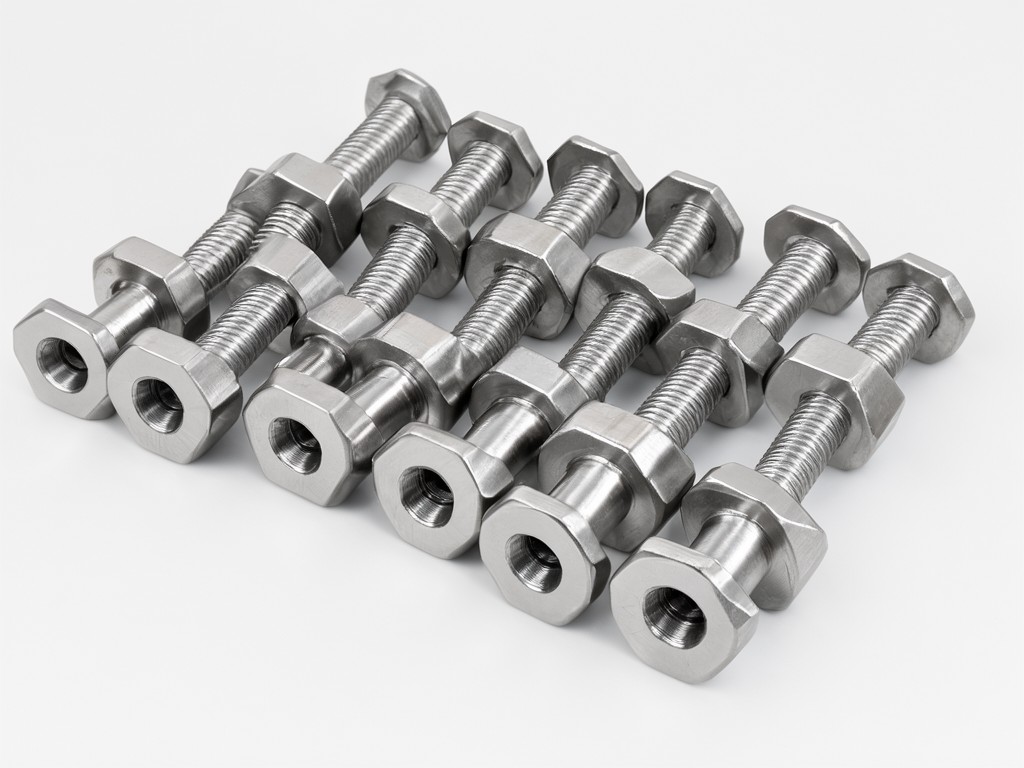
Before comparing quotations, confirm that the bolt matches the joint drawing: thread diameter and pitch, under-head length, flange diameter, bearing face, and drive style. The integral flange spreads clamp load across a wider area than a standard hex head. A serrated face can resist rotation, but it may mark a softer mating surface; a plain flange suits assemblies where surface condition matters.
For common metric sizes, cold heading forms the head and flange from stainless wire, then thread rolling forms the thread. Existing tooling can keep unit cost down. A change to flange diameter, head height, or drive feature may require new or modified tooling, plus a first-article review before production release.
Thread and Length
Specify metric diameter, pitch, and length measured from beneath the flange to the tip. Confirm whether the drawing calls for a full or partial thread.
Flange Face
Set the flange diameter and choose a plain or serrated underside to suit the mating part, clamp load, and surface-finish limits.
Material and Finish
Record the stainless grade and property class on the purchase specification. Identify any passivation or other finish requirement separately.
Drawing control: Keep flange dimensions, thread details, material designation, and inspection points on one approved drawing. A nominal size alone does not define a repeatable flange bolt.
Option Comparison by Usage Level
Unit price and service life diverge when the joint sees repeated vibration, frequent assembly, or exposure to moisture. Match the flange face and stainless specification to the actual duty rather than paying for a feature the assembly does not use.
Standard Repeat Runs
For stable drawings and planned replenishment, a plain flange and existing cold-heading tooling usually offer the lowest setup burden. Consistent specifications also make lot-to-lot dimensional checks simpler.
Higher-Service Assemblies
Where the joint needs added resistance to loosening, a serrated flange may be appropriate if the mating surface can accept tooth marks. For corrosive exposure, confirm the stainless grade against the service environment before release.
A custom flange or head feature can improve fit, but the buyer should weigh that benefit against tooling charges, sample approval, and the smaller production lot over which those costs are spread.
Usage Scenarios and Buyer Segments
Assembly frequency and site conditions shape the specification. Buyers typically source these bolts for:
- Equipment assemblers that need the flange to spread bearing load without adding a separate washer at each joint.
- Importers supplying maintenance distributors, where size labels, pack quantities, and repeatable dimensions must match the catalogue listing.
- Procurement teams buying for outdoor or damp-service assemblies, which need a stainless grade suited to the exposure and a clear material record by lot.
- Private-label hardware programs that must retain an approved drawing while adding buyer-specific packaging, carton marks, or head identification.
Requirements by Buyer Segment
Wholesale buyers usually need a stable core size range, pack quantities that suit their channel, and clear separation between variants. Importers often place greater weight on carton dimensions, shipping marks, and paperwork that links incoming stock to the approved specification.
Procurement officers should provide the drawing revision, annual demand estimate, order release pattern, and inspection requirements with the request for quotation. If a private-label specification already exists, a drawing and a retained reference sample help prevent substitutions in flange style, thread pitch, or surface finish during later orders.
Dimensional checks can cover overall length, flange diameter, head dimensions, and thread fit. Agree on sampling and documentation before the production lot starts; acceptance criteria should follow the buyer's drawing and purchase terms.
Volume Planning and Lead Time
Unit price settles the question only after tooling, setup, inspection, and packing are accounted for. With established tooling and a repeat drawing, a larger release spreads setup cost across more pieces. A new flange profile or head feature adds tooling review and sample approval, so the first order may carry a different cost and schedule from later replenishment.
Lead time depends on the stainless wire availability, size mix, production queue, finishing requirements, and whether tooling needs change. Combining several sizes can use a shared shipment plan, but each size still requires its own setup and inspection. Share forecast volumes and requested ship dates early so the factory can quote production lots and release windows separately.
Cost review: Ask the quotation to distinguish piece price, any tooling charge, sample cost, packaging, and freight assumptions. That breakdown makes volume-step comparisons useful rather than misleading.
Keeping Repeat Orders Supplied
Stock availability depends on the selected size, stainless grade, and current production plan; confirm available quantities against the required drawing before treating any item as stock. For planned reorders, preserve the approved specification and packaging details so the next lot can use the same process route where capacity allows.
The mass figures below are indicative only. Flange geometry, thread length, drive style, and stainless grade change the actual piece weight, so use approved drawings and a production sample for freight and inventory calculations.
| Metric Size | Illustrative Length | Indicative Mass per Piece | Material Specification |
|---|---|---|---|
| M6 | 16 mm | Approximately 3.5–5 g | Specify stainless grade and property class on the drawing. |
| M8 | 20 mm | Approximately 8–11 g | A2 or A4 options may be quoted to the required class. |
| M10 | 25 mm | Approximately 15–20 g | Confirm grade, class, and finish before order release. |
| M12 | 30 mm | Approximately 25–33 g | Use the approved material designation for repeat lots. |
For repeat supply, align forecast updates with production capacity and agree whether each order ships as a single lot or in scheduled releases. Carton labels can carry the buyer's part number, size, lot reference, and pack quantity when the artwork and data are approved in advance.
Request a Quotation Review
Send the drawing, stainless grade and class, estimated annual volume, first-order quantity, inspection needs, and packaging requirements. The factory can review tooling status, production-lot economics, and the schedule against your approved specification.