


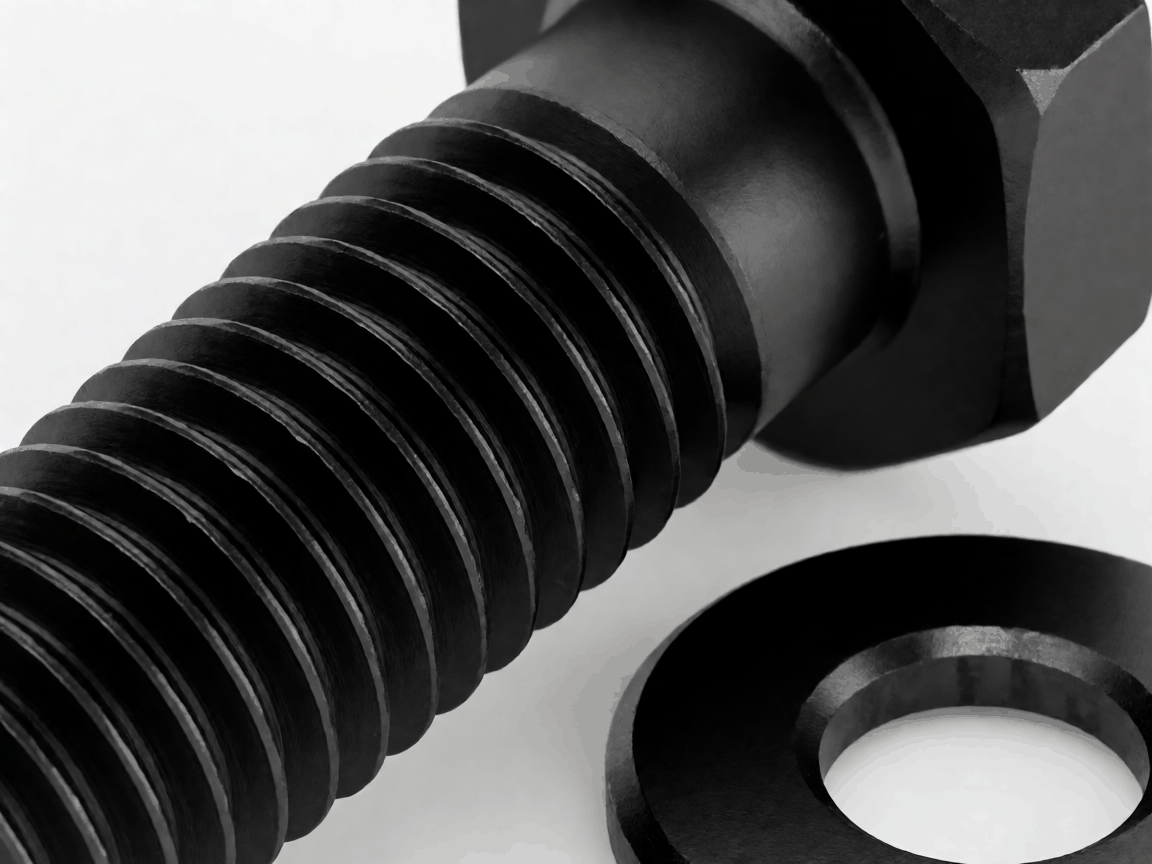
Factory direct u bolt black supplier: Specification, Ordering and Quality Notes
Material choice starts with the conditions the product will meet. A black-oxide carbon-steel U-bolt suits indoor assemblies where appearance and fit matter more than extended exposure to moisture. For outdoor equipment, washdown areas, or installations exposed to pool chemicals, specify a finish with more corrosion protection; the finish choice affects both price and fit at the threads.
For an OEM drawing or private-label reorder, define rod diameter, inside width, leg length, thread length, material, and finish together. Matching those details to the mating pipe or support helps avoid a redesign and limits fit changes between batches.
Measured Performance in Real Use
Fit and finish consistency matter more than appearance alone: a small change in the inside width or leg alignment can complicate assembly, while coating build-up can affect nut travel. Confirm critical dimensions against the mating part and drawing revision before approving a production sample.
Fit dimensions
Set inside width to the tube or support outside diameter, with clearance for the mounting arrangement. Specify leg length and thread engagement on the same drawing.
Material and finish
Carbon steel with black oxide is a cost-conscious indoor option. Stainless steel or a specified protective black coating may suit wetter service, subject to the required strength and finish build.
Thread and assembly
Call out thread diameter, pitch, and usable length. Check nut fit after finishing; coating on the thread can change the feel or prevent full engagement.
Black oxide is a thin conversion finish, not a stand-alone barrier for prolonged wet or chemical exposure. If corrosion resistance is part of the purchase requirement, name the coating system and acceptance criteria on the drawing rather than specifying colour alone.
Load capacity depends on rod grade, dimensions, installation, and the supporting structure. Do not infer a working load from appearance or diameter alone; request engineering review or test data for the intended assembly.
Capacity, Tooling and Scheduling
Production typically follows the released drawing: cut rod, form the U bend, finish the threaded legs, then apply the selected surface treatment. Existing bending setups can shorten preparation for repeat sizes. A new bend radius, unusual leg spacing, or tight dimensional tolerance may require a dedicated fixture and sample approval before the production schedule is confirmed.
| Order stage | MOQ basis | Lead-time factors |
|---|---|---|
| Sample or first article | Quoted by size, material, finish, and setup needs | Drawing review, fixture availability, and sample approval |
| Repeat production | Depends on batch size and the selected finish run | Rod and coating availability, order quantity, and current factory loading |
| Custom size or finish | May rise where a dedicated setup or minimum coating batch applies | Tooling confirmation and finish supplier schedule |
MOQ and dispatch timing should be confirmed against the final specification. Sharing expected annual volume and release quantities helps the factory assess whether a scheduled production run or a larger coating batch will reduce the unit cost.
Keeping Repeat Orders Supplied
Repeat supply depends on holding the approved geometry and finish, not just the part name. Keep one controlled drawing revision with rod diameter, inside dimensions, leg length, thread details, material grade, finish, and packing instructions. A retained approved sample can help resolve questions about bend shape or visual black tone.
Common rod sizes may be easier to schedule than a custom diameter, but finished U-bolts are often made to the order dimensions. Stock status therefore needs confirmation by material and finish; it should not be assumed from a similar catalogue size. For repeat releases, agree forecast quantities and call-off dates early, especially when the selected coating is supplied in production batches.
- Freeze the sample and drawing revision before a private-label purchase order is released.
- Use incoming checks for key dimensions, thread engagement, finish appearance, and quantity by lot.
- Request advance notice if a material source or finish process changes between orders.
Export Packaging and Handling Protection
Thread ends can rub against adjacent parts in transit, and trapped moisture can mark an oil-treated black-oxide surface. Pack by size or SKU, separate contact points where needed, and protect exposed threads with suitable caps or dividers. For sea freight or humid routes, discuss dry packing and a corrosion-inhibiting wrap appropriate to the finish.
Carton labels can carry buyer part number, drawing revision, quantity, and batch identification. Confirm carton strength and pallet configuration against shipment weight and the importer’s receiving process; mixed-size cartons need clear internal separation to prevent picking errors.
Care, Storage and Service Life
Finish choice sets the maintenance burden. Black oxide can suit dry indoor service, but regular wetting, chlorine exposure, sweat, or aggressive cleaning can strip protective oil and promote corrosion. UV does not attack the steel itself, though prolonged sun can age some organic coatings; abrasion at contact points can expose the metal underneath.
- Wipe off moisture and cleaning residue, then dry the U-bolt and nearby hardware before storage.
- Avoid abrasive pads and strong chemical cleaners unless the specified coating is confirmed compatible.
- Store parts in a dry area, away from condensation and contact with dissimilar metals where moisture may collect.
- Inspect threads, bends, and coating wear during scheduled maintenance; replace parts with corrosion or deformation that affects fit.
For poolside, washdown, or exposed outdoor installations, specify the operating environment and cleaning agents before selecting the black finish. A colour match alone does not establish corrosion performance or service life.
Discuss Your U-Bolt Specification
Send the drawing or a dimensioned sample, target material and finish, estimated order quantity, and destination market. The factory can review fit, finish options, sample requirements, MOQ, and a production schedule against your current specification.
Discuss a project or request a quotation