


Factory direct u bolt swivel distributor: Specification, Ordering and Quality Notes
How It Performs in Use
| Inspection point | Factory check | Release basis |
|---|---|---|
| U-bolt opening, leg length and thread | Dimensional checks and thread fit verification | Approved drawing and specified mating hardware |
| Swivel movement and assembled fit | Manual articulation and visual assembly check | Approved sample; no binding or incomplete retention |
| Part mass and finish appearance | Sampled weight comparison and visual finish check | Agreed production reference and finish specification |
| Corrosion protection, when specified | Coating coverage review or agreed finish test | Purchase-order finish requirement and approved sample |
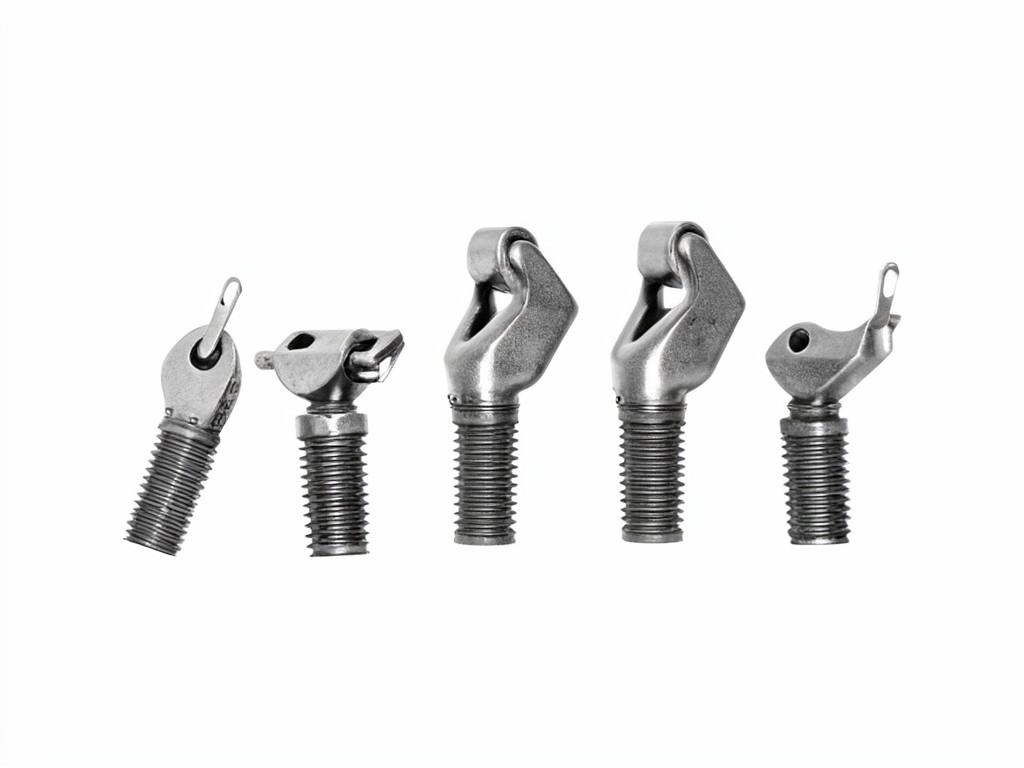
For tube, conduit and support installations, the swivel lets the clamp align to the mounting surface rather than forcing the U-bolt into position. That adjustment does not increase the assembly’s load rating. Specify the intended service and rated capacity where applicable; an unrated swivel clamp should not be treated as lifting hardware.
A low unit price can be offset by a few millimetres of opening drift, inconsistent thread engagement or a finish shade change between lots. Those differences complicate installation and trigger sorting or returns. For a second source, compare dimensional fit and swivel action against the same approved reference before comparing landed cost.
Construction Method and Its Effect on Consistency
Repeated fit complaints often trace back to forming variation or a swivel pivot that was assembled with uneven clearance. A typical construction route forms the U-bolt from steel rod, cuts or rolls the specified threads, then stamps or machines the swivel components and joins them with a pivot pin. Each operation needs its own controlled reference: bend geometry for fit, thread dimensions for nut engagement, and pivot clearance for movement.
Formed Steel With Protective Plating
A practical choice for general indoor or sheltered use where cost per assembly matters. Plating adds a corrosion barrier, but coverage at bends, threads and assembled interfaces needs review; colour variation may also appear across production lots.
Stainless Steel Construction
Consider this for damp or exposed service when the specified stainless grade suits the environment. Material cost and forming effort are higher; matching the U-bolt, pivot parts and fasteners reduces the risk of a mixed-material assembly with uneven appearance or corrosion behaviour.
For repeat orders, lock the drawing revision, material grade, finish and approved sample together. A change to rod diameter or bend tooling can affect opening width and part mass even when the nominal product description remains unchanged.
How to Choose Before Requesting a Quote
Start with the mating tube or support and the clearance available around it. State the tube outside diameter, required U-bolt opening, leg length, thread size and usable thread length; a nominal pipe description alone may not provide enough information to confirm fit. Add the swivel’s mounting interface and required range of movement.
- Send a dimensioned drawing or a physical sample, and identify which dimensions are fit-critical.
- Name the material and finish, then describe exposure to moisture, chemicals or outdoor conditions.
- Clarify whether nuts, washers or other mating parts must be included in the supply.
- For load-bearing use, provide the required rating and application details for engineering review; do not infer capacity from appearance or rod diameter.
Tooling amortisation decides whether a dedicated forming tool makes sense. Existing tooling can lower initial setup cost, while a new tool may be justified when the required geometry is stable and the order volume supports it. Ask the supplier to separate tooling charges, sample timing and production pricing so the second-source comparison includes the full changeover cost.
Buying Mistakes That Lead to Returns
Replacement rate, not unit price, is the useful cost measure when installers report nuts that bind, clamps that will not seat or swivel joints that arrive stiff. These issues often come from incomplete drawings, mixed hardware or uncontrolled revisions rather than a single obvious defect.
Cheaper stock options fail at the worst point in the season if the finish does not match the exposure or if a substitute dimension forces field modification. Avoid ordering by a broad catalogue name alone. Confirm the actual bend dimensions and thread details, and hold the first production lot to the same fit check used for sample approval.
Do not accept a drawing that leaves the swivel interface, pivot retention or finish unspecified. If the product is sold as an assembly, define which parts arrive assembled and which fasteners are packed separately. That detail prevents a technically similar but installation-incompatible replacement.
Customisation Options and Their Limits
Common order variables include U-bolt dimensions, thread specification, material, surface finish, swivel plate geometry and supplied hardware. Each change can affect tooling, assembly sequence or fit. Custom colour or coating also needs a sample approval step because visual appearance can vary with material preparation and batch conditions.
A formed-part change is usually simplest to control when the drawing defines a measurable datum and tolerance. Branding is generally more practical on the outer packaging or a label than on a small curved metal component, unless marking space and method have been reviewed in advance. Ask for a production sample after any change to material, tooling or finish.
Who Uses It and Where It Matters
Industrial hardware distributors and maintenance suppliers buy these assemblies for replacement stock where installers need a swivelling attachment for pipe, tube or conduit supports. Their priority is repeat fit across replenishment lots: a small change in opening or thread engagement can leave a stocked part unusable for the customer’s existing installation.
Retail buyers and facility purchasing teams may choose plated steel for sheltered indoor maintenance and stainless construction for specified wet or exposed environments. The right choice depends on the material grade, finish and service conditions, not simply the colour or the word “stainless” on a carton.
What Gets Checked Before Shipment
Inspection should follow the approved drawing and order-specific acceptance notes. Dimensional sampling covers the opening, leg length, thread and swivel interface; checks on part mass can flag forming or material drift between lots. A fit check with the nominated mating hardware catches thread or clearance problems that a visual inspection can miss.
For the assembled swivel, inspectors check articulation, pivot retention and visible damage. Finish inspection looks for bare areas, handling marks and batch-to-batch shade differences where appearance is specified. Agree sampling frequency and the disposition of nonconforming parts before production; no universal load or corrosion test should be assumed unless it is written into the order and appropriate to the design.
Export Packaging and Handling Protection
Metal parts can rub against one another in transit, marking a plated finish or creating a mixed appearance within a retail pack. Use separators, inner bags or compartmented cartons when finish protection and part presentation matter. Keep fasteners with their matching assemblies or identify them clearly if packed separately.
Confirm carton quantity, gross weight, label language, SKU and batch identification before the first export order. A lot code tied to the production record helps trace a fit complaint to its material, tooling and finish batch. For pallet shipments, specify carton orientation and stacking limits based on the packaging configuration rather than relying on loose-part cartons to protect exposed threads.
Request a Sample for Second-Source Approval
Send the drawing or current part, target order volume, finish requirement and inspection points. A pre-production sample gives your team a direct way to compare fit, swivel movement and finish against the part already in service before committing to a production lot.