


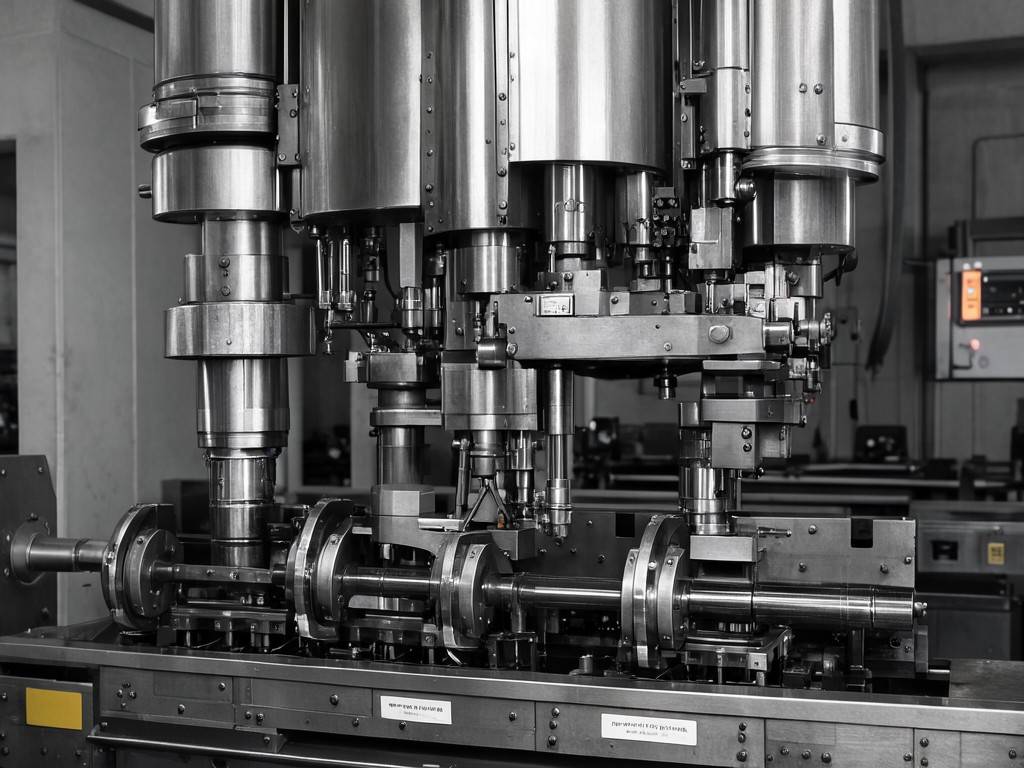
Factory price u bolt manufacturing machine supplier: What Buyers Should Check Before Ordering
The complaint that repeats across reorders is often not a dramatic machine failure. It is a gradual shift in leg length, bend position or thread fit that creates assembly problems in the buyer’s U-bolt orders. For importers, private-label buyers and OEM teams, a factory-price quote is useful only when it identifies the machine configuration, tooling scope and acceptance checks behind the quoted output.
How It Is Built and What That Changes
A U-bolt manufacturing line typically feeds round stock or wire through straightening and length control, cuts the blank, then forms the bend to the required inside width and radius. Threading may be handled by a separate rolling station or another specified process; confirm the proposed sequence rather than assuming thread rolling is included in the quoted machine.
Frame stiffness, feed control, cut-off alignment and the condition of the forming dies all affect repeatability. A machine set up for a narrow range of diameters may suit a repeat-volume order, while frequent size changes make changeover time, tooling access and setup documentation more important. Hydraulic and servo-controlled arrangements are not interchangeable by default; ask the supplier to match the drive and feed system to the stock form, material and production rate in your drawings.
A forming machine controls geometry; it does not make the finished U-bolt corrosion-resistant. Specify the bar or wire grade and downstream finish separately, then approve a sample made with the proposed material, tooling and process.
Matching the Product to the Buyer's Need
Start selection with the part drawing and the production mix, not a headline pieces-per-hour figure. Feed method, stock diameter, material strength, bend geometry and thread specification can change the required machine and tooling package. A quoted rate also needs a stated basis: material, operator count, product size and whether the figure includes loading, cutting, bending and threading.
- Send the largest and smallest U-bolt drawings in the intended range, including leg length, inside width, bend radius and thread length.
- Identify stock form and grade. Coil-fed wire and cut bar can require different feeding, straightening and handling arrangements.
- Ask which forming dies, thread tooling, setup aids and wear parts are included in the factory price, and list any excluded equipment.
- Agree on a sample run and dimensional inspection plan before shipment. Record the approved setup against the drawing revision for repeat orders.
For a repeat program, compare the quote by deliverable scope and setup support as well as machine price. A lower initial figure may exclude size-specific tooling or the thread-forming operation, costs that can affect the actual line investment.
Usage Scenarios and Buyer Segments
The right machine configuration depends on what the U-bolts must fit and the conditions they face after production. Use the recurring complaint as a specification check: the controls that protect dimensional consistency are different from the material and finishing choices that protect a part in outdoor service.
| Production or service condition | Complaint seen on repeat orders | Specification or process check |
|---|---|---|
| A fastener plant runs the same drawing across multiple batches. | Leg length or inside width drifts, so parts need sorting or do not fit the mating assembly. | Confirm feed length control, bend datum, die condition checks and the agreed dimensional inspection points. |
| A distributor supplies U-bolts for assemblies where nuts must run consistently onto both legs. | Thread fit varies between legs or batches, which can slow installation and prompt returns. | Specify thread form and length, confirm the threading equipment and tooling, and define the thread inspection method. |
| An OEM orders parts for agricultural, vehicle or other exposed outdoor assemblies. | Corrosion appears during storage or service and is attributed to the supplied fastener. | Select the material and downstream coating or surface treatment for the exposure; the forming machine alone does not set corrosion performance. |
| A private-label supplier changes sizes often to serve several customer drawings. | Setup scrap rises, and operators repeat adjustments after each changeover. | Review tooling change time, adjustment access, setup records and the range of sizes each supplied die set can cover. |
Fastener manufacturers with stable, high-volume schedules may prioritize cycle consistency and tooling life. Importers and OEM buyers with a broader part mix should also check how the supplier documents each setup, since a repeatable machine setting reduces the risk of dimensional drift after a reorder or operator change.
Packing, Marking and Freight Configuration
Long-distance shipment exposes the machine to vibration, moisture and handling impacts. Confirm the base and lifting points, export packing method, protection for exposed machined surfaces, and whether tooling and electrical components travel with the main unit or in separate marked cases. The packing list should identify the machine model, component descriptions, quantities and package references so the importer can check receipt without opening every crate.
Before dispatch, align the nameplate and shipping documents with the purchase order, and request photographs of the packed machine and accessory cases. Clarify who supplies any installation items, the required site utilities and the documents needed for commissioning. For the final freight plan, confirm crate dimensions and gross weights with the supplier rather than estimating from the machine footprint.
Care, Storage and Service Life
Metal scale, cut debris and lubricant residue can accelerate wear at feed surfaces and forming dies. Set a cleaning and lubrication routine from the machine manual, keep the work area clear of accumulated swarf, and inspect dies and feed components for wear before a dimensional shift reaches finished stock. Record maintenance and setup changes against the part or tooling reference.
For storage between production runs, protect exposed surfaces from moisture and follow the supplier’s instructions for electrical and hydraulic components. If the line operates in a humid, dusty or washdown area, confirm the enclosure and protection requirements before ordering; do not assume the machine is suited to direct water or cleaning-chemical exposure. Agree on recommended spare parts, troubleshooting support and warranty exclusions in writing.
For a quotation review, send the part drawings, stock material and grade, target production mix, destination port and requested delivery scope. Request a machine and tooling quotation with the included operations, acceptance checks, packing details and service terms itemized.