


Factory price u shaped screw clamp factory: Specification, Ordering and Quality Notes
Where Cheaper Alternatives Fall Short
Total cost of ownership shifts once returns are counted. A low unit price matters less when the U-clamp arrives with leg spacing that does not match the pipe, threads that bind against the nut, or a finish that corrodes before the next service interval.
Those faults often trace back to loose bend control, inconsistent rod diameter, or a coating process that does not suit the installation environment. Correcting them after assembly costs more than holding the pipe outside diameter, leg spacing, thread fit, and finish requirements at the factory.
For repeat orders, compare landed cost against the expected cost of sorting, replacement, and field service. Choose the lowest-cost specification only when it passes the same fit and finish checks as the approved sample.
How It Performs in Use
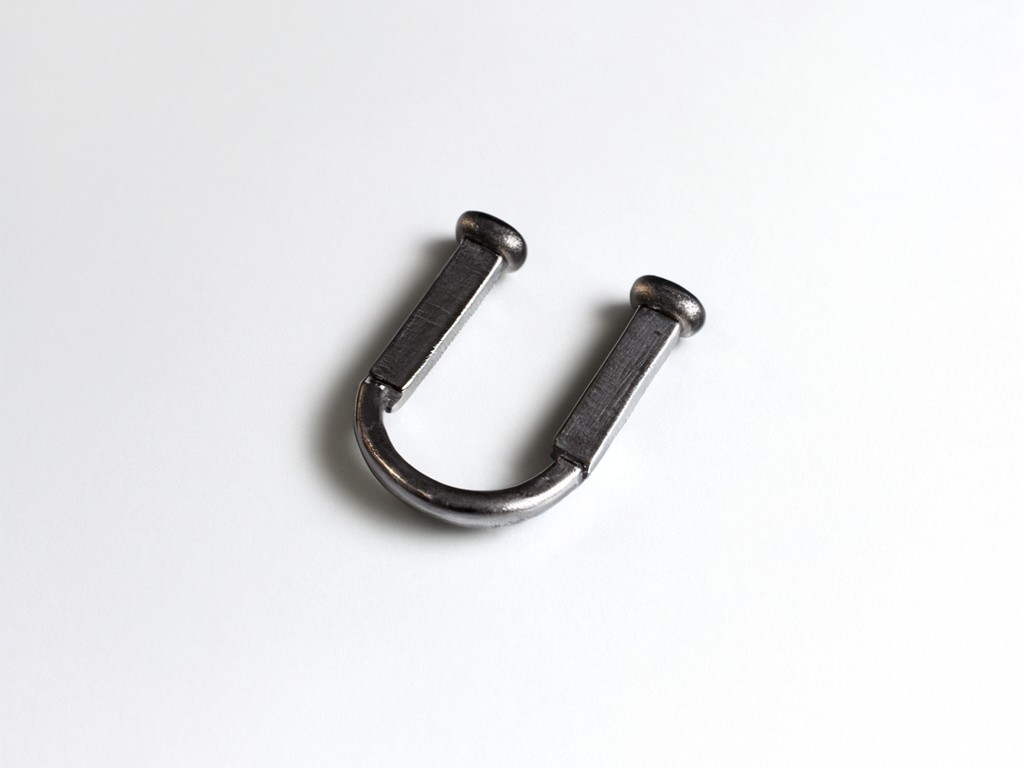
A U-shaped screw clamp holds pipe or conduit against a support as nuts draw the threaded legs into place. Correct fit depends on pipe outside diameter, leg spacing, rod section, and the mounting surface; excessive tightening can bend the legs or crush a thin-wall pipe.
Match the clamp to the actual pipe dimensions and expected service load, not just the nominal pipe description. Where installers need repeatable fit across multiple supports, keep the bend geometry and thread engagement consistent and specify an installation torque with the assembly owner.
Materials and Construction Trade-offs
Carbon Steel with Protective Coating
A practical choice for general indoor pipe and conduit support when purchase cost is the main constraint. Zinc plating or another agreed coating adds process cost; confirm the finish and exposure conditions before comparing prices.
Stainless Steel
A higher material-cost option for damp or corrosive service. Select the grade against the site environment and mating hardware; stainless steel does not remove the need to check thread compatibility or installation torque.
The usual process cuts rod to length, rolls the threads, forms the U-bend in a dedicated die, then deburrs and finishes the part. A dedicated bending tool can improve repeatability at volume, but its cost is harder to absorb on a small order. Standard diameters and bend dimensions usually offer a shorter setup path than a new tool profile.
| Reference item | Typical ordering range | Buyer check |
|---|---|---|
| Pipe outside diameter | About 12–100 mm for common fabricated sizes | Provide actual outside diameter and required clearance. |
| Rod diameter | Often about 4–10 mm, subject to load and geometry | Confirm against support design and nut specification. |
| Finished unit weight | Roughly 15–350 g across the ranges above | Treat as indicative; confirm from the approved drawing and material. |
Buying Mistakes That Lead to Returns
- Ordering by nominal pipe size alone can leave too little clearance or excessive movement. State the pipe outside diameter and the required inside width of the U-bend.
- A drawing that shows rod diameter but omits thread size, pitch, or usable thread length can produce clamps that do not assemble with the buyer’s nuts and supports.
- Comparing a coated carbon-steel quote with an uncoated sample creates a false price comparison. Record the substrate and finish in the purchase specification.
- Approving one sample without checking a production lot can miss drift in bend width or leg parallelism. Include dimensional checks in the repeat-order release plan.
Send a dimensioned drawing or a measured sample with the inquiry. Clear acceptance points reduce rework at the factory and help the importer compare bids on the same construction.
Segment-Specific Requirements
For plumbing and building-services distributors, the common requirement is quick installation across mixed pipe runs. Clear size identification, consistent nut fit, and carton separation by size help crews avoid field sorting.
OEM buyers supplying equipment frames or machinery should check vibration exposure, support thickness, and access for tools around the fastener. A clamp that fits a static sample may still be unsuitable if repeated movement loosens the assembly or if the support surface concentrates pressure on the pipe.
Importers serving outdoor or wash-down installations should specify the exposure and finish requirement before sampling. The coating or steel grade changes material cost, processing time, and the checks needed before shipment.
How Consistency Is Held Across Batches
Repeatability depends on fixed references: rod diameter, cut length, bend width, leg spacing, and thread dimensions. A controlled forming setup reduces variation, while batch records make it easier to trace a complaint to material, tooling, or finishing stage.
| Inspection point | Factory check | Why it matters |
|---|---|---|
| Critical dimensions | Measure bend width, leg spacing, and leg length against the drawing. | Confirms clearance and alignment at installation. |
| Thread fit | Check thread dimensions with the agreed gauge and assemble sample nuts. | Finds binding, damaged threads, or mismatched hardware before packing. |
| Finish and appearance | Review coverage, visible defects, and coating thickness where specified; use exposure testing only when agreed. | Checks finish against the approved sample and service environment. |
| Batch traceability | Retain lot and inspection records against the purchase order. | Supports investigation and containment if a repeat-order issue occurs. |
Tooling amortisation decides where a custom bend becomes economical. Higher order volume can spread the die and setup cost across more units; smaller releases may suit an existing size, though factory capacity and finish queues still affect lead time. Confirm sample approval, inspection scope, carton quantity, and reorder timing before placing the production order.
For a tooling review, send the drawing, annual volume estimate, target order quantity, material, finish, and required delivery window. Contact the factory team to review tooling and batch pricing before sample approval.