


factory price wedge anchor hollow block exporter - Bulk Supply and Specification Guide
What This Product Is and Where It Fits
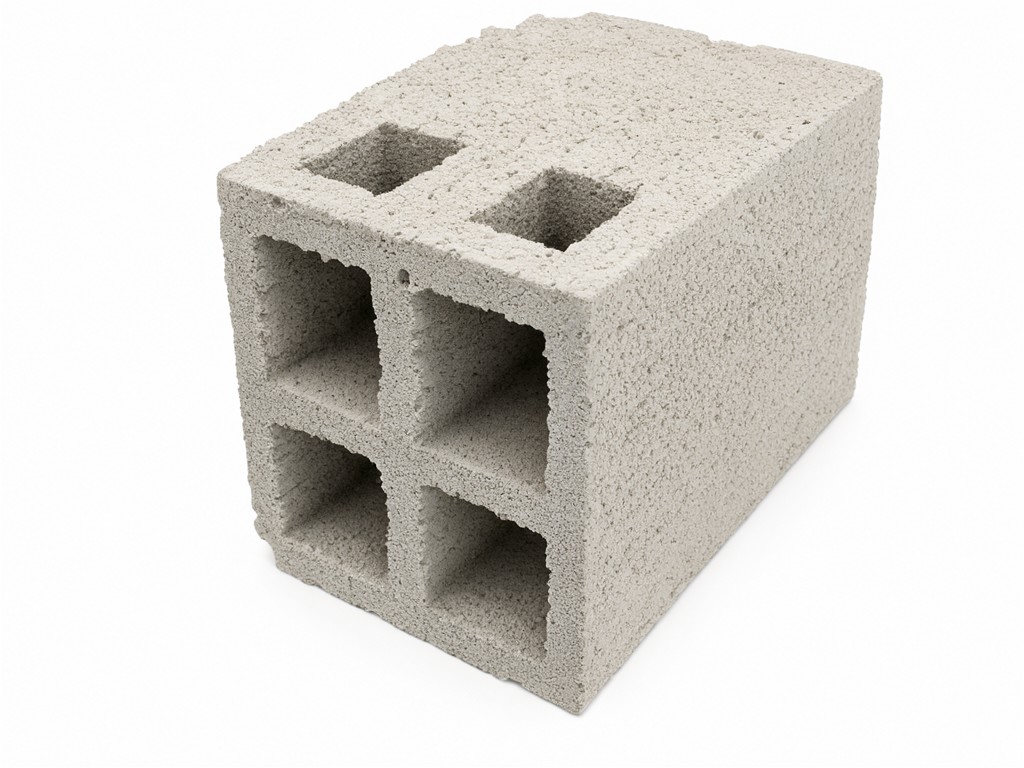
When a brand extends an existing range of fixings, the first question is whether the anchor matches the wall—not whether its price matches the previous item. A conventional wedge anchor expands against the sides of a drilled hole in solid concrete. Hollow concrete block has voids and thinner face shells, so that same expansion action may not provide a dependable fixing and can crack or crush the block.
For a hollow-block application, buyers generally need an anchor designed for hollow masonry, such as a sleeve-style or cavity-fixing design selected for the block geometry and load. A wedge anchor belongs in the range only for compatible solid concrete. Factory supply can cover either construction, but the label, installation instructions and order specification must distinguish them clearly.
Substrate rule: do not substitute a concrete wedge anchor for a hollow-block anchor based on similar diameter or appearance. Confirm the block type, face-shell thickness, fixture thickness and intended load before approving the sample.
How It Performs in Use
In solid concrete, a wedge anchor’s clip expands as the nut is tightened and bears against the drilled-hole wall. Holding performance depends on the specified hole diameter, embedment, concrete condition and installation torque. Dust left in the hole, shallow embedment or over-tightening can change the result; each installation instruction should match the exact anchor construction.
Hollow-block anchors work by a different load path. A sleeve may expand within a suitable part of the masonry, while a cavity fixing may spread behind a face shell. Block strength and void layout vary, so a load claim without a defined block and installation method is not a useful buying specification. For exposed installations, coating choice also affects service life: zinc plating suits many dry or sheltered locations, while more protective coatings or stainless steel may be needed where moisture exposure is persistent.
Measured Performance in Real Use
For repeat orders, process control starts with the dimensions that determine fit: shank diameter, overall length, thread form, expansion-component geometry and coating build. Cold heading, thread rolling, clip forming and heat treatment each affect a different part of the assembly. A change in steel grade, heat-treatment condition or coating route therefore needs review against the approved sample, not just the carton description.
| Construction route | Where it fits | Material and finish considerations | Checks to define for approval |
|---|---|---|---|
| Wedge anchor with expansion clip | Solid concrete with suitable hole geometry and embedment; not a default choice for hollow block. | Carbon steel with zinc plating is a common cost-conscious option for less corrosive conditions. Stainless steel raises material cost and can suit more corrosive exposure when the full assembly is specified accordingly. | Shank and thread dimensions, clip fit, coating coverage, nut and washer fit, and installation checks in the specified concrete. |
| Sleeve or cavity anchor for masonry | Hollow block only where the anchor design and installation suit the block’s face shell, void arrangement and intended load. | Steel grade and finish should reflect site exposure. A thicker protective coating may affect clearance and assembly fit, so confirm dimensions after finishing. | Expansion or cavity engagement, thread and sleeve dimensions, installation method, and sample testing in the nominated block type. |
Factory checks can include dimensional sampling, thread gauging, coating inspection and assembly fit. Where pull-out performance is part of the buyer’s requirement, define the substrate, hole preparation, embedment, installation method and test frequency before the production run. Results from one block type should not be carried over to a different masonry unit without review.
Buying Mistakes That Lead to Returns
Returns often start with a product name that combines two incompatible applications. If a carton calls a standard concrete wedge anchor a hollow-block fixing, installers may use it in a face shell that cannot take the expansion force. The result can be a loose fixture, cracked masonry or a disputed load claim.
- Approve by substrate and installation method, not by diameter alone.
- Keep anchor length, fixture thickness and required embedment aligned; a longer shank does not correct an unsuitable expansion mechanism.
- Check finished dimensions after coating. Coating buildup can affect thread engagement, sleeve movement or installation clearance.
- Set carton labels and instructions to distinguish concrete and hollow-masonry versions before artwork approval.
Requirements by Buyer Segment
Private-label buyers usually want to retain an existing package and product identifier while correcting a substrate mismatch. OEM buyers may prioritize repeatable dimensions and assembly fit across a family of lengths. Use this decision path before requesting a sample:
- Identify the base material.
- For solid concrete, continue with a wedge anchor specification and confirm hole size, embedment and installation torque.
- For hollow block, specify a masonry anchor design and provide the block type or a representative sample; do not approve a standard wedge anchor by substitution.
- Set the commercial priority.
- For an established private-label SKU, preserve the approved dimensions and finish unless a documented change is accepted.
- For an OEM range extension, align shared diameters, materials and packaging where the applications permit; avoid forcing one anchor construction across different substrates.
- Confirm artwork, unit pack, carton quantity and batch identification against the final construction before releasing production.
Volume Planning and Lead Time
Moving from sample orders to container loads changes both unit cost and production scheduling. At low quantities, setup, tooling preparation, inspection and packaging work are spread across fewer pieces. Once a stable repeat volume is established, those fixed costs can be amortized across more units, while bulk steel purchasing and longer production runs may improve the factory cost per piece.
The trade-off is commitment: larger runs tie up more inventory and may require earlier confirmation of finish, carton artwork and shipment split. Existing tooling and stocked raw material can shorten the route to production, but a new clip, sleeve or forming tool adds approval and setup time. Request a schedule after the factory has the approved drawing or sample, order quantity, finish, packaging specification and destination requirements.
Repeat Configuration
A running size and finish usually need less setup work. Keeping the approved drawing, inspection points and pack format unchanged makes reorder planning more direct.
New Tooling or Finish
A changed expansion component or coating route can require tool review, sample approval and fit checks. Include that work in the launch calendar instead of treating it as standard replenishment.
Stock Availability and Reorder Planning
Reorder continuity depends on more than nominal diameter. The clip or sleeve design, steel grade, finish, nut and washer combination, carton count and label revision all need to match the approved version. A change in any of these can alter installation fit or create mixed stock under one private-label code.
For repeat programs, retain the approved sample reference and revision-controlled drawing with the purchase specification. Ask the exporter to confirm which sizes and finishes are production-ready, which require a new run, and whether the order will ship as one batch or several. Batch identification on inner packs or cartons helps buyers separate receipts when stock is replenished over time.
Care, Storage and Service Life
Moisture, salt exposure and damaged coating can shorten the useful life of carbon-steel anchors, especially where the fixing remains exposed. Keep cartons dry, off the floor and protected from condensation during storage and transit. Separate finish variants so that installers do not mix components with different corrosion resistance or assembly dimensions.
At installation, use the specified drill diameter and hole depth, clear drilling dust where the instruction requires it, and tighten with the stated method. Do not reuse an expansion anchor that has been installed and removed unless the product design and supplier instructions explicitly permit it. For outdoor or corrosive service, select the material and finish for the actual exposure and check compatibility across the anchor, nut and washer.
Review the Tooling Before You Commit
Send the existing drawing or sample, intended substrate, target order volume, finish and private-label pack details for a tooling review. The factory can then confirm whether the requested item is a concrete wedge anchor or a hollow-masonry construction, identify any tooling changes, and quote the production route against the correct specification.