


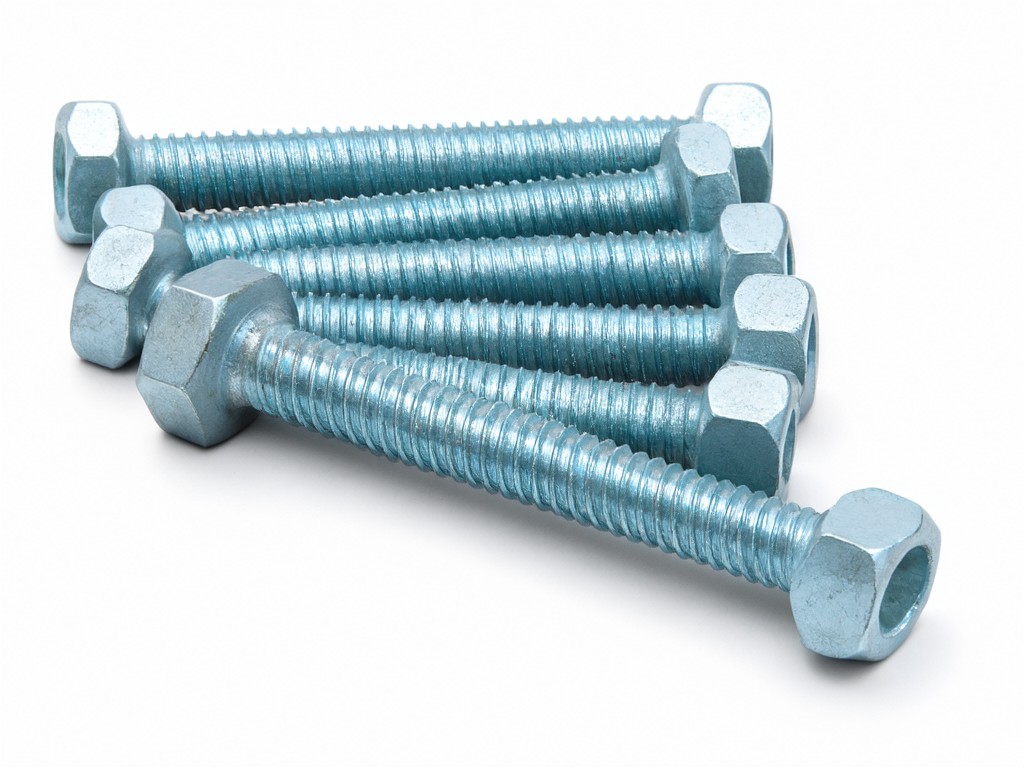
Unit price settles the question only after the buyer confirms the bolt’s steel grade, thread callout, length measurement and galvanizing process. For a 1/2 x 10 order, those details determine whether the bolt fits the joint and whether the next production lot matches the first.
OEM 1 2 x 10 galvanized hex bolt China Supplier: What Buyers Should Check Before Ordering
The Problem Buyers Keep Paying For
Before comparing quotations, confirm that every supplier is pricing the same bolt. “1/2 x 10” identifies a nominal diameter and length, but it does not define the thread series, steel grade, head dimensions, length-measurement convention or zinc coating method.
Small differences become expensive in bulk. A mixed length or thread specification can stop assembly; a change in coating appearance can trigger incoming disputes or retail complaints. Even when the nominal dimensions match, differences in head size, thread coverage and coating thickness can change how a wrench seats and how a matching nut starts. Record the approved sample and its full drawing or purchase specification before placing repeat orders.
How It Performs in Use
A hex bolt carries clamp load through its threaded portion and bearing load beneath the head. Its suitability depends on the steel grade, joint design, installation method and exposure conditions—not on the galvanized finish alone.
For outdoor assemblies, galvanizing provides a zinc barrier that slows corrosion when the coating remains intact. The trade-off is fit: a thicker coating can affect thread engagement and nut fit, so specify the intended coating and a compatible nut together. Buyers should not assign a load rating from diameter and length alone; the required mechanical properties and joint calculation must be defined for the application.
Material Options and Their Trade-offs
Steel grade and surface treatment are separate choices. The grade governs the bolt’s mechanical properties; galvanizing addresses corrosion exposure. Specify both rather than treating “galvanized” as a complete material description.
Hot-dip galvanized: A practical choice where outdoor exposure and corrosion protection take priority. The coating is generally thicker than an electroplated zinc finish, so thread fit and compatible nuts require agreement before production.
Electrogalvanized: A thinner zinc coating can suit less demanding exposure and applications where a smoother, more uniform appearance matters. It does not provide the same coating build as hot-dip galvanizing, so do not substitute it without buyer approval.
The lower-cost option is not automatically the lower-cost order. A finish that does not suit the service environment may lead to early replacement, while an unnecessarily heavy coating can add cost and create assembly-fit concerns.
Size, Weight and Specification Range
Treat 1/2 x 10 as a starting point, not a complete order description. State whether the 10-inch length is measured from beneath the head to the end, and identify the thread series, thread length, head dimensions and any unthreaded grip requirement. If the bolt must match an existing assembly, use the approved drawing or physical sample to settle those details.
| Usage profile | Specification focus | Buyer’s cost consideration |
|---|---|---|
| Outdoor, relatively static assemblies | Confirm steel grade, hot-dip finish, thread fit and a compatible galvanized nut. | A suitable coating may cost more upfront but can reduce replacement frequency in the stated exposure. |
| Indoor or sheltered assemblies with frequent installation | Prioritise repeatable head dimensions, defined thread series and the specified zinc finish. | A lighter finish may be economical where exposure permits; unapproved substitution can create fit and appearance variation. |
| Replacement orders for an established product | Match the retained sample, drawing revision, coating and packaging identification. | Stable specifications limit assembly interruptions, buyer returns and the cost of sorting mixed lots. |
Bolt weight is not a fixed value from the size callout alone. Head geometry, thread length, steel grade and coating all affect the finished piece. If weight per piece or carton matters for freight or resale, add an agreed target and tolerance to the specification instead of relying on a catalogue estimate.
Assumptions Buyers Should Stop Making
A nominal half-inch diameter does not tell the supplier whether the thread is coarse or fine. Nor does “galvanized” tell them whether the buyer expects hot-dip or electroplated zinc. These are specification choices, not details a factory should infer from the product name.
Do not assume that equal dimensions guarantee equal weight, appearance or assembly feel across production lots. Changes to the head, thread coverage or coating can shift those characteristics. For reorders, keep the approved specification, sample and revision reference together; a verbal description alone leaves room for costly interpretation.
Working as a Production Partner, Not a Catalogue Supplier
For OEM supply, the useful starting point is the buyer’s controlled specification: drawing, sample, thread details, steel grade, finish, nut compatibility and packaging requirements. That gives the factory a reference for repeat production and helps prevent gradual changes in length, head profile, piece weight or coating appearance from passing unnoticed between orders.
Private-label requirements can be handled without redesigning the bolt. Share the brand artwork, carton or bag format, quantity per pack and required identification marks for review before order confirmation. Packaging choices affect counting, handling and freight volume, so settle them with the product specification rather than after production is underway.
Care, Storage and Service Life
Store cartons in a dry, covered area and keep them off damp floors. Trapped moisture and damage to the zinc layer can contribute to corrosion during storage, before the bolt reaches its final application. Avoid mixing open cartons from different lots when finish appearance and repeat fit matter to the buyer.
Service life depends on the environment, coating condition, joint design and installation practice. Use compatible hardware and avoid treating the coating as a substitute for correct tightening or corrosion planning. For an OEM order, provide the drawing, reference sample and packaging or branding requirements for an artwork and specification review before confirming production.